Coven
A coven traditionally refers to a group of people who engage in spiritual, magical, or ritual practices together. The term originated in the English-speaking world and is particularly closely associated with witchcraft traditions, folk beliefs, and modern witch culture. However, in contemporary usage, its meaning extends far beyond historical notions and also finds its place in modern spirituality, subculture, and Gothic aesthetics.
Origin and historical significance
The word "coven" derives from the Old French " covent" or "convent ," meaning gathering or assembly. In medieval Europe, the term was primarily used in connection with witch hunts. A coven was considered a secret society of witches who performed rituals together. This portrayal was heavily influenced by fear, superstition, and church propaganda, leading to a negative connotation of the term.
Historically, it is documented that many of the alleged covens were actually social or spiritual associations operating outside of church control. The idea of the malevolent witches' circle largely originated from the Inquisition and popular myths.
The coven in modern spirituality
Today, the term coven is primarily used in modern pagan and spiritual movements, such as Wicca, Neopaganism, or occult traditions. A coven is a voluntary community that shares common values, rituals, and spiritual goals.
A modern coven can be structured in many different ways. Some groups meet regularly for established rituals, while others collaborate loosely or only on specific occasions. Often, a connection to nature, personal development, and symbolic rituals are central.
Structure and organization of a coven
The structure of a coven varies greatly. Some follow clear role models, such as a leader or ritual leader, while others are deliberately organized on an egalitarian basis. What they usually have in common is a focus on trust, respect, and collaborative learning.
Typical activities of a coven can include:
- Shared rituals for the festivals of the Wheel of the Year
- Meditation and symbolic actions
- Study of spiritual texts and traditions
- Sharing personal experiences
A coven is less a formal organization than a spiritual community.
Symbolism and cultural significance
The coven symbolizes unity, secret knowledge, and collective strength. In art, literature, and popular culture, it is frequently depicted as a place of power, knowledge, and transformation. This symbolism has made the term particularly attractive in alternative subcultures.
In Gothic and Dark culture, the coven often represents rebellion against norms, self-determination, and a conscious turn towards darker, mystical themes. It stands for community beyond societal conventions and for the acceptance of individual identity.
The coven in modern pop culture and dark fashion
TV series, films, and music have reshaped the image of the coven. Instead of fear and threat, empowerment, aesthetics, and individuality are often emphasized today. This reevaluation is also reflected in fashion.
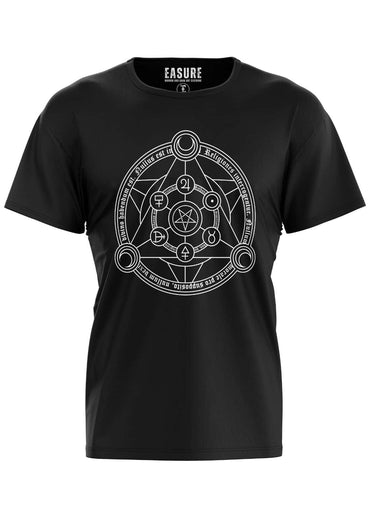
In dark fashion, the coven is used as a stylistic motif, for example through symbols, lettering, or designs that express community, magic, and mysticism. Clothing and accessories with coven references are an expression of belonging, attitude, and personal conviction.
Meaning in today's context
Today, the coven stands less for literal magic and more for cohesion, self-discovery, and collective identity. It symbolizes the desire for community in an individualized world and a return to rituals and meaning.
The term coven has thus transformed from a fear-laden myth into a positive symbol of community, spirituality and self-empowerment – especially within alternative and gothic-influenced lifestyles.