


Wiki
Gothic Fashion Styles
Gothic Fashion Styles
Gothic Music Genres
Ingredients
Printing processes in textile printing
Materials science
Manufacturing process


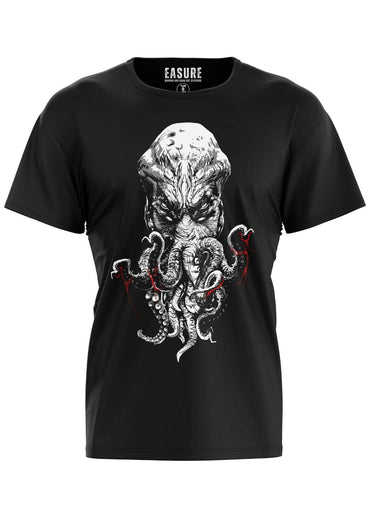

Immortal Cthulhu - Shirt
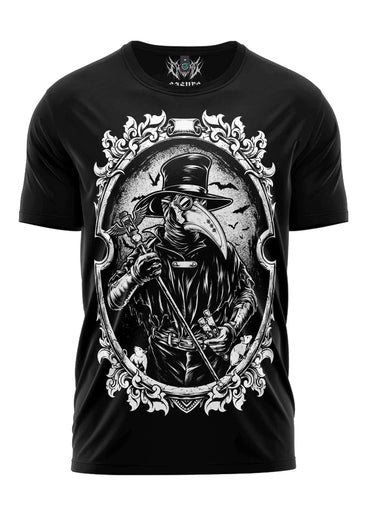


The Demon's Influence - Shirt

Skull Sphinx - Girls' Shirt
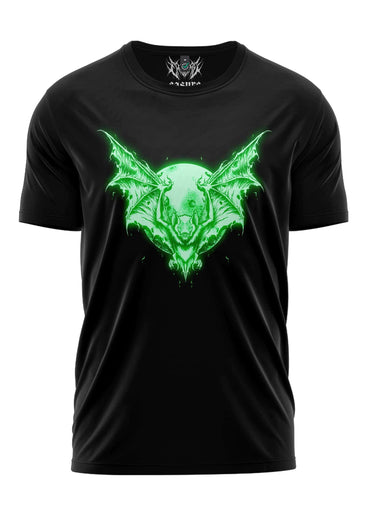

Night Stalker / Glow in the dark - Shirt
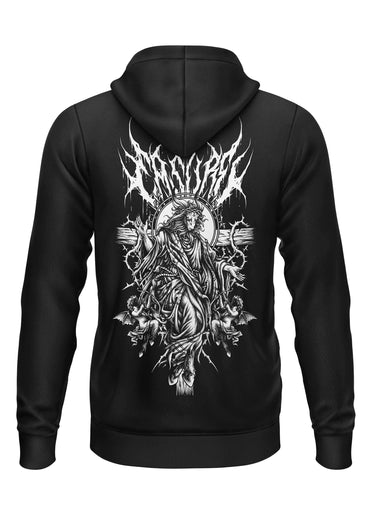


Dead Bride - Girlie Shirt
Wikipedia
What is Gothic Fashion, really?
Gothic fashion is much more than black clothing. It is a cultural, aesthetic, and philosophical system of symbolism, materials, forms, and emotions. Every fabric, every rivet, every symbol tells a story: of rebellion, mysticism, romance, occultism, and self-determination.
This Wiki explains to you:
- Which materials are used in Gothic clothing
- What symbols mean
- Why certain fabrics, cuts, and textures are so important
- How Dark Fashion differs from normal fashion
1. Material Science – The Soul of Gothic Fashion
Material in the Gothic world is never chosen at random. Every material carries emotional, aesthetic, and symbolic meaning.
Cotton & Viscose
These materials form the basis of many Gothic shirts, dresses, and underwear.
Characteristics:
- Soft
- Skin-friendly
- Breathable
- Matte to slightly shiny
Why Gothic loves these fabrics:
Cotton and viscose make black appear deep and velvety. No artificial shine, but a dark, genuine black.
In Gothic aesthetics, this type of fabric stands for:
Humanity, vulnerability, closeness to the skin
Lace & Mesh Fabrics
Mesh, lace, and transparent fabrics are iconic in Gothic fashion.
Meaning:
These fabrics symbolize:
- Decay
- Fragility
- Eroticism
- Transition between life and death
A mesh fabric shows skin – but never completely. This very tension between visibility and mystery is typical of Gothic.
Faux Leather & PVC
These materials stand for:
- Dominance
- Rebellion
- Fetish aesthetics
- Industrial Gothic
They are smooth, cold, shiny – and precisely for that reason popular.
In Gothic fashion, faux leather represents:
Power, control, and the dark side of sexuality
Metal – Chains, Rivets & Jewelry
In Gothic products, you often find:
- Zinc alloys
- Brass
- Stainless steel
- Copper
These metals oxidize easily or are intentionally coated dark.
Symbolically, metal stands for:
- Immortality
- Pain
- Armor
- Protection from the world
A choker is not jewelry – it is a ritual object.
2. Texture of Gothic Clothing
Gothic clothing differs from mainstream fashion in three important ways:
Texture over Color
In normal fashion, color matters.
In Gothic, surface matters:
- matte
- shiny
- rough
- smooth
- transparent
A black lace dress and a black latex top are emotionally completely different – even though they are the same color.
Movement & Drape
Gothic fabrics are chosen to:
- flow
- drape
- envelop the body
Long coats, skirts, capes, and mesh garments create:
the feeling of shadows, fog, and darkness
Durability
Gothic clothing is often heavier, denser, and more robust than fast fashion.
Why?
Because it is:
- for clubs
- concerts
- festivals
- rituals
- nights
made for.
3. Symbolism in Gothic Fashion
Symbols are the heart of the Gothic world.
Crosses
The cross is not a Christian symbol in the Gothic scene, but stands for:
- Death
- Transcendence
- Spiritual conflict
An inverted cross stands for:
Rejection of dogmatic religion
Pentagrams
The pentagram stands for:
- Elements
- Protection
- Occult balance
In Gothic, it means:
Knowledge beyond the visible world
Bats
Symbolize:
- Night
- Transformation
- Rebirth
- Vampires
Skulls
Not a glorification of death, but:
Acceptance of mortality
Death in Gothic is not a taboo, but part of beauty.
Moths, Spiders & Beetles
These animals stand for:
- Night
- Decay
- Transience
- Dark beauty
Moths, in particular, symbolize:
The pursuit of light – even if it destroys
4. Why Gothic Products are Made Differently
Gothic products are:
- thicker
- darker
- more structured
Many details like:
- embroidery
- embossments
- metal parts
- special prints
make them more expensive – but also more durable.
5. Dark Fashion as Identity
Gothic is not a trend.
It is:
- an attitude
- a culture
- a shield
Clothing here is not an outfit – but armor against the world.