Doom Explained – Meaning in Gothic & Dark Culture | Glossary
Doom
The term doom represents downfall, fate, inevitable end, or existential threat. In Gothic and dark culture, however, doom is far more than a purely negative concept. It describes an aesthetic and emotional exploration of transience, mortality, and the dark side of human existence. Doom is not a sudden horror, but a slow, oppressive state—an atmosphere of melancholy, hopelessness, and inner depth.
Origin of the term
The word doom comes from the Old English word dōm , which originally meant judgment, law, or fate. Only over time did its meaning shift to condemnation, ruin, and death. This dual meaning—fate and judgment—continues to shape the term today. Doom does not imply chaos, but rather an inescapable order from which no one can escape.
Doom in Music and Subculture
Doom is particularly well-known in connection with doom metal , a subgenre of heavy metal characterized by slow tempos, heavy guitar riffs, and dark soundscapes. The music is oppressive, almost hypnotic, and conveys feelings of hopelessness, loss, and existential emptiness.
Furthermore, doom also influences other genres such as darkwave, gothic rock, and ambient. Here, the focus is less on aggression and more on the feeling of slow decay. Doom is about consciously dwelling in the shadows, not fighting against them.
Philosophical significance
On a deeper level, Doom deals with the acceptance of endings. Instead of suppressing death and failure, Doom places these themes at the forefront. It's about the awareness that everything is transient – relationships, bodies, identities, civilizations.
In dark culture, doom is often understood as a state of honesty. While the mainstream promotes optimism and progress, doom allows for a confrontation with fear, grief, and meaninglessness. This honesty makes doom liberating for many people.
Doom in Gothic aesthetics
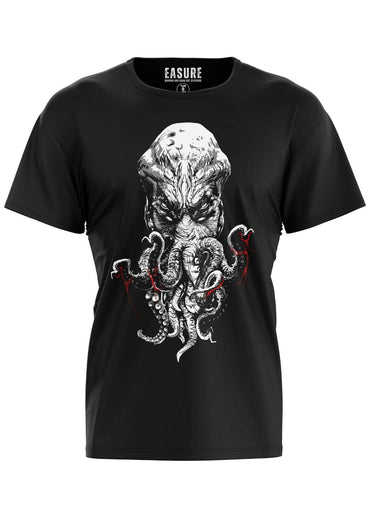
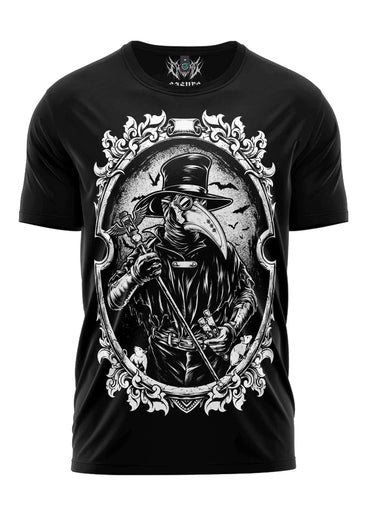
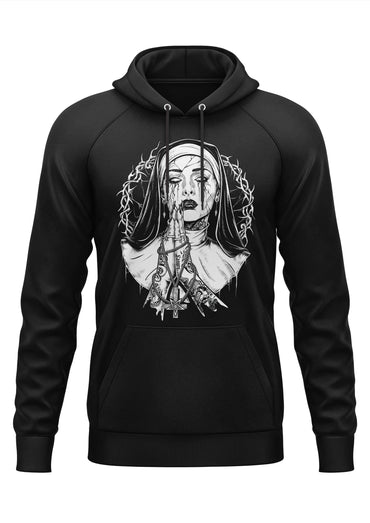
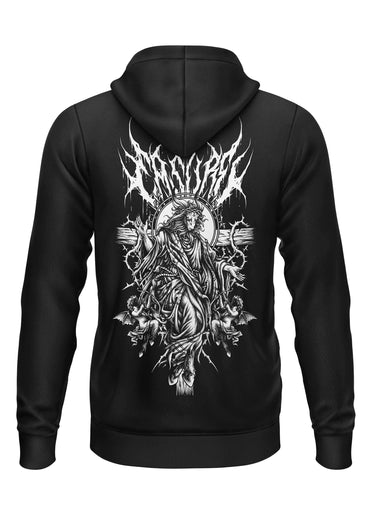
Visually, Doom manifests itself in dark, heavy designs. Colors like black, gray, washed-out red, or dark purple dominate. Materials appear robust, raw, or deliberately aged. Motifs such as skulls, ruins, empty landscapes, crosses, or decaying architecture reflect the idea of decline.
In fashion, doom manifests itself through long silhouettes, flowing fabrics, heavy boots, and minimalist cuts. It's not about provocation, but about expressing inner states. Clothing becomes a mirror to a dark, yet controlled, inner life.
Doom as an emotional state
Doom often describes a feeling of inner stagnation. Hope is almost nonexistent, yet therein lies its power. Instead of constantly searching for meaning, doom accepts its absence. Paradoxically, this acceptance can generate peace and clarity.
Many people are drawn to Doom because it allows them to embrace weakness, exhaustion, and doubt. Doom doesn't romanticize these feelings but views them as a natural part of being human.
Doom in modern dark culture
Today, doom is an integral part of the dark and gothic scene. In art, fashion, music, and design, doom stands for depth rather than superficiality. Especially in a world of constant self-optimization, doom acts as a counterpoint – slowed down, heavy, and uncompromisingly honest.
Doom is not an escape, but a conscious confrontation with the inevitable. It calls for understanding the end, not fearing it.
Symbolic meaning
Doom symbolically represents the awareness of the finiteness of all things. It serves as a reminder that identity, power, and beauty are transient. In dark culture, doom is therefore understood not as defeat, but as truth. Those who accept doom live more consciously, intensely, and authentically.
Doom is therefore not a state of giving up, but a silent act of realization.