Doom Metal Explained – History, Characteristics & Terminology
Doom Metal – Glossary, Meaning and Explanation
What is Doom Metal?
Doom metal is a subgenre of heavy metal characterized by extremely slow tempos, heavy guitar riffs, and a dark, often melancholic atmosphere. The focus is not on speed or technical virtuosity, but rather on heaviness, repetition, and emotional depth. Doom metal deliberately creates an oppressive and intense experience and is aimed at listeners who understand music not as entertainment, but as an expression of existential moods.
In doom metal, sound is perceived as weight. Riffs unfold slowly, chords are held for extended periods, and pauses are just as important as the notes played. The genre thrives on tension, anticipation, and emotional intensity.
Origin and history of Doom Metal
The origins of doom metal lie in the early days of heavy metal. As early as the 1970s, songs with slower tempos and a darker atmosphere emerged, which would later be considered style-defining. In the 1980s, this developed into an independent genre that consciously distinguished itself from faster metal.
Doom metal emerged as a counter-movement to speed, aggression, and technical overload. Instead, it focused on atmosphere, repetition, and emotional weight. Since then, doom metal has spread worldwide and spawned numerous subgenres.
Typical musical characteristics
Doom metal is easily recognizable by its musical characteristics. These include, above all, very slow to slow tempos, downtuned guitars with heavy distortion, and monotonous, repetitive riffs. The bass plays a central role and reinforces the heaviness of the sound, while the drums are usually used sparingly and with restraint.
The vocals vary greatly. They can be plaintive and melodic, but also deep, raw, or distorted. Often, the voice is used more as an additional instrument than as the dominant element.
Lyrical themes in doom metal
Doom metal lyrics deal with dark, serious, and often philosophical themes. Frequent motifs include transience, death, loneliness, suffering, and hopelessness. Religious, occult, or mythological content also plays an important role.
Doom metal lyrics are rarely straightforward. Instead, they employ metaphors, symbolism, and slow narrative structures. The lyrics complement the music and amplify its oppressive effect.
Important subgenres of doom metal
Traditional Doom
Traditional doom is strongly oriented towards the early roots of the genre. Clean vocals, heavy riffs, and a classic song structure are paramount. This form is considered the original doom metal.
Death Doom
Death Doom combines doom metal with elements of death metal. Very slow riffs meet deep growls and a particularly dark, sometimes nihilistic atmosphere.
Funeral Doom
Funeral doom is one of the most extreme forms of the genre. The songs are very long, the tempo extremely slow, and the atmosphere characterized by grief, apocalypse, and emptiness. This music often has a meditative and ritualistic quality.
Stoner Doom
Stoner doom combines doom metal with psychedelic and rock elements. The sound is warm, distorted, and hypnotic. Repetition and groove play a more prominent role.
Sludge Doom
Sludge doom is raw, aggressive, and dirty. It combines doom metal with hardcore and punk influences. The sound is deliberately crude and unpolished.
Aesthetics and Culture
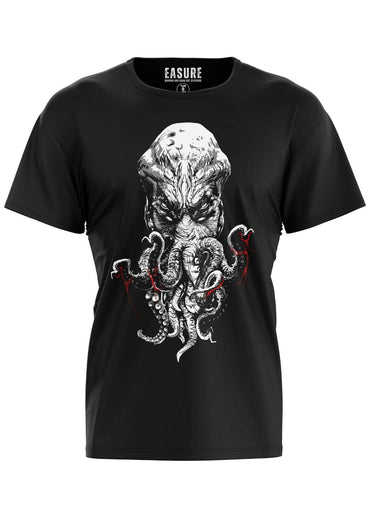
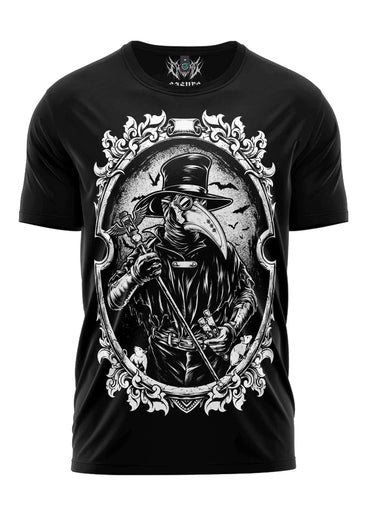
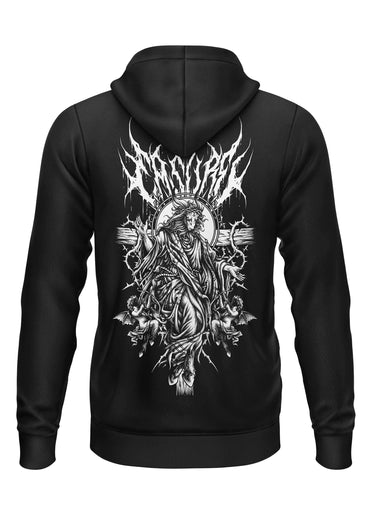
Doom metal is not just a musical style, but also an aesthetic and cultural attitude. Artwork, logos, and visual design often address themes such as decay, occultism, the cosmos, death, or religious symbolism.
The scene places great emphasis on authenticity and a rejection of the mainstream. Doom metal is aimed at people who consciously confront difficult themes and seek emotional depth.
Doom Metal today
Today, doom metal exists in many forms and variations. Modern bands combine classic doom elements with influences from ambient, noise, or experimental music. Despite all the evolution, the core remains the same: slowness, weight, and emotional intensity.
Summary
Doom metal is a subgenre of metal characterized by slow tempos, heavy soundscapes, and dark themes. It stands for emotional depth, existential themes, and deliberate reduction. Doom metal is not music for casual consumption, but rather for intense engagement and inner reflection.