Origin of Metal
Share
Metal. For many outsiders, it's just "noise," but for you it's probably your soundtrack, your identity, and your outlet. In this guide, you'll delve deep into the origins of metal – from the first distorted guitars to the most extreme subgenres that dominate clubs, festivals, and playlists today.
What does "metal" actually mean – music, material, or feeling?
If you Google "metal," you'll often find results about the material metal . "Metal" in German actually means metal – chemical element, material, shiny surface. In our context, however, we're talking about heavy metal music , or simply metal music.
Metal here stands for:
- a genre of music based on loud guitars, strong rhythms and clearly recognizable riffs
- a subculture that consciously distances itself from the mainstream
- an aesthetic that ranges from leather and studs to corpse paint or dark fashion
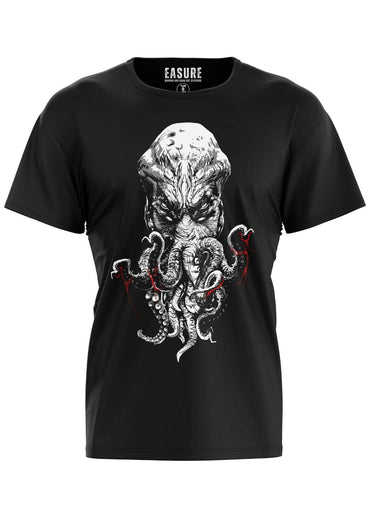
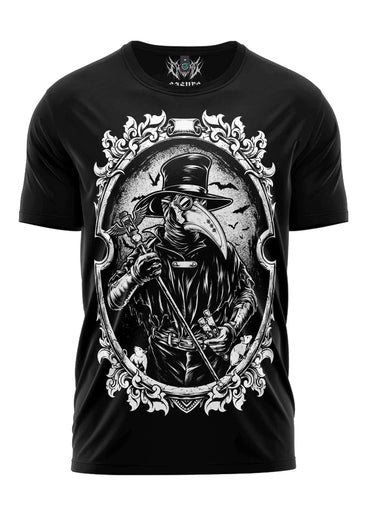
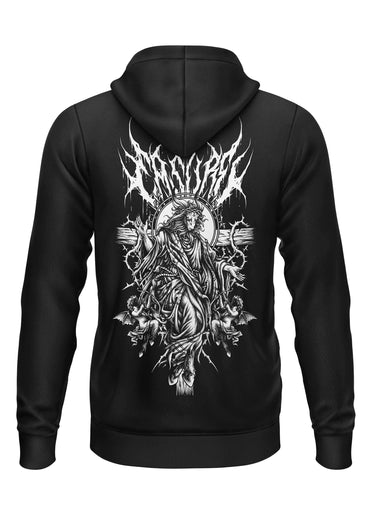
If you're familiar with EASURE, you know the range: from classic heavy metal shirts to black metal-inspired dark art designs . Metal isn't a fad – it's a global cultural phenomenon that has evolved over decades.
Before metal: Blues, rock 'n' roll and British hard rock
Before it was called metal, there was blues . Black musicians in the USA laid the foundation at the beginning of the 20th century: pentatonic scales, call and response, raw emotion. From this, rock 'n' roll developed – Elvis Presley, Chuck Berry, Little Richard.
In the 1960s, this energy exploded in British and American rock bands . Three main strands were crucial for the emergence of metal:
- Blues Rock – such as Cream, The Jimi Hendrix Experience, Led Zeppelin
- Hard Rock – Deep Purple, Uriah Heep, later AC/DC
- Psychedelic and garage rock – more distorted, more aggressive, wilder
Key ingredients that later shaped metal:
- loud, distorted guitars
- Power chords (simplified chords that sound hard and focused)
- distorted bass lines that blend with the guitar
- Drum set with emphasis on bass drum and snare
- Texts about rebellion, freedom, existential themes
The birth of heavy metal: late 1960s, early 1970s
Black Sabbath, Deep Purple, Led Zeppelin – the forefathers
Most historians of metal music place the birth of heavy metal between 1968 and 1970. Three bands stand out:
- Black Sabbath (Birmingham)
- Deep Purple (UK)
- Led Zeppelin (UK)
Black Sabbath are considered the epitome of early metal. Their music:
- extremely deep, threatening reefs
- slow, heavy grooves
- Texts about occultism, war, and societal fear
The iconic riff of the song "Black Sabbath" uses a so-called tritone – an interval considered "diabolus in musica" in church mode theory. This "devilish" interval, combined with bells, rain, thunder, and cover art full of darkness, defined a new sonic language: heaviness, darkness, threat .
Deep Purple and Led Zeppelin focused on different priorities:
- Deep Purple: faster songs, virtuosity, organ-guitar duels
- Led Zeppelin: Blues-based, mystical, with distinct folk and hard rock elements.
Together, these bands formed the foundation from which what people later called heavy metal developed.
Key characteristics of early metal
From the early 1970s onwards, typical building blocks emerged:
- Guitar sound: heavily distorted, often with wah-wah or overdrive.
- Riffs: recognizable, edgy motifs instead of just chord accompaniment
- Rhythm: from slow doom grooves to fast uptempo numbers
- Vocals: assertive, often with a high vocal range (Ian Gillan, Robert Plant, later Rob Halford)
- Themes: War, death, religion, occultism, power, rebellion
The 1970s: Heavy Metal becomes its own scene
From hard rock to heavy metal
The term " heavy metal" gradually took shape in the 1970s. Music journalists initially used "heavy metal" pejoratively to describe particularly loud rock bands. Fans adopted the term, transformed it into a label of identity , and embraced it with pride.
Key developments:
- Black Sabbath release album after album, solidifying their dark, "doomy" sound.
- From the mid-70s onwards, Judas Priest brought a clearer, faster metal profile with twin-string guitars and a distinctive leather and studs look.
- Kiss, Scorpions, Rainbow, Motörhead each bring their own facets to metal, from theatrical hard rock to proto-thrash.
During this phase, metal increasingly separates from classic rock:
- more focus on riff and heaviness
- independent metal culture with fanzines, special clubs, and later its own festivals.
- First visual codes : leather jackets, patches, band shirts, long hair
If you've ever been to a metal festival (which we compare in our article Metal Festivals Compared ), you'll know these codes – they still work today.
Judas Priest and the look of metal
Judas Priest, in particular, shaped the visual metal style:
- Rivets, leather, chains
- Motorcycle aesthetics
- Stage outfits as conscious armor
The New Wave of British Heavy Metal (NWOBHM) – early 1980s
In the late 1970s and early 1980s, a new generation of bands exploded in Great Britain: the New Wave of British Heavy Metal (NWOBHM). This gave rise to what many perceive as the "classic" metal sound.
Typical characteristics of the NWOBHM
- faster songs , fueled by punk energy
- emphasized twin guitar leads (two-part guitar riffs)
- Hymnal choruses, often with sing-along potential
- Texts about fantasy, history, war, mysticism
Important bands:
- Iron Maiden
- Saxon
- Def Leppard (at the intersection of hard rock and AOR)
- Angel Witch
- Diamond Head
Iron Maiden became the spearhead. Albums like "The Number of the Beast" and the iconic mascot Eddie shaped generations of fans, cover artists, and T-shirt designers.
Metal as youth culture
With the NWOBHM, metal finally established itself as its own youth culture :
- Metal fans identify themselves through bands, patches, backpatches, buttons.
- Concerts become rituals where headbanging, fistbanging, and singing along are standard.
- The first open-air festivals with a clear metal focus are emerging.
At this point, it becomes clear: Metal is more than music – Metal is a lifestyle .
The birth of the major metal genres: Thrash, Glam, Power Metal
Thrash Metal – Aggression and Speed
Thrash metal developed in the USA in the early to mid-1980s, especially in California and the Bay Area , but also in New York and later in Germany.
Features:
- extremely fast speeds
- aggressive, sometimes screamed vocals
- politically and socially critical texts
- Riffs with a strong punk influence
Main bands:
- Metallica
- Slayer
- Megadeth
- Anthrax
These Big Four made thrash metal accessible to the masses without completely losing its intensity. The evolution continues to this day – the most recent example being Kreator's new album "Krushers of the World," released in 2026 as a thrash metal slab with modern production.
Glam Metal / Hair Metal – Excess, Hooks and MTV
At the same time, a completely different approach to metal is emerging, especially in Los Angeles : Glam Metal or Hair Metal.
Features:
- catchy choruses
- strong emphasis on hooks and melodies
- glittering stage outfits, make-up, high entertainment factor
- Songs about love, sex, excess, partying
Bands like Mötley Crüe, Poison, and Ratt fill arenas. MTV plays their videos on a constant loop. From the perspective of the underground community, this often seems too polished – a conflict that continues to divide the metal scene into "authentic" versus "commercial" to this day.
Power Metal – epic anthems and fantasy worlds
Power metal became firmly established in the late 80s and early 90s, especially in Europe.
Features:
- high, clear vocals
- fast double bass drums
- Guitar leads with classical melodies
- Fantasy, medieval or sci-fi themes
Helloween, Blind Guardian, and later HammerFall, Stratovarius, and Sabaton represent this genre. Its popularity remains strong – new albums like Beyond the Black's "Break the Silence" combine power metal and symphonic elements , with modern production and optimized for large stages.
Extreme Metal: Death, Black and the dark offshoots
Metal wouldn't be metal if it couldn't always be pushed further. From the late 80s onwards, bands pushed sound and lyrics beyond previous boundaries.
Death Metal – Brutality, Technique and Taboo Breaking
Death metal evolved from thrash, hardcore, and experimental extreme approaches. Key characteristics:
- Growls and grunts instead of clear singing
- lower-tuned guitars
- complex riffs and tempo changes
- Drastic texts about death, violence, society, horror
Early pioneers: Death, Possessed, Morbid Angel, Obituary. Later emerged:
- Melodic Death Metal (At the Gates, In Flames, Dark Tranquility)
- Technical Death Metal (Necrophagist, Archspire)
Black Metal – Coldness, Spirituality, Radicalism
Black Metal emerged alongside Death Metal, but with a different focus:
- raw, often "lo-fi" produced sound
- shrill, snarling vocals
- Tremolo picking on guitars
- atmospheric, repetitive structures
The first wave (Venom, Bathory, Hellhammer/Celtic Frost) laid the foundation. The second wave in Norway (Mayhem, Darkthrone, Burzum, Emperor) radicalized the sound and ideology, often linked to scandals and crimes.
The content is about:
- Satanism, Anti-Christianity
- Nature and Pagan Spirituality
- Nihilism or misanthropic worldviews
Aesthetically, black metal is strongly linked to gothic, darkwear, and occult symbolism . Corpse paint, inversion of Christian symbols, Baphomet, pentagrams – all of these appear in fashion, jewelry, tattoos, and dark art designs .
Extreme Metal today
Current extreme metal bands combine:
- symphonic arrangements
- electronics
- progressive song structures
Cradle of Filth, for example, released "The Screaming of the Valkyries" in 2025, an album that combines extreme metal with dark metal and gothic atmosphere.
For many Gothic fans, this intersection is the point where metal really becomes exciting – harshness meets atmosphere, aggression meets theatricality.
Crossover and Alternative Metal: Boundaries are dissolving
In the 1990s and 2000s, metal blurred genre boundaries. Some important trends:
Groove Metal & Alternative Metal
- Pantera, Sepultura, and Machine Head focus on groove, powerful riffs, and modern production.
- Tool, Deftones, and System Of A Down combine metal with alternative rock, art rock, or experimental approaches.
System Of A Down have announced major shows in Germany again in 2026, proving how relevant their crossover sound remains.
Nu Metal
Nu Metal mixes with Metal:
- Hip-Hop (rap parts, DJ elements)
- Industrial
- Alternative Rock
Bands like Korn, Limp Bizkit or Linkin Park are shaping an entire generation and will be headlining major festivals again in 2026.
Metalcore, Post-Metal, Djent
Later, even finer branches will appear:
- Metalcore : Metal riffs + hardcore breakdowns
- Post-Metal : atmospheric, long songs with post-rock influences
- Djent : polyrhythmic, low-tuned guitars, often heavily produced
This development shows that metal constantly adapts to new influences without losing its basic DNA – volume, intensity, emotional impact.
Metal in Europe and Germany – from the Ruhr area to Wacken
German metal bands and their influence
Germany plays a central role in metal history:
- Scorpions : international hard rock and metal success in the 70s and 80s
- Accept : influenced by speed and early power metal elements
- Kreator, Sodom, Destruction : German thrash legends who are still active today.
Wacken and the festival culture
Hardly anything symbolizes the origin and development of metal in Germany as strongly as the Wacken Open Air festival :
- Initially a small village festival
- today one of the biggest metal festivals in the world
- 85,000 fans celebrated in 2025.
The festival feeling is at the heart of metal culture: dust, rain, beer, mud, friendships. If you want to immerse yourself, it's worth taking a look at our article "Metal Festivals Compared ," where we compare different events.
Metal and the German Gothic scene
In Germany , metal, gothic and dark culture are closely intertwined:
- joint festivals and club nights
- Overlap in bands (e.g., Dark Metal, Gothic Metal)
- similar claims: differentiation, artistic expression, social criticism
Metal subgenres – a brief guide through the genre jungle
Metal has branched out into dozens of genres since its inception. You can find a comprehensive overview in the article "Metal Genres at a Glance" . Here's a compact table to illustrate the relationships:
| genre | Sound character | Typical topics | Exemplary Acts |
|---|---|---|---|
| Heavy Metal | medium to high tempos, clear vocals, catchy riffs | Freedom, rebellion, fantasy, war | Iron Maiden, Judas Priest, Saxon |
| Thrash Metal | very fast, aggressive, precise riffs | Politics, war, social criticism | Metallica, Slayer, Kreator |
| Death Metal | deep growls, complex riffs, high volume | Death, horror, existential fear | Death, Morbid Angel, Archspire |
| Black Metal | raw sound, tremolo picking, shrill vocals | Religion, nature, nihilism, occultism | Mayhem, Darkthrone, Emperor |
| Power Metal | fast, melodic, high vocals | Fantasy, heroic tales, mythology | Helloween, Blind Guardian, Beyond the Black |
| Gothic Metal | melancholic, atmospheric, often with female vocals | Romance, death, spirituality, melancholy | Paradise Lost, Tristania, Theater of Tragedy |
This diversity explains why "Metal definition" pops up so frequently in search engines: Metal means something different depending on the subgenre – and that's exactly what makes the scene vibrant.
Metal, language and meaning – “Metal in English”, “Metal in German”
Linguistically, questions often arise regarding the topic of metal, such as:
- "Metal in English – does that really just mean metal?"
- “Metal or Metall – which is correct?”
Short and clear:
- Metal (English) : literally means "metal", but in a music context refers to heavy metal music.
- Metal (German) : chemical element or material.
- In everyday German, "Metal" almost always refers to the music genre.
In reviews, on festival posters and in music blogs (also in our section Music Reviews – Metal, EBM, Industrial ) you use the English term “Metal” because it is established as a genre designation.
Aesthetics of Metal – from the cover to the clothing
Metal has always been strongly influenced by visuals . The origin of metal is always also a story of its imagery.
Album cover and dark art
Even in the 70s and 80s, metal bands relied on striking album covers:
- Cartoon-like mascots (Eddie, Vic Rattlehead)
- apocalyptic landscapes
- mystical and occult symbols
Fashion codes of the metal scene
Typical elements that have persisted to this day:
- black band shirts
- Studs, leather, vests with patches
- Boots, necklaces, rings, chokers
Metal as an attitude – rebellion, community and values
Community instead of charts
Even in its early days, metal music was aimed at people who didn't see themselves reflected in the mainstream . That's still true today.
- Outsiders, nerds, creatives, queers, activists
- People with a love for dark aesthetics, horror, fantasy, sci-fi
- People who feel a sense of community at concerts and festivals
Metal thrives on loyalty , not fleeting trends. Fans follow bands through phases, genre shifts, and lineup changes.
Values in the scene
The emergence of metal was marked by rebellion against norms. In the 80s, conservative groups tried to banish metal as "evil." Many bands reacted with:
- irony
- open social criticism
- clear demarcation from fascist ideologies
Today's metal and gothic scene largely positions itself as anti-fascist, inclusive and queer-friendly .
Metal in 2026 – a vibrant, growing culture
Metal is by no means a relic of the 80s. Various developments in 2026 show how active the scene remains:
- Festivals like Wacken are announcing line-ups for 2026 that will feature legends like Judas Priest alongside newer acts.
- Iron Maiden and Volbeat are headlining major festivals such as Rock am Ring and Rock im Park.
- The Tons of Rock festival in Norway will present one of its strongest metal programs to date in 2026, featuring Iron Maiden, Bring Me the Horizon, Limp Bizkit and classics such as Mayhem and Anthrax.
- Family-friendly formats like Heavysaurus at the Circle of Steel Festival open up metal to younger fans without softening the sound.
At the same time, the underground is flourishing, technically extreme bands are independently forging new paths, and symphonic and power metal bands are releasing new albums with massive acclaim.
Metal remains dynamic, contradictory, creative – and it is precisely this mix that makes the genre so exciting for Gothic and dark fashion fans.
FAQ about Metal and its origins
What is metal?
Metal is a genre of music that evolved from rock 'n' roll and hard rock, characterized by loud, distorted guitars, distinctive riffs, powerful drums, and intense vocals. Metal music encompasses numerous subgenres such as heavy metal, thrash metal, death metal, and black metal. Beyond the music itself, metal represents a subculture with its own fashion, symbolism, and community, clearly distinct from mainstream pop.
How did metal originate?
Metal emerged in the late 1960s and early 1970s from blues rock, hard rock, and psychedelic rock. Bands like Black Sabbath, Deep Purple, and Led Zeppelin laid the foundation for heavy metal with heavy riffs, dark themes, and loud production. In the 1980s, further metal genres developed, such as thrash metal, glam metal, and power metal; later, extreme metal forms like death and black metal followed.
What does "Metal" mean in German?
Literally translated, "metal" in English means "metall" (metal). However, in everyday German-speaking regions, "metal" almost always refers to the genre of music, specifically heavy metal music. Therefore, when you read "metal in German," it usually refers to the music genre, not the chemical material metal.
What distinguishes metal from rock?
While metal is based on rock, it places a greater emphasis on intensity, volume, and extreme emotion. Guitars in metal are more heavily distorted, riffs more concise, drums more powerful, and the themes range from rebellion and fantasy to death, spirituality, and social commentary. Rock can range from soft to heavy, but metal consistently focuses on the more intense, heavier end of the spectrum.
Which metal bands are most important for the emergence of the genre?
Black Sabbath, Deep Purple, and Led Zeppelin are considered key figures in the origins of metal. In the 1970s, Judas Priest established the typical metal sound and look. The New Wave of British Heavy Metal, with bands like Iron Maiden and Saxon, shaped the next generation. Later, Metallica, Slayer, Megadeth, and Anthrax defined thrash metal, while Helloween, Blind Guardian, and others shaped European power metal.
What is the difference between metal and metall?
"Metal" refers to the material, such as iron, steel, or copper. "Metal" here describes the genre of music, specifically heavy metal music with all its subgenres. In SEO contexts, search queries like "metal" or "metal material" appear because search engines don't always distinguish between materials science and metal music. If you're interested in bands, festivals, and metal genres, ideally, search using terms like "metal music," "metal bands," or "metal genres."
How is metal related to gothic culture?
Metal and Gothic share a penchant for dark aesthetics, existential themes, and nonconformist lifestyles. Musically, they converge in genres such as Gothic Metal, Dark Metal, and Symphonic Metal. In fashion, they overlap, featuring black clothing, dark fashion, chokers, occult symbols, and artistic prints. Many outfits in the Gothic scene incorporate metal elements, and conversely, metal fans often wear Gothic jewelry and dark art t-shirts.
- https://www.britannica.com/art/heavy-metal-music – Overview article from a recognized encyclopedia publisher on the history of heavy metal; useful to link to after the section “The Birth of Heavy Metal: Late 60s, Early 70s”.
- https://www.brooklynmuseum.org/eascfa/about/terms/heavy_metal – A short definition of heavy metal as an art and music category by a renowned cultural institution; appropriate in the section "What does 'metal' actually mean – music, material or feeling?".
- https://www.oxfordreference.com/display/10.1093/oi/authority.20110803095901460 – Oxford Reference's entry on the "New Wave of British Heavy Metal"; ideal after the NWOBHM section as a further reading resource.
- https://www.cambridge.org/core/books/heavy-metal-music-in-britain/ – Book description from an academic publisher on the history of the heavy metal scene in Great Britain; well suited in the context of the origins of metal in the UK.
- https://www.tandfonline.com/doi/abs/10.1080/03007766.2012.726036 – Scientific article on metal subculture and identity (Popular Music and Society); relevant after the section “Metal as an attitude – rebellion, community and values”.
Prev post

WGT Guide
Updated on 14 March 2026
Next post

How electronic music entered Gothic music
Updated on 02 March 2026