Introduction
Barely worn and already a run – many people know the problem: new tights tear faster than expected. But why is that, actually? And what should you look for when buying so that tights last longer and don't end up in the trash after a single wear?
In this article, we explain the most important quality features and show how to identify durable tights.
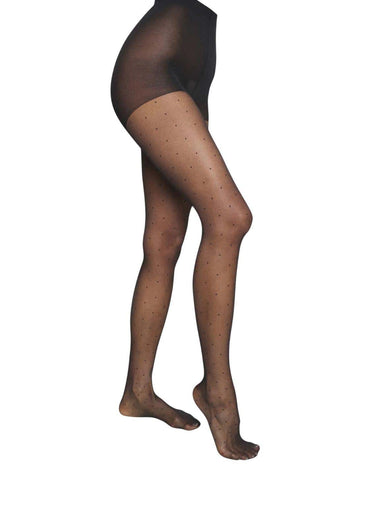
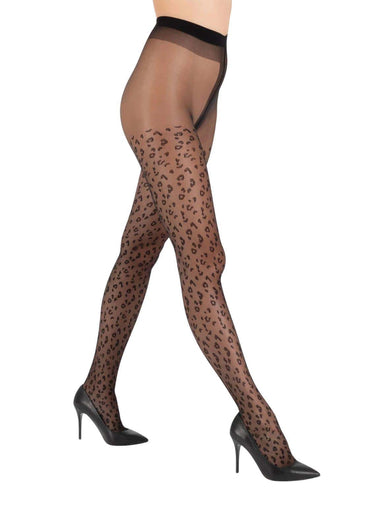
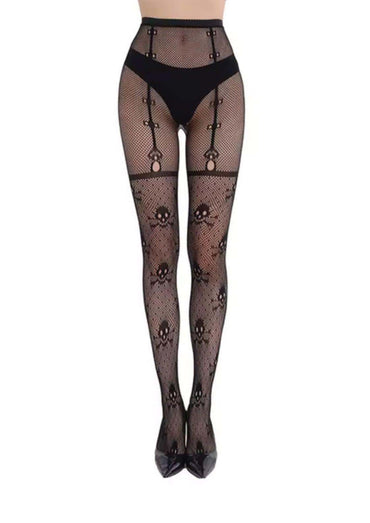
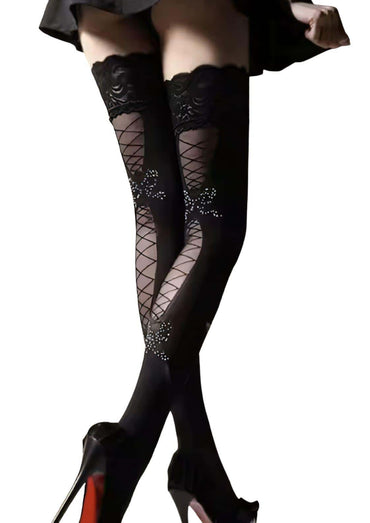
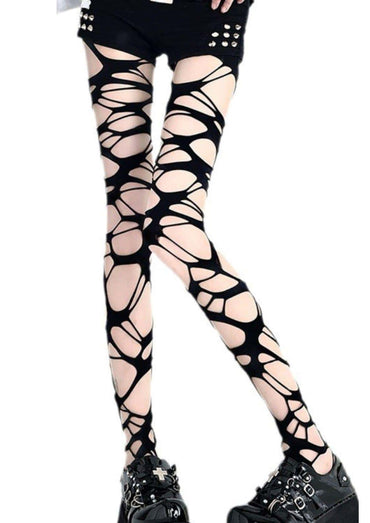
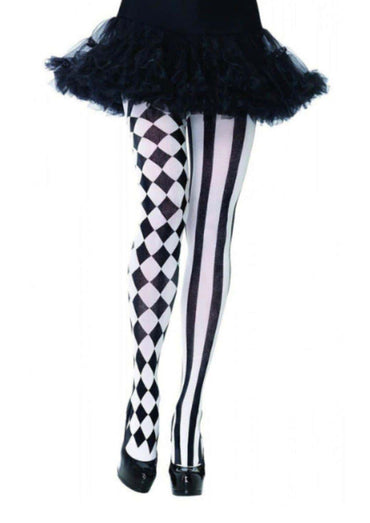
You can find a large selection of different (fishnet) tights in our Tights category.
1. Denier Count: Thickness Does Not Equal Durability
The denier count (DEN) indicates how fine or thick the yarn is.
-
5–15 DEN: very fine, transparent, particularly delicate
-
20–40 DEN: suitable for everyday wear, balanced compromise
-
50+ DEN: opaque, significantly more robust
Important: A higher denier count usually means more stability – but only if the material is also high quality.
2. Material Composition Determines Tear Resistance
Not every pair of tights is made from the same yarn.
Durable materials include, for example:
-
Polyamide (Nylon) – hard-wearing & dimensionally stable
-
Elastane (Lycra) – provides stretch and recovery
-
Microfiber – more tightly woven, less prone to runs
Cheap tights often contain little elastane or inferior yarns – they lose their shape faster and tear more easily.
3. Weaving Technique & Yarn Quality
It's not just what is woven, but how it's woven that matters.
-
Tightly woven stitches withstand mechanical stress better
-
Reinforced zones (toe, heel, crotch) extend lifespan
-
Seamless or flat seams reduce tension points
Runs often occur at weak points – that's where quality separates itself from mass-produced goods.
4. Fit & Correct Size
One of the most common reasons for tearing tights is the wrong size.
-
Tights that are too small are constantly under tension
-
Models that are too large slip and chafe
-
Consider height and weight – not just dress size
Tip: Better one size up than too small.
5. Waistband & Crotch Workmanship
A stable waistband prevents excessive pulling when pulling them up.
A well-made gusset (cotton or reinforced material) reduces tension in the crotch area – one of the most common tearing points.
6. Care & Handling – Often Underestimated
Even the best tights won't last long if they're not cared for properly.
How to extend their lifespan:
-
Avoid jewelry & long fingernails when putting them on
-
Pull tights up slowly and evenly
-
Hand wash only or use a laundry bag
-
No fabric softener, no heat
7. Price vs. Quality – Is More Expensive Worth It?
Very cheap tights often cut corners on:
-
Yarn quality
-
Elastane content
-
Weave density
A slightly more expensive pair of tights often lasts several times longer – and is therefore more sustainable and cheaper in the long run.
Conclusion: What to Look for When Buying
If tights tear quickly, it's usually due to the material, workmanship, or fit. Those who pay attention to high-quality yarns, sufficient elastane, a suitable size, and clean workmanship will save themselves frustration – and runs.
Remember:
Quality doesn't show at first glance, but after the tenth wear.