Tarot card reading
Share
Reading tarot cards feels like looking into the mirror of your soul: not hocus-pocus, but an intense conversation with your intuition. In this guide from Easure, you'll delve into the fundamentals of tarot, learn to read tarot cards step by step, understand the most important card meanings, and find inspiration on how tarot, gothic lifestyle, and dark art merge.
Tarot card reading – why this topic fits so magically into the Gothic world
If you're part of the Gothic scene, you live with symbols: skulls, moons, bats, pentagrams, old lettering, sacred motifs. Tarot has breathed precisely this imagery for centuries.
Reading tarot cards means working with these symbols and using them as a projection screen for feelings, fears, dreams, and decisions . For many in our community, tarot is:
- a form of self-reflection
- a ritual on dark nights or after long nights at the club
- a creative tool to inspire stories, music, looks, or art
- A witchcraft, pagan, or spirituality tool that perfectly complements tarot motifs, occult, and witchcraft.
What Tarot cards actually are – structure, composition, archetypes
Before you learn to read tarot cards, you need the basic framework.
Major and Minor Arcana – the skeleton of your deck
A classic tarot deck consists of 78 cards :
- 22 Major Arcana cards (0–21)
- 56 Minor Arcana cards in four suits: Wands, Cups, Swords, Coins
Major Arcana
These cards depict the “major chapters” in life: transformation, love, upheaval, realization, new beginnings. Each card represents an archetypal theme that you also see in pop culture, horror films, or Gothic imagery: death, the devil, the tower, the fool, the sun, the moon.
Minor Arcana
The Minor Arcana seem like everyday life compared to grand drama. They deal with situations, emotions, conflicts, actions, and concrete steps. The four colors classically represent:
- Wands – Fire : Will, creativity, drive, passion
- Chalices – Water : Feelings, relationships, spirituality
- Swords – Air : Reason, communication, conflicts, decisions
- Coins – Earth : Body, money, job, resources, material reality
When you read tarot cards, you're constantly playing with this level: How intense is the theme? Major Arcana = big screen drama. Minor Arcana = everyday scene.
Learn to read tarot cards – how to get started effectively
Many people put off learning Tarot because it seems “too much”: 78 cards, countless meanings, reversals, layouts, tables, PDFs. However, you don't need a Tarot card meaning PDF or a 78-page list to get started.
Three pillars are enough to get you started:
- Understanding the structure (you have it above)
- Regular practice – Tarot card reading for beginners means: practicing, taking notes, comparing
- Observe symbols instead of memorizing them.
The right tarot deck – aesthetics, symbolism, and vibes
To learn how to read tarot cards, you need a deck that:
- appeals to you visually
- It has clear, easily recognizable pictograms.
- It suits your aesthetic
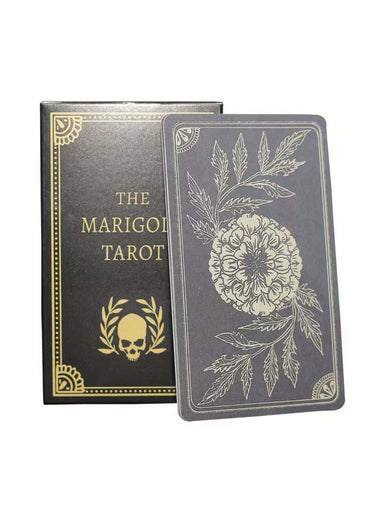
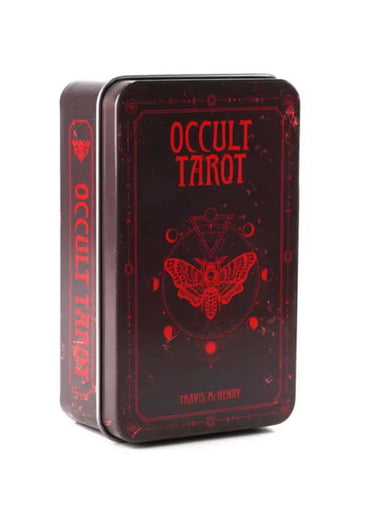
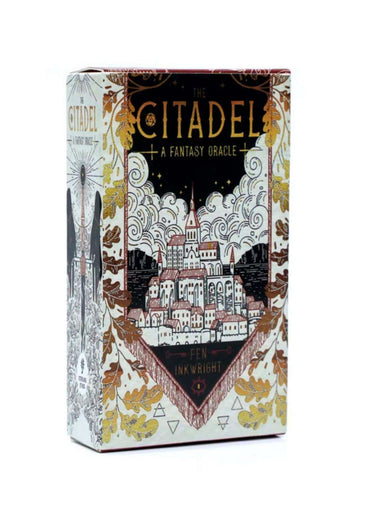
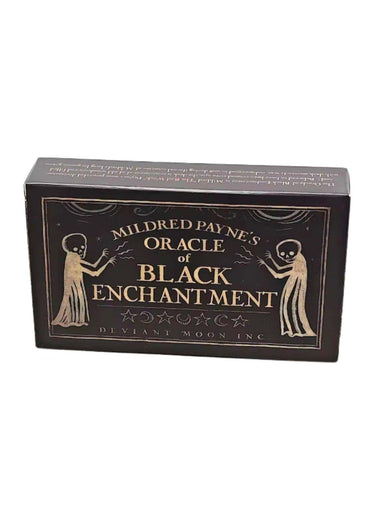
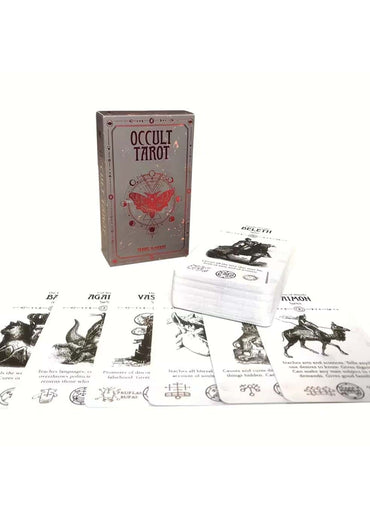
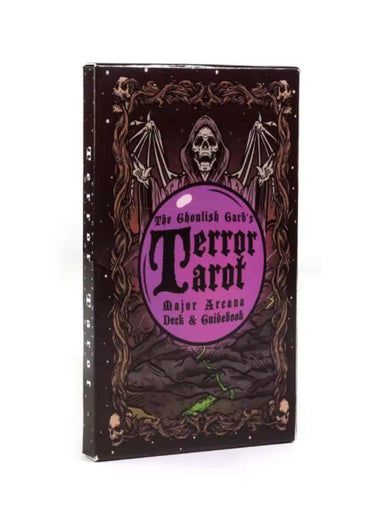
Especially in the Gothic scene, decks with dark art, occult symbols, skeletons, moons, crows, and bats work particularly well because your brain already “speaks” this visual world.
Pay attention to the following when choosing the first deck:
- Card quality (sturdy cards, pleasant feel)
- easily recognizable symbols
- a visual language that you feel emotionally
The more the deck appeals to you, the easier it will be for you to read tarot cards.
Preparing your Tarot ritual – space, mood, mindset
Tarot thrives on atmosphere. Sure, you can read tarot cards between the laundry basket and your laptop, but you'll get more out of it if you establish your own little ritual .
Space and atmosphere
For many in our community, Tarot feels right when:
- the light is dimmed (candles, fairy lights)
- an incense stick or scented oil is burning (patchouli, sandalwood, myrrh)
- Background music is playing, which is rather calm, dark ambient or post-punk.
- The table or altar has space for cards and possibly crystals, skull decorations or pentagrams.
Your inner state
Tarot card reading works best if you:
- not completely overtired
- You have no time pressure
- You are open to listening to yourself.
Take a few calm breaths, put your phone away or into airplane mode, then formulate a clear question .
Tarot card reading – basic principles, question formulation, intuition
The right question – the key to reading tarot cards
Tarot responds more intensely to open-ended questions that aim at development, clarity, or understanding. Good question formats:
- “What currently supports me in relation to…?”
- “What energy shapes the situation with …?”
- “What no longer serves me and can be discarded?”
- “What will I focus on in the coming month?”
Avoid yes/no questions if you want to delve deeper. Separate yes/no spreads exist for quick answers, but the essence of tarot card reading lies in interpreting the dynamics, not in binary oracles.
Shuffling, drawing, and laying out tarot cards – this is how your ritual works.
1. Mixing
Shuffle the deck however feels right: classic card shuffling, "washing" it across the table, dividing it in half. Focus on your question.
2. Intuitive Stop
You stop when an inner “stop” signal sounds, the feeling of “Now it’s right”.
3. Pull
Depending on the layout, you draw 1 card, 3 cards, or more. For beginners learning to read tarot cards, one to three cards are sufficient to start.
4. Laying out
Lay the cards in front of you and take your time to scan the images:
- Which symbols catch your eye?
- Which colors dominate?
- What mood does the scene convey?
Before you look up the meanings in a tarot book or a list of tarot card meanings, capture the moment: First impressions are worth their weight in gold.
Tarot card reading – variations for beginners and advanced users
There are countless variations of Tarot card readings . To get started, you need three basics that cover almost everything.
Option 1: The daily card – perfect exercise for learning to read tarot cards
Goal: To strengthen intuition, internalize map images, and reflect on everyday life.
Here's how to proceed:
- Mix your deck in the morning by asking yourself: “What energy accompanies me today?”
- Draw a card .
- Take your time to look at the picture. Write down your impressions.
- In the evening, you check: Where did the theme of the card appear during the day?
This simple exercise transforms your life into a dialogue with the deck. Over time, you will automatically connect situations with cards.
Tip: Hang the drawn card on a pin on your jacket, bag or backpack to visibly carry the energy.
Variant 2: Three-card spread – past, present, future
The most well-known Tarot card reading guide for beginners:
- Card 1 – Past : What are the lasting effects?
- Card 2 – Present : What shapes you now?
- Map 3 – Future / Trend : Where is the situation developing?
You can also interpret the positions differently, e.g.:
- Situation – Challenge – Advice
- You – Opposite – Connection
- Body – Mind – Soul
This flexibility makes the three-card spread a universal tool for practicing tarot card reading.
Variant 3: Celtic Cross – Classic Deep Dive
The Celtic Cross is legendary, complex, and perfect if you have a really big question, such as about life decisions, major upheavals, or toxic situations.
A popular version (10 cards):
- Present
- Challenge / Cross
- Conscious / Head level
- Unconscious / Root
- Past events that still have an effect
- Next development
- Inner attitude
- Environment / other people
- hopes and fears
- Result / overarching trend
You can find countless PDF guides to laying out Tarot cards online. Use PDFs as a memory aid, but remain flexible while reading. Your intuition may emphasize positions differently if it feels right.
Tarot card meanings – basics, without having to memorize 78 cards
You don't need a mental dictionary to learn how to read tarot cards. Much more important:
- Understanding the symbolism
- A feel for elements, numbers and colors
- Experience with recurring themes
Nevertheless, a concise list of Tarot card meanings is helpful for getting an overview. Save the extensive details for later.
Major Arcana – your personal Major Storylines
The Major Arcana reveals something like the “plot of your life.” Here is a concise overview of its core energies:
| Map | Nuclear energy (summary) |
|---|---|
| 0 – The Fool | New beginnings, risk, trust, a leap into the unknown |
| I – The Magician | Focus, manifestation, action, will |
| II – The High Priestess | Intuition, secrets, inner knowledge |
| III – The Empress | Abundance, creativity, fertility, sensuality |
| IV – The Ruler | Structure, control, authority, boundaries |
| V – The Hierophant | Tradition, teachings, values, spirituality |
| VI – The Lovers | Relationship, decision, path of the heart |
| VII – The Car | Movement, enforcement, journey, control |
| VIII/XI – Justice / Strength* | Balance / Courage, Strength of Heart |
| IX – The Hermit | Retreat, wisdom, introspection |
| X – Wheel of Fortune | Turning point, cycles, fate |
| XII – The Hanged Man | Stagnation, change of perspective, devotion |
| XIII – Death | End, letting go, transformation |
| XIV – Temperance | Balance, integration, healing |
| XV – The Devil | Addictions, lust, shadows, seduction |
| XVI – The Tower | Collapse, shock, sudden truth |
| XVII – The Star | Hope, inspiration, clarity |
| XVIII – The Moon | Illusion, fear, dream world, ambiguity |
| XIX – The Sun | Success, joy, vitality |
| XX – The Court | Awakening, decision, reassessment |
| XXI – The World | Conclusion, wholeness, completion |
*Depending on the deck, Justice and Strength swap numbers VIII and XI.
When reading tarot cards, you don't just list keywords. You look at:
- Where does the card lie within the spread?
- What other cards flank them?
- Which color (element) dominates the surrounding image?
Example: Is Death at the center of your three-card spread with many coins around it? Then it's less about love drama and more about a radical cut in your job or in how you deal with money or possessions.
Minor Arcana – Wands, Cups, Swords, Coins: A Compact Understanding
Many people focus on the Major Arcana and ignore the Minor Arcana. However, for nuanced interpretations, you need both levels .
Wands – Fire, Drive, Will
Staffs tell stories of:
- Ideas, inspiration, creativity
- Self-assertion, fighting spirit, breakthrough
- Burnout, overexertion, frustration (in the higher number cards)
An example of how to read Tarot cards: The Five of Wands can indicate competitive situations, arguments, heated discussions, or inner conflict.
Cups – Water, emotions, connection
Chalices appear when:
- Love, relationships, and matters of the heart are the focus
- you are emotionally shaken
- you experience healing, compassion, or spirituality
The Ten of Cups often acts as a "happy ending" card in terms of relationships and emotional fulfillment. The Five of Cups, on the other hand, represents sorrow, loss, and a focus on what is missing.
Swords – air, intellect, conflicts
Tailoring swords:
- Thoughts, clarity, analysis
- Conflict, separation, painful truth
- mental overload or liberation
The infamous Three of Swords, with the heart and the swords, represents heartbreak, disappointment, or separation, but also brings clarity.
Coins – Earth, Body, Matter
Coins speak of:
- Money, work, projects, studies
- Body, health, resources
- Stability, long-term
The number eight of the coins represents diligence, learning, craftsmanship, and improvement.
Reading Tarot cards step by step – concrete interpretation work
Now comes the part that many find "magical": putting the puzzle pieces together . Reading tarot cards means reading in several layers:
- Position in the laying system
- Card type (Major/Minor Arcana, Suit, Number, Court Card)
- Symbolism of the image
- Relation to the question
- Connection to other maps
Example: Interpreting a three-card spread
Question: “What will support me in my creative project over the next four weeks?”
Cards drawn:
- Past – Four of Swords
- Present Day – The Magician
- Future – Eight of Coins
Interpretation when reading Tarot cards:
- Four of Swords : Retreat, pause, mental regeneration. Your past was probably characterized by overload, burnout, taking a break, or inner freeze.
- The Magician : You're currently back at your tools, you're gathering your skills, you're focusing. The Magician shows: You have the resources to actively shape your project.
- Eight of Coins : The next few weeks are all about diligence, attention to detail, and improving your craftsmanship. You'll refine your project step by step, building long-term expertise.
Instead of “The cards will predict your success or failure,” this spread invites you to reflect on your attitude : acknowledge the past, keep your focus on the present, and practice consistently.
Reading tarot cards as self-reflection – instead of fortune-telling from above
In our scene, many people are concerned with self-determination, critical thinking, and distinguishing themselves from the mainstream . Tarot is a good fit if you:
- as a mirror
- as a tool for shadow work
- as a creative medium
You understand – not as an “absolute judgment about your future”.
When reading Tarot cards, you always have room to maneuver: The cards show tendencies, patterns, opportunities, blockages , but you make the decisions.
Especially cards like:
- The Devil (addiction, dependency, shadow)
- The Tower (collapse, shock, truth)
- The moon (uncertainty, fear, illusion)
Many in our community use tarot to consciously examine inner issues instead of suppressing them. Tarot becomes a starting point for therapy, journaling, artistic expression, or changes in everyday life.
Tarot card reading and shadow work – dealing with dark motifs in a healing way
Gothic is not “just dark,” but deals with what others repress: death, transience, grief, anger, trauma, societal taboos. Tarot reflects these themes with unflinching honesty.
Cards that often trigger – and how to read them constructively
Death (XIII)
Not “You die,” but rather: something ends . A phase, a job, a relationship, an identity. Reading tarot cards here means: What can you let go of so that you can make room for something new?
The Devil (XV)
It reveals the bonds that hold you back: addictions, toxic relationships, self-sabotage. Ask yourself: Where are you relinquishing power? What feeds your shadow self?
The Tower (16)
Fractures, sudden events that shatter facades. Tarot card readings often interpret the Tower as radical honesty. Where have you been deceiving yourself? What truth is breaking through?
Nine and Ten of Swords
Sleepless nights, rumination, anxiety-inducing fantasies, feeling overwhelmed. They remind you that your inner monologue is escalating intensely, but that you can get support. Mental health is just as much a part of Gothic culture because we openly embrace darkness.
Use these cards consciously: write, draw, make music, or create a ritual when they appear. The imagery helps you grasp feelings for which words are often lacking.
Learn to read tarot cards – tools, exercises and tarot journal
To make reading tarot cards a part of your everyday life, a tarot journal can help. With it, you create your own personal tarot card meaning PDF in book form.
Tarot Journal – Your Own Grimmoire
Start a notebook or digital journal. Outline idea:
- Date
- Card(s) drawn
- Ask
- first spontaneous impressions
- Keywords from meaning lists or books
- what happened during the day or week
- Reflection: Does the interpretation fit? What would you add?
The more often you work this way, the less you'll rely on generic "Tarot card meanings with pictures" guides. You'll learn what the Moon, the Devil, or the Eight of Cups actually mean in your life.
Exercise: One map, three perspectives
Draw a card and write three short interpretations:
- Literal / visual (What do you see without knowledge of Tarot?)
- Classical (What do books/lists say?)
- Personally (What feels right for your life right now?)
This exercise strengthens your own voice in reading tarot cards and prevents you from getting lost in foreign definitions.
Tarot card meaning list vs. intuition – how to balance both
There are countless lists, PDFs, apps, and tables available online. They are very useful if you:
- you're still at the very beginning
- Need a quick Tarot card meaning list?
- while you're out and about, checking your day ticket
Important balance for your tarot card reading:
- Use lists as inspiration , not as rules.
- If your intuition tells you something different about a card than its standard meaning, write down both. Look for patterns later.
- Allow your deck to develop a language with you personally .
Many readers find after some time that certain cards in their lives have a very specific signature that does not correspond 1:1 to the usual Tarot card meaning text from a book.
Tarot card reading for beginners – typical mistakes and how to avoid them
When you start reading tarot cards, many people stumble across similar traps.
Mistake 1: Too many cards, too little focus
A huge spread with 10-15 cards feels impressive, but it's overwhelming. It's better to lose in depth , not in breadth.
Better: Start with 1-3 cards. If you feel confident in your interpretations, gradually work your way up to larger spreads.
Mistake 2: Question = Giving up control
Phrases like “What will happen to me?” relinquish responsibility. When reading Tarot cards, you reclaim your agency by asking questions like:
- “How do I deal with this situation?”
- “What resources are currently supporting me?”
You remain an agent, not a victim.
Error 3: Dependence on the deck
Tarot can be intense, especially when you're going through a crisis. Be careful not to leave every decision to the cards . If you find yourself "doing nothing" without your daily card, consciously set boundaries: Tarot as a mirror, not as a command.
Mistake 4: Reading others without asking
Especially in the Gothic and party scene, tarot decks often end up being passed around. Ask beforehand if the person really wants to be read and what topics are off-limits. Tarot card reading is intimate. Respect boundaries.
Tarot card reading in a group – club, festival, coven
Sharing a reading brings fresh perspectives and strengthens the sense of community. Imagine sitting in the kitchen after an open-air festival or a night out at a club, candles flickering, makeup smudged, and the deck of cards on the table.
Group setting – how to keep it safe and empowering
- Set rules at the beginning: No trash talk, no shaming, no diagnoses.
- Each person formulates their own question.
- Who reads? Either one person lays out the cards for everyone, or each person reads their own card, and the others add their impressions.
- Respect a “no” to questions or topics that are too personal.
Tarot card reading and other oracles – Ouija boards, runes, pendulums
Many in our community love symbolic tools , not just tarot cards:
- Ouija boards
- pendulum
- Runestones
- Astrology, numerology
Tarot can be combined with these tools. You can:
- Draw a tarot card and use the pendulum to ask follow-up questions.
- Cast additional runes to emphasize aspects
- With a Ouija board, you're more likely to have "storytelling sessions," while Tarot stays with you and illuminates your psyche.
Reading Tarot cards in the digital age – apps, PDFs, online tools
Today, countless apps, websites, and online decks offer tarot card readings at the touch of a button . This has advantages:
- You can try out Tarot without obligation.
- You will receive a compact explanation of the meaning of tarot cards, including pictures.
- You can quickly buy a virtual day ticket on the go.
Use digital resources as a supplement, not a replacement for your own deck and your own practice.
Tarot card reading and ethics – responsibility in dark times
Tarot is powerful because it tells stories. Stories shape decisions, emotions, and self-image. Especially in a scene that openly addresses vulnerability, trauma, difference, and psychological issues , every story carries weight. Reader responsibility.
Guidelines for responsible tarot card reading
- No promises of healing : Tarot does not replace therapy, medicine, or legal advice.
- No pressure : You lay the cards, you don't control other people's lives.
- Don't be scared : Even challenging cards can be read constructively: What does the card show, what kind of growth does it invite?
- Respect : No readings about third parties without their consent.
This stance aligns with our anti-fascist, inclusive approach: reading tarot cards supports self-empowerment, not control.
How often should you lay Tarot cards – rhythm and self-protection
Many people wonder: How often should you read tarot cards?
Answer from practical experience:
- Daily card : It works well every day, as long as you briefly reflect on it and don't make every step dependent on it.
- Larger spreads (e.g. Celtic Cross): 1-2 times per month on the same question is sufficient, otherwise you'll just be chasing after the next interpretation.
- Acute crises : It's better to have one intensive session, followed by integration and possibly continuing to work with friends, a therapist, or a diary.
Tarot card reading gains depth through distance and integration , not through constant exposure. If you notice yourself becoming nervous when you're not drawing a card, consciously take a break.
Tarot and your personal dark identity style
Reading tarot cards is not just a technique, but part of your identity. You shape how visibly you live it:
- A more subtle option : Tarot remains private; you journal, perhaps wearing small symbols that only initiates recognize.
- Open Witch / Occult Mode : You wear tarot or pentagram necklaces, coffin or skull hoodies, rings with symbols , and use tarot as a statement: “I listen to my intuition, not your norms.”
- Collective level : You offer tarot readings at festivals, parties, or within your scene group, always with consent and respect.
Frequently asked questions about reading tarot cards
How does reading tarot cards work?
Tarot card reading is a process of questioning, drawing cards, and interpreting them. You ask a clear question, shuffle your deck, and lay it out according to a tarot card reading guide (e.g., a three-card spread). Then you interpret each drawn tarot card based on its symbols, elements, numbers, and position in the spread. Your intuition connects the card's meaning to your situation. This creates a picture that helps you understand decisions, feelings, and tendencies.
How often should I read tarot cards?
You can draw a card every day to practice reading tarot cards in everyday life. Larger spreads like the Celtic Cross are suitable for important questions and should be used every few weeks. If you keep revisiting the same question, you're more likely to create a blockage. A better approach is to lay the cards, reflect on the reading, implement the insights, and then later seek a fresh perspective.
What do I need to learn how to read tarot cards?
You'll need a tarot deck that appeals to you visually, a simple tarot card reading guide for beginners, and a willingness to engage in self-reflection. A tarot journal will help you document your impressions and develop your own list of tarot card meanings. Candles, altar decorations, or suitable Gothic accessories create atmosphere, but are not essential.
Which Tarot card laying variations are suitable for beginners?
For learning to read tarot cards, daily card readings, single-card readings for specific questions, and a simple three-card spread (past – present – future or situation – challenge – advice) are suitable. You can use more complex spreads like the Celtic Cross later, when you feel more confident.
Do I need to know all 78 Tarot cards by heart?
No. To begin reading tarot cards, a basic understanding of the Major Arcana and the suits of Wands, Cups, Swords, and Pentacles is sufficient. Lists, books, or a tarot card meaning PDF can help you. With practice and journaling, each tarot card will develop a personal significance for you that goes deeper than mere lists of keywords.
What does it mean when only Major Arcana cards appear during a Tarot card reading?
If a spread consists almost entirely of Major Arcana cards, the topic of your question appears to represent a major life phase or a significant period of transformation. In Tarot reading, you interpret this as an indication that you are at a turning point: it's less about everyday details and more about fundamental decisions, values, or transformation.
What do I do if a tarot card scares me?
Take your fear seriously, but first, take a deep breath. Look closely at the image: What details trigger your reaction? When reading tarot cards, then look for the card's constructive message. Death, for example, points to the need to let go, while the Tower suggests liberation through truth. Write down your feelings, talk to trusted people, and use the card as a starting point to consciously examine boundaries, needs, and changes, instead of succumbing to panic.
- https://www.deutsches-tarotverband.de – German Tarot Association, background information on tarot history, ethics and training standards. Relevant in the section "Reading Tarot Cards and Ethics".
- https://www.sueddeutsche.de/leben/esoterik-tarot-astrologie-1.4793930 – Article from a major daily newspaper about Tarot as a psychological tool. Recommended after the section "Reading Tarot cards as self-reflection".
- https://www.uni-leipzig.de/newsdetail/artikel/warum-wir-an-esoterik-glauben – University article on the psychology of esotericism and symbolic systems. A good starting point after the section on intuition and self-reflection.
- https://www.psychologists.org.uk/public/psychology-and-you/psychology-of-belief – Specialist portal on the psychology of belief systems and oracles, relevant in the section on ethics and responsible interpretation.
- https://www.britannica.com/topic/tarot – Encyclopedic overview of the history and structure of the Tarot, ideal after the early section “What Tarot cards actually are – structure, composition, archetypes”.
Prev post

Ouija board instructions
Updated on 25 February 2026