Beelzebub Meaning and Mythology Explained Simply
Brief Definition
Beelzebub, also known as Belzebub, is a demonic figure from religious and mythological traditions, often considered the prince of demons or the embodiment of evil. Beelzebub is a central concept in demonology and is often used as a synonym for the devil or a high-ranking demon. The name appears in various religious texts and occult traditions.
What is Beelzebub?
Beelzebub is a figure from religious mythology, originally from the Ancient Near East, and later interpreted as a demon or devil figure in Christian, Jewish, and occult teachings. The name is often translated as "Lord of the Flies" and symbolically represents decay, corruption, and demonic power.
At its core, Beelzebub refers to a figure originating from an ancient religious context that was later demonized in Jewish and Christian traditions. The name derives from the Philistine god Baal-Zebub of Ekron. In later interpretations, Beelzebub appears as the prince of demons, an antagonist to the divine, or a designation for a particularly high-ranking demonic power. In many modern contexts, "Beelzebub" serves as a synonym for devil, prince of hell, or destroyer, even if this equation does not historically encompass all levels of meaning cleanly.
Detailed Description
The term Beelzebub or Belzebub presumably originates from the Canaanite god Baal-Zebub. Over the course of history, this deity was negatively reinterpreted in Abrahamic religions and transformed into a demonic entity.
In Christian demonology, Beelzebub is considered one of the highest-ranking demons, often equated with Satan or depicted as his closest follower. Especially in the Middle Ages, he was described as the prince of hell, ruling over other demons and associated with sins such as pride, greed, or decay.
In the New Testament, the image changes significantly. There, Beelzebub or Beelzebul appears as the "prince of demons." The term is used in discussions about demonic power and exorcism. This is precisely where the close connection between Beelzebub, the devil, and Satan, which has remained popular to this day, originates. Historically, however, a fine distinction is worthwhile: the name comes from an older cultic context; the demonic interpretation only developed in later phases of religious tradition.
Beelzebub also regularly appears in literature, pop culture, and occultism. He symbolizes chaos, dark power, and moral decay. Variants such as Belzebub, Beelzebul, or Baal Zebub show how the term has evolved across different cultures and eras.
Today, the name is used in both religious contexts and metaphorically to describe personified evil or a particularly negative force.
Frequently Asked Questions (FAQ)
What does the name Beelzebub mean?
The name Beelzebub is usually translated as "Lord of the Flies" and symbolically represents decay and the demonic.
Is Beelzebub the same as the Devil?
In many traditions, Beelzebub is equated with the Devil or considered one of the most powerful demons under Satan.
Where did Beelzebub originally come from?
Its origin lies in the Ancient Near East, specifically in the Canaanite deity Baal-Zebub.
What role does Beelzebub play in demonology?
Beelzebub is considered the prince of demons and is often associated with hierarchies of hell and dark powers.
Why does Beelzebub appear in literature and pop culture?
The figure symbolizes evil and is therefore often depicted as a powerful demon in films, series, and books.
Fittingly
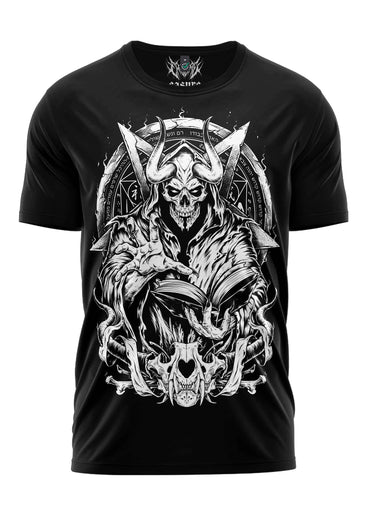
Satan's Shirt
(1) 1 total reviews
5.0 / 5.0
Incenation - Shirt
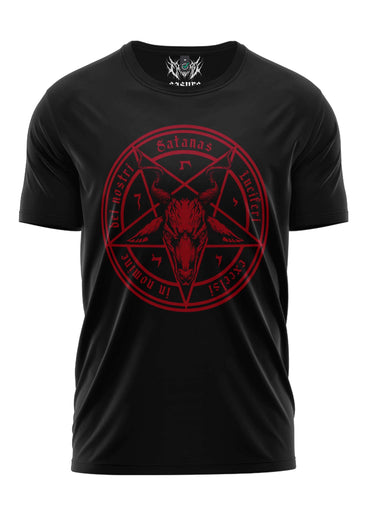
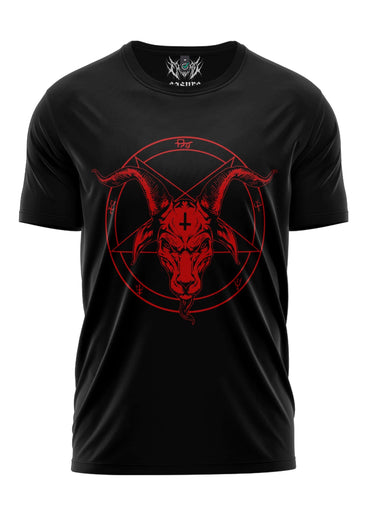
Satan's red - Shirt
(1) 1 total reviews
5.0 / 5.0
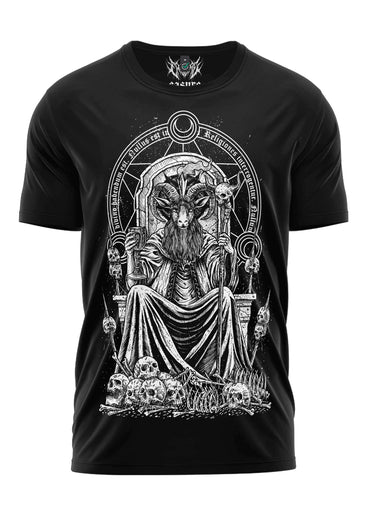
Baphomet's Throne - Shirt
(1) 1 total reviews
5.0 / 5.0
Baphomets Feast - Shirt
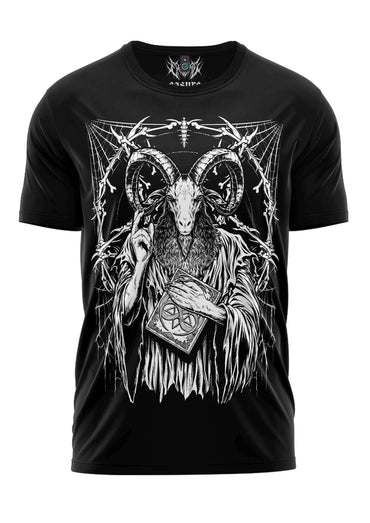
The influence of the demon - Shirt
(2) 2 total reviews
5.0 / 5.0
Pentagram red - Shirt
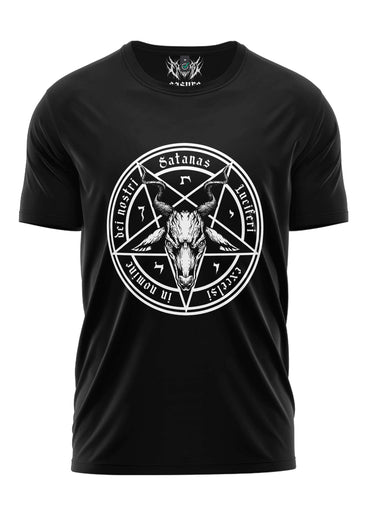
Pentagram white - Shirt
(1) 1 total reviews
4.0 / 5.0