Carmilla – Vampire Glossary & Meaning
Who is Carmilla?
Carmilla is considered one of the most important figures in Gothic literature and a direct precursor to modern vampire portrayals. The novella Carmilla appeared about 25 years before Bram Stoker's Dracula and significantly shaped the vampire myth. The portrayal of a female vampire, whose relationship with her victim is characterized by emotional closeness, intimacy, and subtle eroticism, was particularly revolutionary.
This glossary page provides a structured overview of Carmilla's character, motifs, symbolism, and cultural significance.
Content Overview
The story is told from the perspective of young Laura, who lives with her father in a secluded castle. One day, Carmilla is taken in after a mysterious carriage accident. An intense, almost obsessive relationship develops between Laura and Carmilla. In parallel, Laura becomes increasingly ill, while reports of mysterious deaths circulate in the region. Finally, Carmilla is exposed as a vampire and destroyed.
Glossary of Central Terms and Motifs
Carmilla
Carmilla is an aristocratic, mysterious vampire. She appears fragile yet dominant. Unlike later vampire figures, she is not openly aggressive, but emotionally binding and manipulative. Her closeness is both comforting and threatening.
Female Vampire
Carmilla establishes the vampire not as a male seducer, but as a female, self-determined figure. In doing so, Le Fanu breaks with traditional 19th-century gender roles.
Forbidden Closeness
The relationship between Carmilla and Laura is characterized by physical and emotional intimacy. This closeness transcends Victorian societal norms and is therefore coded as threatening.
Vampirism
Vampirism in Carmilla is not depicted as a heroic curse, but as a parasitic existence. The vampire lives off emotional and physical closeness, slowly destroying its victim.
Sleep and Dreams
Important encounters between Carmilla and Laura take place at night or in dream-like states. Sleep here symbolizes loss of control and vulnerability.
Illness and Decay
Laura's physical decay reflects Carmilla's influence. Vampirism appears as a disease that slowly spreads.
Mirrors and Identity
Carmilla is repeatedly associated with reflections, doppelgänger motifs, and shifts in identity. Her changing names and masks reinforce this motif.
Central Themes of the Novella
-
Female Power and Autonomy
-
Fear of Sexuality and Intimacy
-
Victorian Societal Norms
-
Otherness and Repression
-
Death, Illness, and Decay
Carmilla uses the vampire myth to expose cultural anxieties.
Symbolic Meaning
Carmilla is often interpreted as:
-
Symbol of repressed female sexuality
-
Projection surface for Victorian moral anxieties
-
Embodiment of the "Other" within society
-
Early form of queer literature
The vampire functions less as a monster and more as a mirror of societal taboos.
Carmilla Compared to Dracula
| Aspect | Carmilla | Dracula |
|---|---|---|
| Gender | Female | Male |
| Seduction | Emotional & Intimate | Dominant & Eroticized |
| Violence | Subtle | Offensive |
| Symbolism | Taboo & Closeness | Power & Control |
Carmilla is quieter, more psychological, and more intimate than later vampire portrayals.
Influence on Gothic Literature
The novella significantly influenced:
-
Bram Stoker's Dracula
-
Female vampire portrayals in film
-
Queer Gothic literature
-
Modern horror and dark romance genres
Many motifs that are now considered typical of vampire stories first appear here in a literarily developed form.
Modern Reception
Today, Carmilla is considered a cult figure in the Gothic scene. She is frequently reinterpreted in feminist, queer, and literary contexts. Her ambivalence between tenderness and danger, in particular, makes her timelessly relevant.
Conclusion
Carmilla is a key work of Gothic literature and one of the most complex vampire figures of the 19th century. The character combines horror with psychological depth and social critique. This glossary provides a well-founded, SEO-optimized basis for shop, knowledge, or cultural pages with a Gothic focus.
Fittingly
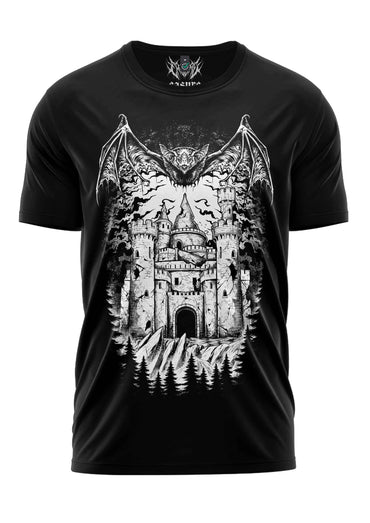
Vampires Castle - Shirt
(1) 1 total reviews
5.0 / 5.0
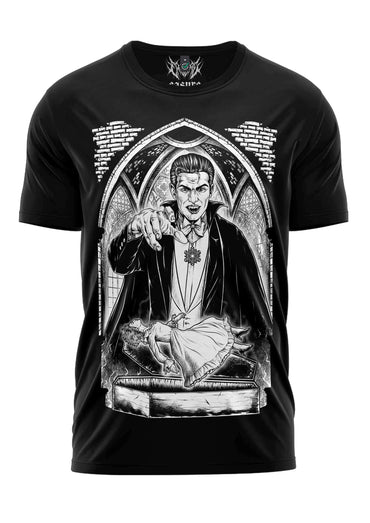
Dracula - Shirt
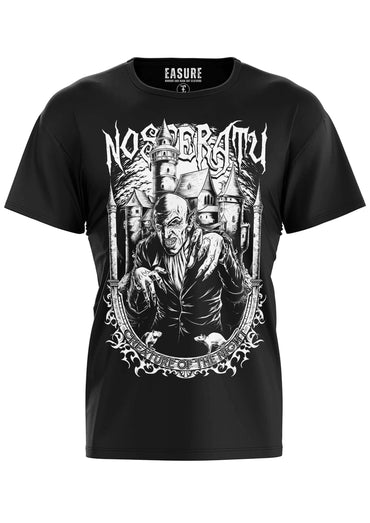
Nosferatu - Shirt
(1) 1 total reviews
5.0 / 5.0
Vampire now - Shirt
(1) 1 total reviews
5.0 / 5.0