Church of Satan – History, Philosophy and Significance

Church of Satan – History, Philosophy, and Significance

What is the Church of Satan?

The Church of Satan is a religious-philosophical organization founded in 1966 that significantly shaped modern, atheistic Satanism. It is considered the first officially registered Satanic organization of the modern era and remains a central point of reference for discussions about Satanism.

Contrary to widespread prejudices, the Church of Satan does not understand itself as the worship of a supernatural being. Satan is not seen here as a real deity, but as a symbol for individualism, self-determination, rationality, and the rejection of religious dogmas.

Founded by Anton Szandor LaVey

The Church of Satan was founded in 1966 in San Francisco by Anton Szandor LaVey. LaVey was a musician, occult researcher, and social provocateur who consciously worked with religious symbols to question existing moral concepts.

With the publication of the Satanic Bible in 1969, LaVey formulated the philosophical foundations of the Church of Satan. This work remains the best-known manifesto of modern Satanism and represents a clear demarcation from spiritual or theistic belief systems.

LaVey understood Satan as a symbol for the animalistic, worldly, and self-determined life. The Church of Satan therefore preaches not a belief in the devil in the Christian sense, but a secular, egocentric philosophy with ritualized, partly theatrical elements.

Philosophical Core Principles

The Satanism of the Church of Satan is explicitly atheistic. Supernatural concepts, afterlife beliefs, or divine authorities are rejected. Instead, the individual human being is at the center.

Key principles include:

  • radical individualism
  • personal responsibility instead of externally imposed morality
  • criticism of religious hypocrisy
  • acceptance of human drives and needs
  • rationality and skepticism towards dogmas

Morality is not understood as universal or divinely given, but as situational and individual. Responsibility for one's own actions always remains with the individual.

Rituals and Symbolism

Rituals within the Church of Satan have no spiritual or magical purpose in the religious sense. They serve instead for psychological focusing, self-reflection, and emotional processing.

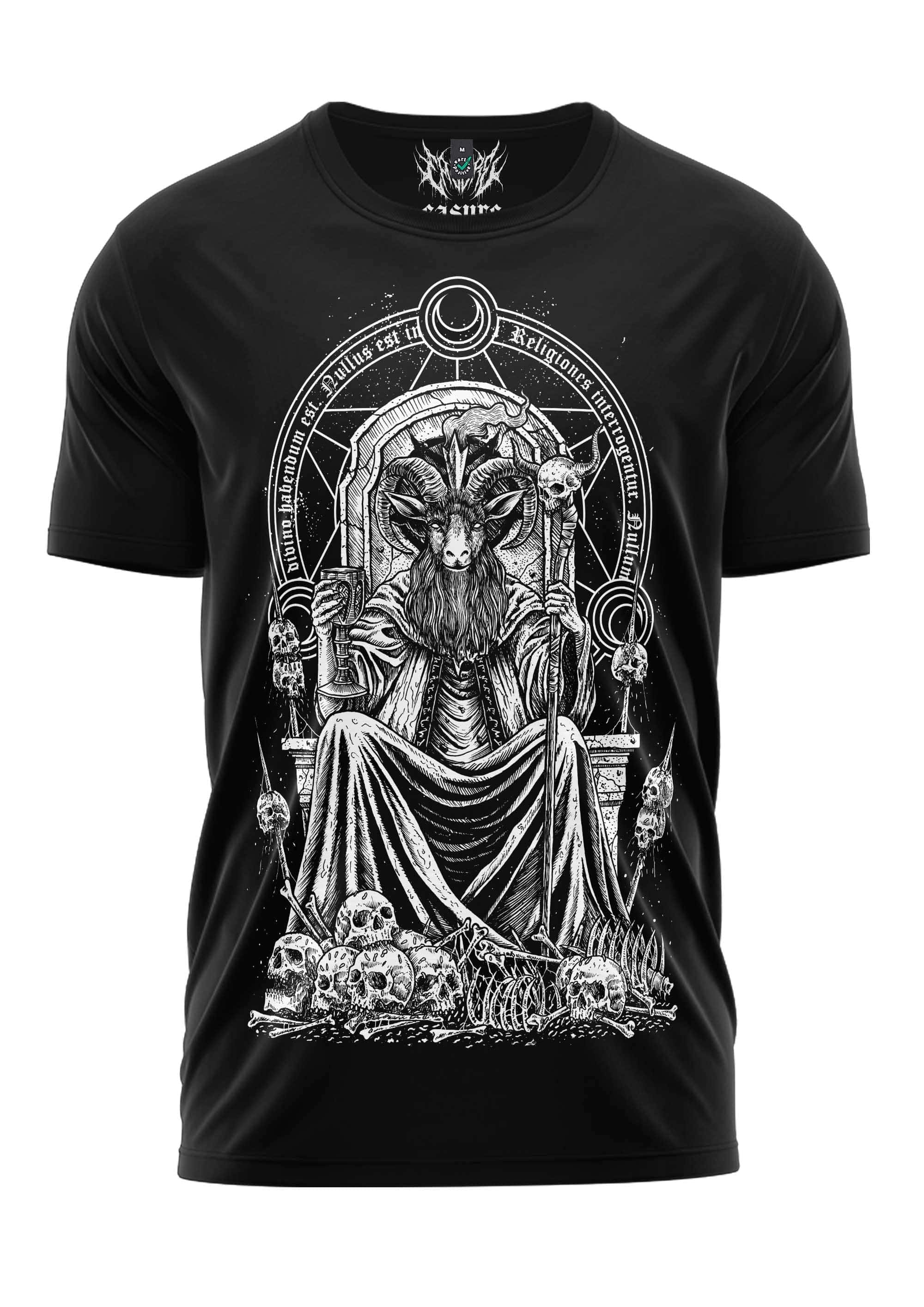
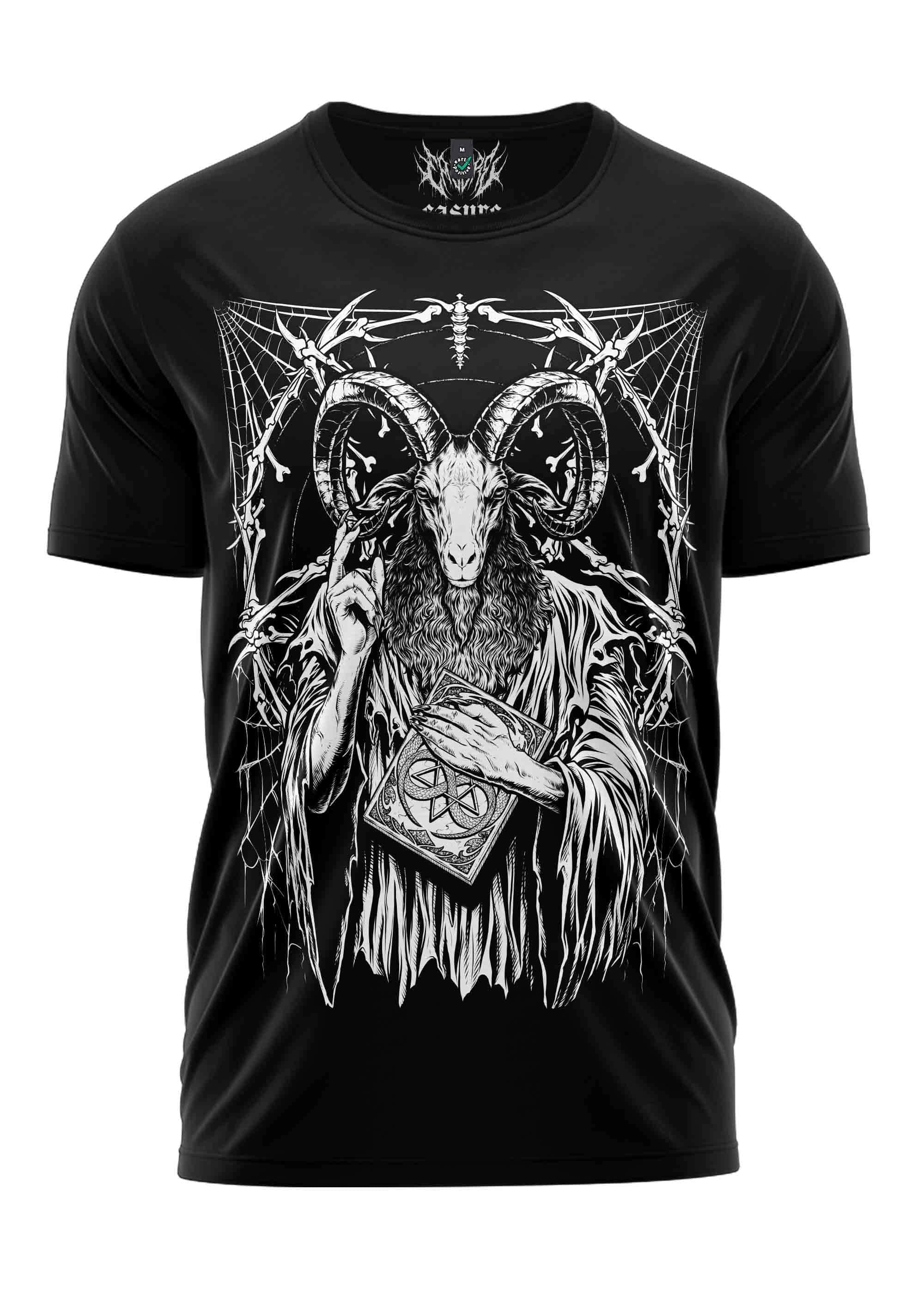
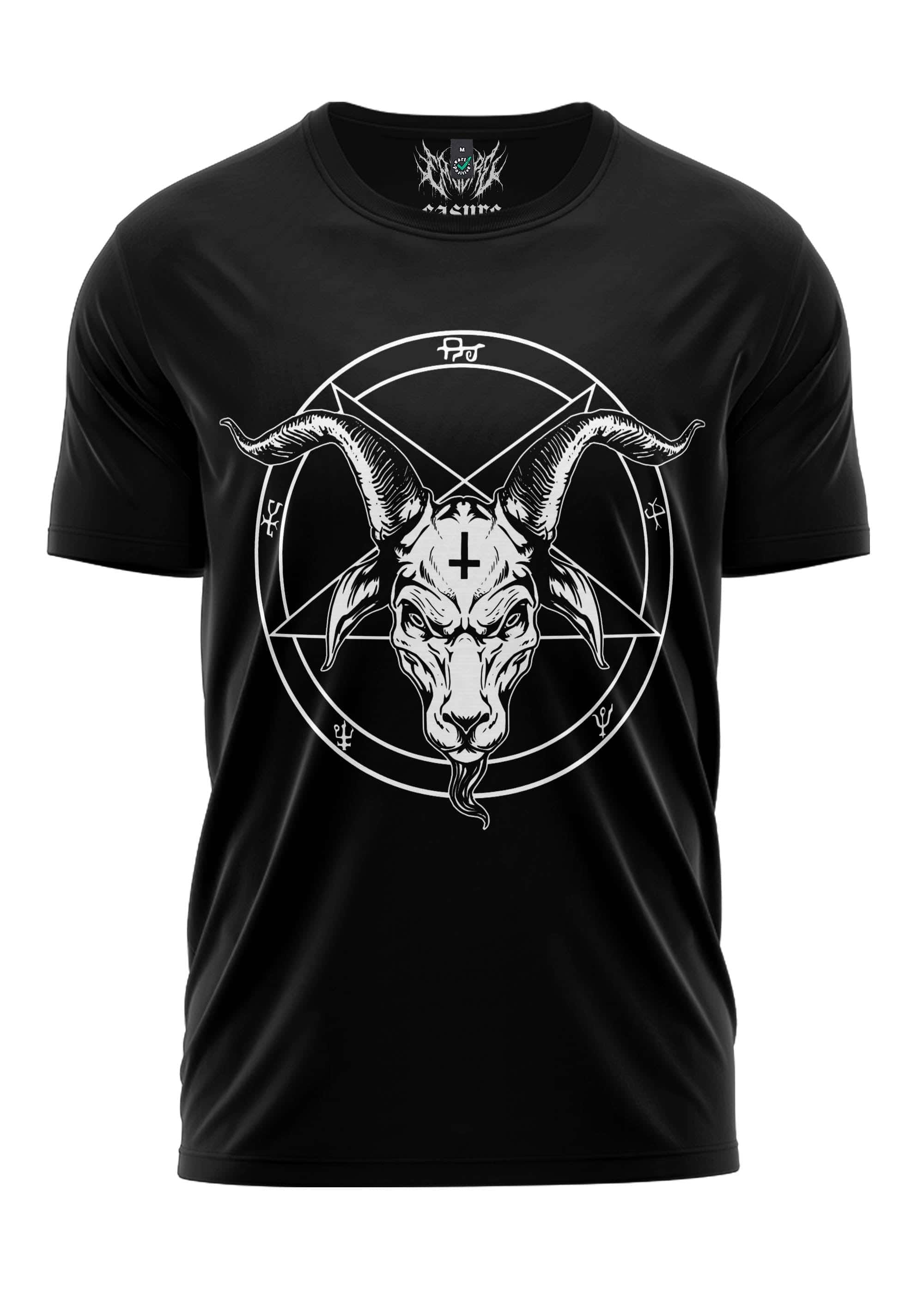
The symbolism used – such as the inverted pentagram or the figure of Baphomet – is deliberately provocative. It aims to question religious taboos and make existing power structures visible, not to conjure mystical forces.

Distinction from Myths and Misunderstandings

The Church of Satan clearly distances itself from illegal, violent, or extremist acts. Crimes, sacrificial practices, or coercion explicitly contradict its philosophy.

Many media portrayals wrongly conflate the Church of Satan with criminal individual cases or moral panics of past decades. Serious representatives of the organization consistently emphasize adherence to applicable laws and personal responsibility.

The Church of Satan Today

Even after LaVey's death in 1997, the Church of Satan continues to exist and still upholds his original principles. It does not see itself as a proselytizing religion, but as an organization for people who already identify with its philosophy.

Members come from a wide variety of social backgrounds. The influence of the Church of Satan is less evident in numbers than in its cultural impact – particularly in music, art, literature, fashion, and subcultures such as Gothic and Metal.

Church of Satan Germany: Are there structures here?

The search query "Church of Satan Germany" often appears because many are looking for local groups, meeting points, or legal status. According to its own statement, the Church of Satan does not operate as a traditional congregation with a dense network of branches. This also applies to Germany. Therefore, you won't find a broad landscape of official local churches. More visible are individuals, loose networks, forums, media reports, and cultural references in music, art, and fashion.

For German readers, this often leads to confusion with other Satanic or secular-provocative groups. The Church of Satan is not identical to The Satanic Temple. Both use Satanic symbolism but represent different priorities. The Church of Satan is strongly based on LaVey's philosophy. The Satanic Temple appears more politically active. Anyone doing serious research on the Church of Satan in German should clearly make this distinction.

Significance in Social Context

The Church of Satan continues to function as a conscious counterpoint to authoritarian forms of religion. It raises questions about individual freedom, personal morality, and the role of religion in secular societies.

Regardless of approval or rejection, it remains an important part of modern religious and cultural history – not as a spiritual movement, but as a philosophical statement for self-determination and critical thinking.

Fittingly