Gothic Fashion Styles
Meaning, Trends, and Dark Aesthetics
Gothic fashion combines dark aesthetics with individual expression, ranging from classic Victorian to modern Industrial.
Typical elements include black clothing, lace, leather, jewelry, and symbolic details that create a mystical and rebellious atmosphere.
Each Gothic style tells its own story of melancholy, elegance, and a fascination with the dark.
Fittingly
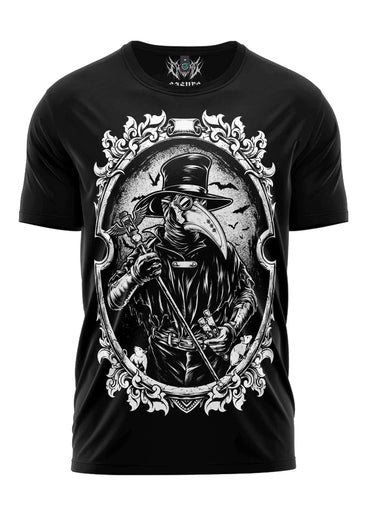
The Crow - Shirt
(3) 3 total reviews
5.0 / 5.0
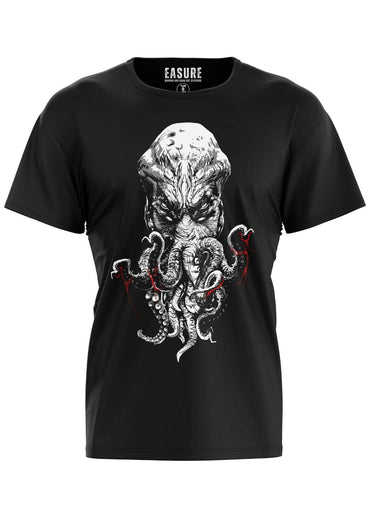
Immortal Cthulhu - Shirt
(1) 1 total reviews
5.0 / 5.0
The influence of the demon - Shirt
(2) 2 total reviews
5.0 / 5.0
Skull Sphynx - Girlie Shirt
Dead Bride - Girlie Shirt
Gothic Fashion Styles
The Most Important Looks of the Dark Scene
Gothic fashion styles stand for individuality, expression, and a unique aesthetic that deliberately sets itself apart from the mainstream. From romantically playful to dark and futuristic, Gothic fashion unites various sub-styles, all of which have their own influences, materials, and cultural backgrounds.
What are Gothic Fashion Styles?
Gothic fashion styles describe different clothing directions within the Gothic scene. They are based on music genres, historical eras, subcultures, and artistic movements that have evolved over the decades.
Typical features include dark colors, high-quality materials, striking accessories, and a strong focus on individuality. It's not just about clothing, but about a complete visual identity.
An Overview of the Most Important Gothic Fashion Styles
Romantic Goth
Romantic Goth is heavily inspired by Victorian fashion. Lace, velvet, ruffles, and elegant silhouettes characterize this style. It appears noble, melancholic, and timeless.
Victorian Goth
This style directly borrows from 19th-century fashion. Corsets, long dresses, and classic cuts are central, conveying a historical, aristocratic aesthetic.
Cyber Goth
Cyber Goth combines Gothic with futuristic elements. Neon colors, plastics, technical accessories, and industrial influences make this style particularly striking.
Industrial Goth
Industrial Goth is characterized by functional, often military-inspired outfits. Leather, metal, and robust materials dominate this look.
Gothic Punk
This style combines punk elements with Gothic fashion. Studs, leather jackets, ripped fabrics, and a DIY aesthetic are in focus.
Minimal Goth
Minimal Goth relies on reduced designs, clean lines, and monochrome outfits. Less is more – with a focus on form, structure, and details.
Influences and Development of Gothic Fashion
Gothic fashion developed from the post-punk movement of the 1980s and was heavily influenced by music genres such as Darkwave, Gothic Rock, and Industrial. At the same time, historical epochs, especially the Victorian era, play a central role.
Further influences include:
- Art and literature of Romanticism
- Horror aesthetic and film culture
- Subcultures such as Punk and Industrial
- Fetish and alternative fashion
- Music genres of the dark alternative scene
This diversity led to numerous Gothic fashion styles that are constantly evolving and being reinterpreted.
Why are Gothic Fashion Styles so Diverse?
The diversity of Gothic fashion styles lies in the open structure of the scene. There are no fixed rules – individuality and self-expression are central. Each style can be combined, adapted, or reinterpreted.
Frequently Asked Questions about Gothic Fashion Styles
What Gothic fashion styles are there?
Among the best known are Romantic Goth, Cyber Goth, Industrial Goth, Victorian Goth, Minimal Goth, and Gothic Punk.
What is typical for Gothic fashion styles?
Dark colors, striking materials, accessories, and a strong focus on individuality.
Where do Gothic fashion styles originate from?
They originated from the post-punk and Gothic music scene of the 1980s.
Can Gothic fashion styles be combined?
Yes, many styles can be combined and interpreted individually.
Who are Gothic fashion styles suitable for?
For everyone who wants to express themselves creatively and wear an individual, alternative look.