Count Orlok – Glossary & Meaning
Introduction
Count Orlok is one of the most influential figures in film history and is considered the archetype of the cinematic vampire. Known from the 1922 silent film classic Nosferatu – A Symphony of Horror, Count Orlok embodies a radically different portrayal of the vampire myth: not romantic, not seductive, but sickly, alien, and menacing. This glossary page explains the origin, meaning, motives, and cultural influence of the character in a structured, wiki-like format.
Origin and Context
Count Orlok was created as a legal circumvention. Since the film rights to Bram Stoker's Dracula were not available, names and details were changed. Despite these adjustments, Orlok is clearly recognizable as a variation of Dracula. After a lawsuit by the Stoker heirs, all copies of the film were supposed to be destroyed, but some survived – and made Count Orlok immortal.
The film is now considered a milestone of German Expressionism and Gothic aesthetics.
Physical Appearance
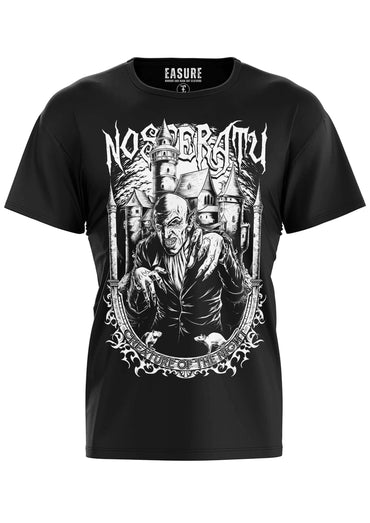
Count Orlok differs drastically from later vampire depictions:
-
Bald
-
Pointed ears
-
Rat-like incisors
-
Stiff, unnatural movements
-
Claw-like hands
This design emphasizes illness, death, and decay. The vampire is not an elegant aristocrat, but a living plague.
Glossary of Central Terms and Motifs
Nosferatu
An ancient term for vampire figures, probably of Eastern European origin. In the film, Nosferatu is depicted as a death-bringing creature.
Vampirism
In Count Orlok, less erotic than parasitic. Blood does not stand for seduction, but for wasting and death.
Plague Symbolism
Orlok brings rats and disease to the city. The vampire functions as an allegory for epidemics and social decay.
Shadow Motif
Famous is the scene where Orlok's shadow creeps up a staircase. The shadow becomes an independent threat – a central motif of Expressionist horror.
Expressionism
An art and film movement that visually exaggerates inner states. Distorted architecture, harsh contrasts, and symbolic images characterize Nosferatu.
Alienation
Count Orlok embodies the radically Other. He is an intruder who does not belong to society and destroys it from within.
Character Analysis
Count Orlok barely speaks and shows no human emotions. His presence is mechanical and compulsive. He follows an inner drive, not a moral or romantic motive. This makes him seem inevitable – like a natural disaster.
Unlike later vampires, Orlok lacks any ambivalence. He is neither a tragic hero nor a seductive anti-hero, but pure threat.
Symbolic Meaning
Count Orlok is often interpreted as:
-
Symbol of death and illness
-
Allegory of societal anxieties of the Weimar Republic
-
Representation of the subconscious
-
Embodiment of epidemics, war traumas, and alienation
Especially the connection between vampirism and plague sets Nosferatu apart from other works.
Count Orlok vs. Dracula
| Aspect | Count Orlok | Dracula |
|---|---|---|
| Depiction | Monstrous | Aristocratic |
| Eroticism | None | Strongly present |
| Symbolism | Disease, death | Seduction, power |
| Humanity | Almost none | Partially |
Count Orlok thus marks a distinct lineage of the vampire myth.
Cultural Influence
Count Orlok profoundly influenced:
-
Horror film aesthetics
-
Gothic subculture
-
Dark Art & Illustration
-
Industrial and Darkwave visuals
Later vampire portrayals repeatedly draw, consciously or unconsciously, on Orlok's imagery, especially in minimalist or avant-garde works.
Modern Figure
Today, Count Orlok is considered a cult figure. His silhouette is instantly recognizable and frequently cited in art, fashion, and design. Especially in the Gothic milieu, Orlok stands for "pure horror" beyond romantic idealization.
Conclusion
Count Orlok is more than a vampire figure. He is a symbol of fear, death, and the uncanny itself. As an archetype of cinematic horror, he remains relevant to this day and profoundly shapes the visual language of the Gothic genre. This glossary provides a well-founded, SEO-optimized basis for information, culture, or shop pages with a Gothic focus.
Fittingly
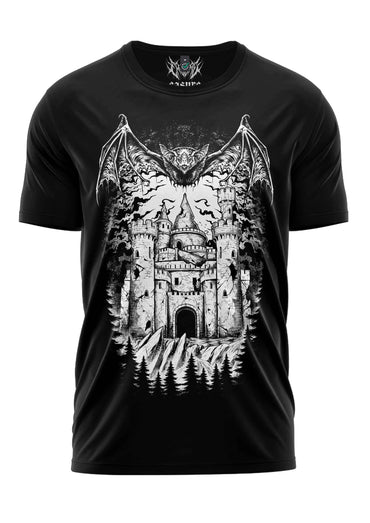
Vampires Castle - Shirt
(1) 1 total reviews
5.0 / 5.0
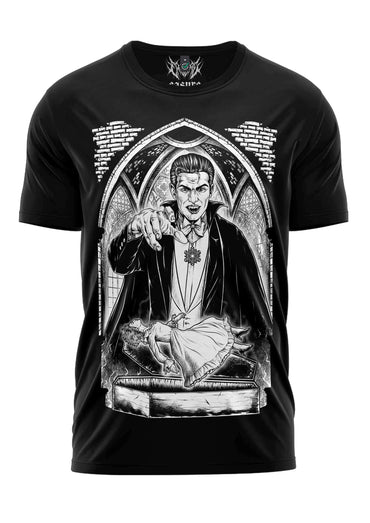
Dracula - Shirt
Nosferatu - Shirt
(1) 1 total reviews
5.0 / 5.0
Vampire now - Shirt
(1) 1 total reviews
5.0 / 5.0