Lilith – Night & Seduction Demon: Meaning & Myth
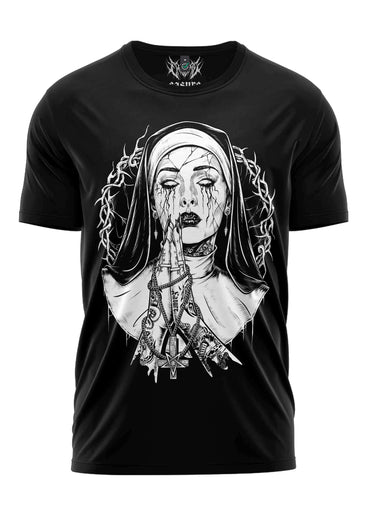
Lilith – Demon of the Night & Seduction

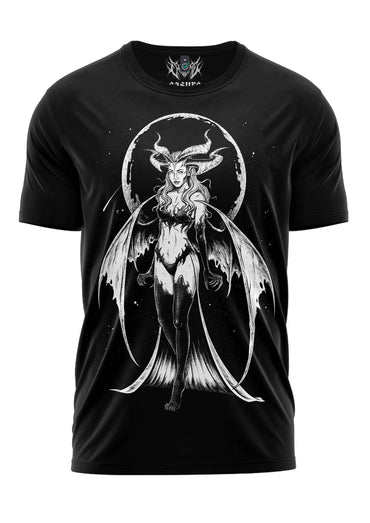
is one of the most well-known and fascinating figures in demonology. She is considered a demon of the night and seduction, a symbol of primal female power, independence, and dark sensuality. Her history stretches back – to the earliest myths of humanity.

Origin & Mythology

Lilith's origins lie in Mesopotamian mythology. There, she appears as a nocturnal demon associated with wind, sexuality, and chaos. Later, Lilith became known in Jewish traditions as Adam's first wife, who refused to submit to him.

Because of this rebellion, she left Paradise and was declared a demon – a motif that still characterizes Lilith as a symbol of freedom and self-determination today.

Meaning of Lilith

Lilith symbolically represents:

  • female autonomy
  • sexual self-determination
  • rebellion against patriarchal order
  • dark femininity and shadow aspects

In many modern interpretations, Lilith is no longer seen as an evil being, but as a powerful archetypal figure who embodies repressed aspects of the self.

Lilith in Occultism

In occultism, Lilith is often associated with:

  • night
  • moon energy
  • hidden desires
  • transformation

She is considered a mirror of the unconscious and a guardian of forbidden knowledge. In rituals, symbolism, and astrology, Lilith often represents inner shadows and repressed power.

Lilith in Gothic & Dark Culture

In the Gothic scene, Lilith is a strong symbol for:

  • dark aesthetics
  • empowerment
  • non-conformity
  • erotic mysticism

She appears in art, music, tattoos, jewelry, and fashion – often as a sign of conscious dissociation from societal norms.

Conclusion

Lilith is much more than a demon. She is a myth, an archetype, and a powerful symbol of freedom, sensuality, and dark self-empowerment. This is precisely why she continues to fascinate people who feel connected to occultism, Gothic culture, and the dark side of mythology.

Fittingly