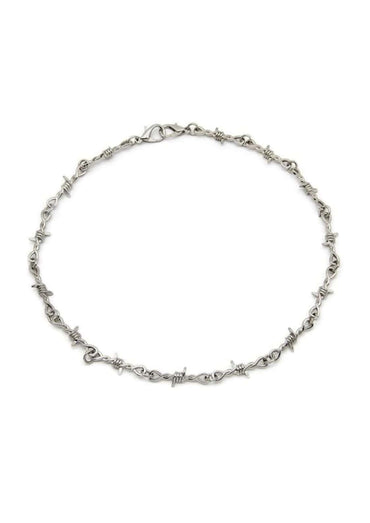
Materials science: Stainless steel

Robust. Skin-friendly. Timeless.

Stainless steel is one of the most popular materials for jewelry and accessories. It impresses with its high resistance, corrosion resistance, and modern look. Especially in the Gothic and alternative scene, stainless steel stands for clear lines, durability, and uncompromising quality.

What is stainless steel?

Stainless steel is an iron-based alloy that becomes particularly rust-proof, hard, and easy to care for through the addition of chrome. In jewelry manufacturing, 316L stainless steel – also known as surgical steel – is mostly used.

This material is ideally suited for jewelry worn directly on the skin.

Properties & Advantages of Stainless Steel

  • Rust-proof & corrosion-resistant
  • Very durable & dimensionally stable
  • Scratch-resistant & resilient
  • Skin-friendly & nickel-free (with high-quality stainless steel)
  • Easy to clean
  • Timeless, cool look

Stainless steel is perfect for jewelry that is worn daily and should look good permanently.

Applications of Stainless Steel

Stainless steel is often used for:

  • Chains & necklaces
  • Rings
  • Bracelets
  • Piercing jewelry
  • Pendants
  • Gothic & Industrial jewelry

In the Gothic scene, stainless steel is valued because it is robust, can be combined with dark colors, and is stylistically versatile.

Care & Cleaning of Stainless Steel

Stainless steel is extremely easy to care for:

  • Clean with a soft cloth
  • For heavier soiling: warm water & mild soap
  • Dry thoroughly
  • No aggressive cleaning agents needed

The shine is maintained even with regular use.

Stainless Steel & Responsibility

Stainless steel is:

  • Very durable → long lifespan
  • Recyclable
  • Resistant to environmental influences

Due to its durability, stainless steel is a conscious choice for jewelry that does not need to be replaced constantly.

Fittingly