Materials science: Enamel
Expressive. Vibrantly colored. Timeless.
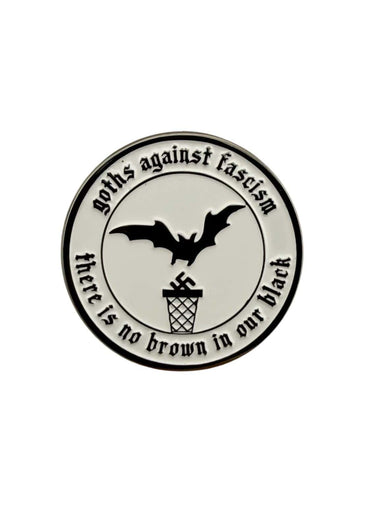
Enamel is a glass-like coating applied to metal and fired at high temperatures. It gives jewelry and accessories intense colors , smooth surfaces , and a durable finish . Enamel is particularly valued in the Gothic and alternative subcultures for its high-contrast designs , symbolism , and graphic accents .
What is enamel?
Enamel is molten glass permanently bonded to a metal base (e.g., stainless steel, copper, brass, or zinc alloys). The firing process creates a hard, colorfast surface that has a high-quality appearance and precisely highlights details.
Properties & Benefits of Enamel
- Color-intense & brilliant
- Smooth, closed surface
- Scratch and abrasion resistant (when used properly)
- Durable & dimensionally stable
- Ideal for symbols, patterns & contrasts
- Timeless look
Enamel is ideally suited for jewelry where color and attention to detail are paramount.
Applications of enamel
Enamel is frequently used for:
- Pendants & Amulets
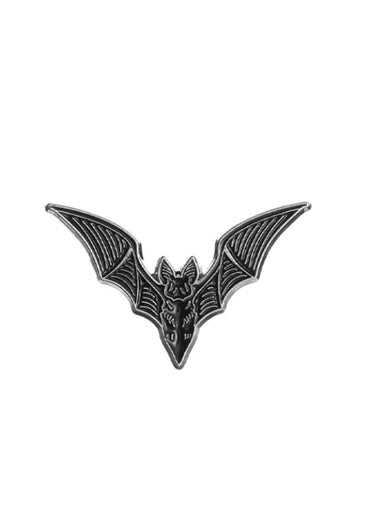
- Pins & Badges
- Rings (decorative elements)
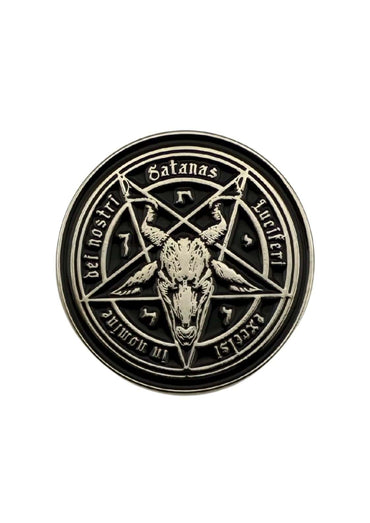
- Gothic & Occult Jewelry
- Decorative elements with color contrasts
In the Gothic scene, enamel is often used to combine dark metals with strong color accents .
Care & Cleaning of Enamel
Enamel is easy to care for, but should be treated gently:
- Clean with a soft, dry cloth
- Avoid bumps and hard blows
- No harsh cleaning agents
- Store in a dry place
This keeps the surface smooth and color-intense for a long time.
Enamel & Responsibility
Enamel:
- Increases the durability of jewelry surfaces
- It protects the metal from external influences.
- Is resource-saving refinement possible for long-term use?
The focus is on consciously chosen materials and durable workmanship.