Materials science: Zinc
Versatile. Malleable. Suitable for everyday use.
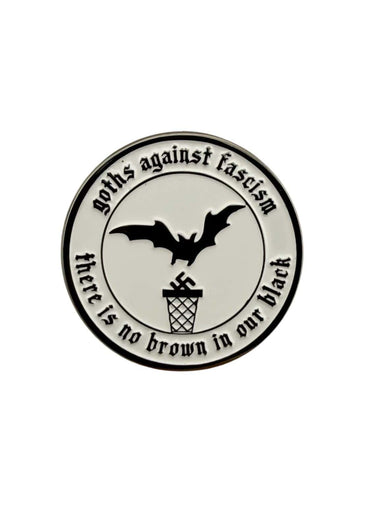
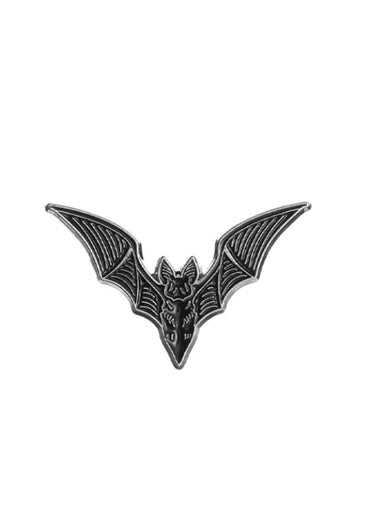
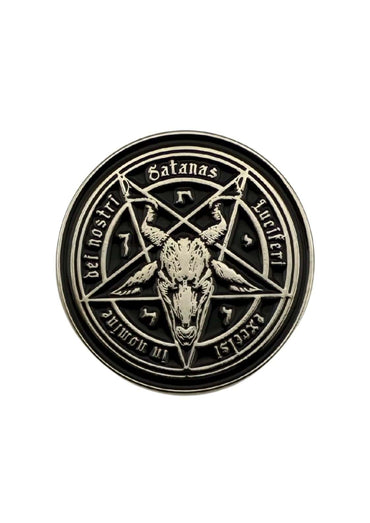
Zinc is a commonly used metal in jewelry and accessories. Zinc alloys, in particular, are valued for their malleability , attention to detail , and attractive surface finish . In Gothic and alternative fashion, zinc is often used for symbolic, intricate designs.
What is zinc?
Zinc is a metallic element that is most often used in jewelry making as a zinc alloy . Mixing it with other metals creates a material that is more stable, durable, and better suited for everyday use.
Zinc alloys allow for complex shapes and fine details that would be difficult to achieve with harder metals.
Properties & Benefits of Zinc
- Highly malleable – ideal for detailed designs
- Lightweight – comfortable to wear
- Cost-efficient with good optics
- Versatile finishing options (silver, black, antique)
- Suitable for jewelry & accessories
- Nickel-free (in high-quality alloys)
Zinc is particularly popular for designs where symbolism and appearance are paramount.
Applications of zinc
Zinc is frequently used for:
- Pendants & Amulets
- Chain elements
- Rings (decorative)
- Gothic & Occult Jewelry
- Accessories with symbols & ornaments
In the Gothic scene, zinc is ideally suited to dark, antique and mystical designs .
Care & Cleaning of Zinc
Zinc alloys are easy to care for, but should be handled gently:
- Clean with a soft, dry cloth
- Avoid contact with water and moisture as much as possible.
- No harsh cleaning agents
- Store in a dry place
This way, the surface remains beautiful and detailed for a long time.
Zinc & Responsibility
Zinc is:
- Long-lasting with proper care
- Recyclable
- Widely used and resource-efficient
In the form of durable jewelry, zinc is a functional and conscious choice of material .