Materials science: Tin

Mystical. Malleable. Expressive.

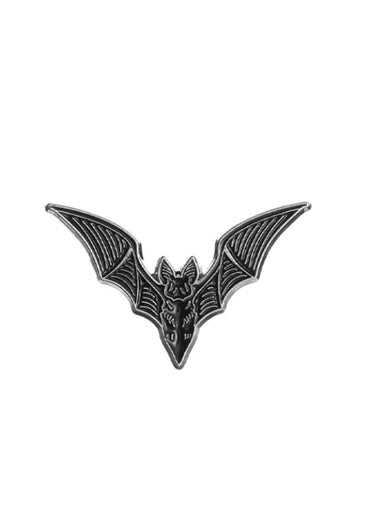
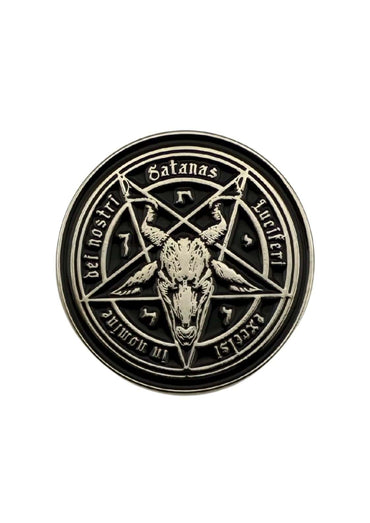
Pewter is a traditional metal particularly valued in Gothic, occult, and alternative jewelry . It allows for intricate designs , an antique look , and strong symbolism. Due to its malleability, pewter is ideally suited for pendants, amulets, and artistic jewelry elements.

What is tin?

Tin is a soft, silvery-gray metal that has been used for centuries in jewelry, crafts, and religious objects. In jewelry making, tin alloys are most commonly used to increase durability and suitability for everyday wear.

Tin is known for its ability to precisely depict fine details – ideal for symbols, runes and occult motifs.

Properties & Benefits of Tin

  • Highly malleable – ideal for delicate designs

  • Detailed processing possible

  • Lightweight metal – comfortable to wear

  • Antique, matte look

  • Perfect for symbolic jewelry

  • Nickel-free (in high-quality alloys)

These properties make tin particularly popular for amulets, pendants and Gothic jewelry with artistic aspirations.

Applications of tin

Tin is commonly used for:

  • Pendants & Amulets

  • Necklaces

  • Occult & Gothic Jewelry

  • Symbolic & Rune Jewelry

  • Detailed decorative elements

Especially in the Gothic scene, tin is valued because it supports a dark, mystical aesthetic .

Care & Cleaning of Tin

Tin is easy to care for, but should be treated gently:

  • Clean with a soft, dry cloth

  • No harsh cleaning agents

  • Store in a dry place

  • Do not subject to strong pressure

This way, the surface remains beautiful and detailed for a long time.

Tin & Responsibility

Tin is:

  • Long-lasting with proper care

  • Recyclable

  • A proven material with a long tradition

Due to its durability, tin is suitable for jewelry that is worn for a long time and used consciously.