Satan – Meaning, Origin, and Symbolism

Brief Definition

Satan is a symbolic or religious figure often associated with opposition, temptation, and rebellion against divine order.

Brief Explanation

The term Satan originates from religious texts and originally referred to an "adversary" or "accuser." Today, Satan is often interpreted as a symbol of rebellion, individualism, or evil.

What is Satan?

Satan is a central figure in various religions and mythologies, particularly in Christianity, Judaism, and Islam. Derived from the Hebrew "śāṭān," the term means "adversary" or "accuser" and describes a role, not necessarily a concrete person.

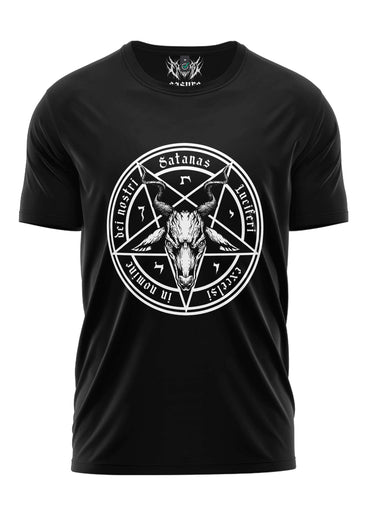
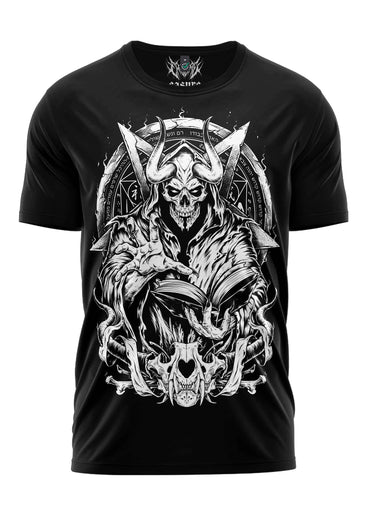
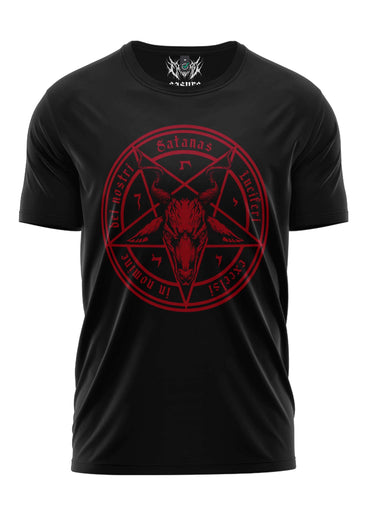
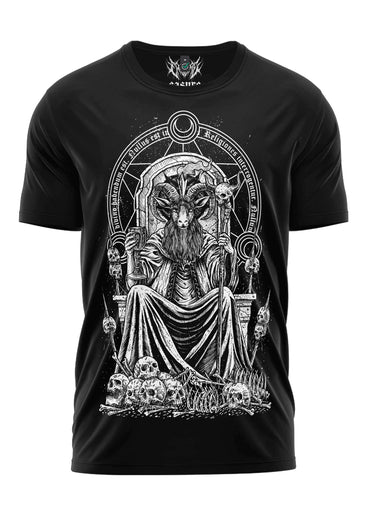
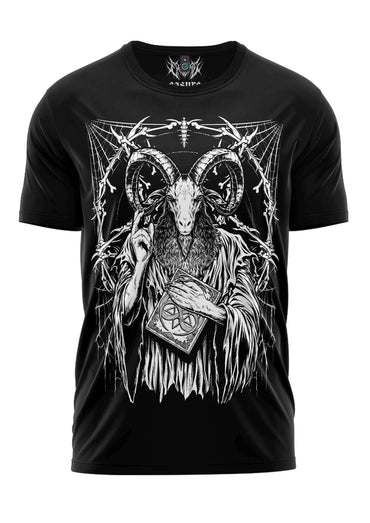
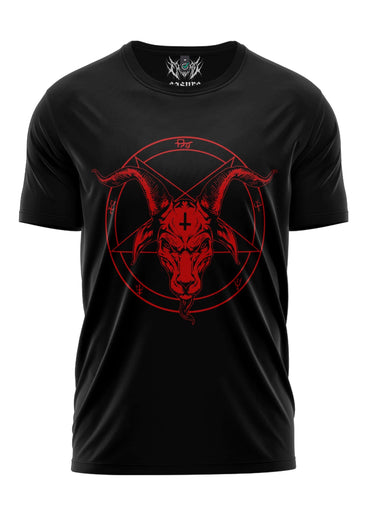
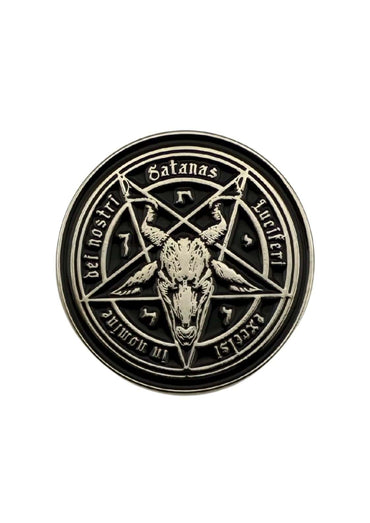
In religious contexts, Satan is often depicted as a fallen angel who rebelled against God. In Christian tradition, Satan often represents personified evil, temptation, and moral testing. At the same time, the meaning has changed significantly over time: In modern culture, art, and subcultures – especially in the Gothic and Metal scenes – Satan is often interpreted as a symbol of freedom, individualism, nonconformity, and resistance to authority.

Even in philosophical and literary works, Satan is not only portrayed negatively but sometimes as a figure with complex motivations, representing self-determination and critical thinking. As a result, the term has evolved from a purely religious figure into a multifaceted cultural symbol.

Frequently Asked Questions (FAQ)

What does the term Satan originally mean?
The term comes from Hebrew and means "adversary" or "accuser."

Is Satan always an evil figure?
Mostly yes in religious contexts, but in modern culture, Satan can also stand for rebellion and freedom.

What role does Satan play in Christianity?
Satan is often depicted as a fallen angel who rebelled against God and embodies evil.

Why is Satan used in the Gothic scene?
There, he often serves as a symbol for individuality, counter-culture, and rejection of societal norms.

Are there different representations of Satan?
Yes, the representation varies greatly depending on the religion, era, and cultural context.

Fittingly