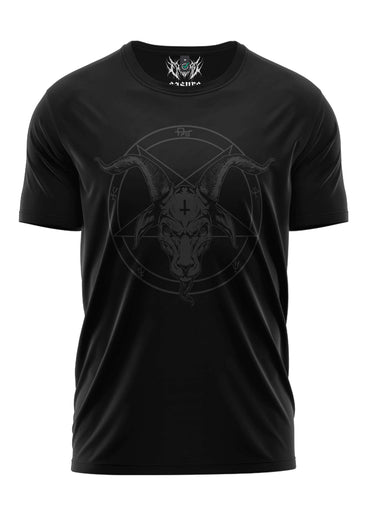
Vegan - Gothic fashion: how to live sustainable dark art styles
Vegan. A word you see daily on food packaging, in Instagram feeds, at festival booths, and in discussions about climate and animal ethics. For us at Easure, vegan means far more than a trend: It describes a lifestyle that avoids animal suffering, conserves resources, and still leaves room for dark art, metal, and gothic aesthetics in everyday life.
In this glossary entry, we will guide you through veganism from the ground up – linguistically, historically, ethically, in terms of health, and in the context of clothing, cosmetics, and Gothic lifestyle.
What does "vegan" mean in German?
At its core, veganism describes a lifestyle in which you consistently abstain from products of animal origin – not only in food, but, depending on personal preferences, also in clothing, cosmetics, decorations and everyday products.
Short definition:
Eating vegan means consuming no animal products, so no meat, fish, milk, eggs, honey, gelatin, animal fats or hidden animal additives.
Living vegan : additionally, no leather, fur, wool, silk, feathers and no products that have been tested on animals or contain animal components.
In everyday life, “vegan” appears both as an adjective (“vegan diet”, “vegan leather”, “vegan chocolate”) and as a noun (“vegan”, “vegan woman”).
What are vegan and vegetarian – what is the difference?
Vegetarian : no meat and no fish, but dairy products, eggs and often honey.
Vegan : no meat, fish, milk, eggs, honey, or other animal products.
You can remember it like this: Every vegan diet is vegetarian, but not every vegetarian diet is vegan.
Vegan – Etymology and linguistic history
The word "vegan" is relatively new, but the idea behind it is old.
Origin of the word
The term originated in England in the 1940s. Activist Donald Watson , founder of the Vegan Society, was looking for a word for people who went further than vegetarians and consistently rejected all animal products . He took the beginning and end of the word "vegetarian"—vegetan —and formed vegan . ( dictionary.com )
Since then, "vegan" has internationally stood for a strict form of vegetarianism that also excludes milk, eggs and other animal products.
What does "vegan" mean in German?
In German usage, "vegan" includes:
Diet without animal products
Products without animal ingredients
A lifestyle that avoids animal suffering , as far as is practicable.
From this developed the noun "veganism" —the philosophical and practical attitude behind the vegan lifestyle. ( de.wikipedia.org )
Veganism – more than just nutrition
Veganism as an ethic
Veganism describes not just a diet , but an ethical position : animals are not considered commodities, resources or decorations, but sentient beings with their own value.
Many vegans reject products and practices that exploit or kill animals, for example:
Animal husbandry in industrial agriculture
Animal testing for cosmetics and household products
Leather fashion and fur
Circuses with animals, dolphinariums and similar attractions
From this perspective, veganism acts like an everyday boycott of animal exploitation – you make choices with every purchase that reflect your attitude.
Forms of veganism
Various terms appear in everyday life:
Nutritional vegan / plant-based : The focus is on nutrition – someone eats vegan, but might still wear leather boots.
Ethical veganism : diet, clothing, cosmetics, leisure activities – everything is consistently geared towards avoiding animal suffering. ( en.wikipedia.org )
Environmentally or health-motivated veganism : Motivation arises primarily from climate, resource or health reasons; the ethical dimension often grows over time.
For us at Easure, veganism is always also a question of attitude : When we choose PU leather chokers or vegan textiles, it fits our idea of Gothic: dark, nonconformist, but not at the expense of the weakest .
Vegan labels: How can you recognize vegan products?
You're standing in front of the shelf, the festival food truck smells delicious, a new choker is flashing at you online – and you ask yourself: "Is that vegan?"
Well-known vegan labels
There are various markings that can help you:
Seal/term
What it roughly means
V-Label (vegan)
An internationally used label that identifies vegan food products.
Vegan Flower (The Vegan Society)
British seal for products without animal ingredients and without animal testing.
"Vegan" without an official seal
Manufacturers label a product as vegan, often according to their own criteria.
Biocyclic vegan / organic vegan
Agriculture without animal husbandry and without animal manure. ( de.wikipedia.org )
Important: "Vegan" is not an official EU organic label. Some vegan claims are based on self-reported information from manufacturers.
Legal definition of vegan food
In Germany, the Conference of Consumer Protection Ministers has defined what "vegan" means in relation to food since 2016. In short:
A food product is considered vegan if neither ingredients nor processing aids of animal origin are used at any stage of production. This includes seemingly insignificant substances such as gelatin as a clarifying agent or animal-derived carriers in flavorings. ( de.wikipedia.org )
In practice, this means for you:
Check the ingredient list
Look for seals
If unsure, ask the manufacturer.
Is veganism healthy?
The question " Is veganism healthy? " comes up in almost every discussion. The honest answer: Veganism can be very healthy – if you plan your diet well.
Assessment by professional societies
The German Nutrition Society (DGE) now considers a well-planned vegan diet for healthy adults to be possible and beneficial, for example, in terms of fiber, phytochemicals, and saturated fatty acids. However, it recommends particularly careful planning and supplementation for certain groups, for example, regarding vitamin B12. ( dge.de )
Potential benefits of a vegan diet
Studies link vegan-influenced diets to, among other things:
more favorable body weight
lower LDL cholesterol
reduced risks for certain cardiovascular diseases
higher intake of fiber and many vitamins ( dge.de )
These effects depend heavily on the type of vegan diet: vegetables, legumes, whole grains and nuts form a different profile than daily ready-made burgers and sugar bombs.
Potential nutrient deficiencies
An unplanned vegan diet is more likely to lead to deficiencies, especially in:
Vitamin B12
Vitamin D
iodine
Omega-3 fatty acids (long-chain)
Iron , zinc , calcium
Vegans therefore often rely on:
fortified foods
specifically selected plant sources
Dietary supplements (especially B12)
For you, this means: A vegan diet can be healthy if you do your research, get your blood work done, and make conscious food choices. Close medical supervision is essential during special life stages such as pregnancy, breastfeeding, or when raising children. ( dge.de )
Vegan lifestyle: more than just food
Living vegan often means questioning one's entire consumption habits . Many people starting out with veganism begin with their diet and quickly realize: clothing, cosmetics, festival merchandise – animals are involved in everything.
Veganism in everyday life
A vegan lifestyle often includes:
Clothing without leather, fur, wool, silk, down
Shoes and accessories made from synthetic leather or innovative plant-based materials
Cosmetics without animal ingredients and without animal testing.
Avoid leisure activities involving animals
Focus on plant-based, resource-saving products
Especially in the Gothic and alternative scene, these decisions fit surprisingly well: Many motifs play with death, bones, Baphomet, demons and darkness – without needing real animal blood, real bones or real leather .
At Easure, we therefore focus specifically on vegan and sustainable alternatives , such as PU leather chokers in categories like Gothic chokers and BDSM chokers made of PU leather , chokers made of BioThane, or hand-printed organic textiles that support your dark art look without requiring animal skin on your skin.
Veganism in Gothic fashion: faux leather, organic cotton and dark identity
Vegan materials in a Gothic context
If you live a vegan lifestyle but still love belts, chokers, boot vibes and fetish aesthetics , you need knowledge about materials:
Common vegan materials in clothing and accessories:
Organic cotton – the basis of many shirts and hoodies, breathable and more resource-efficient than conventional cotton.
PU-synthetic leather – ideal for chokers, bracelets, belts; brings the look of leather without animal hides.
Synthetic fibers such as polyester, elastane, polyamide – useful if you need function, stretch or special structures in the fabric.
Metal – stainless steel, zinc alloys and other metals for jewelry, rings, chains and pins.
In our collections of Gothic clothing and accessories , we place great importance on offering vegan options – for example, in areas such as Gothic clothing , Gothic jewelry , or Gothic chokers . This way, your look matches your attitude.
Why veganism makes sense for many Goths
The Gothic subculture revolves around:
Awareness of transience
Criticism of superficiality and mass culture
Sensitive perception of suffering, death, and exclusion
For many Gothic fans, this aligns with a lifestyle that consciously reduces animal suffering, conserves resources, and doesn't blindly follow consumerism. Living vegan reinforces your dark identity : you wear symbols of death and night – and at the same time choose to cause less suffering.
Vegan products: food, fashion, cosmetics
If you search for " vegan products ", you'll stumble across several worlds:
Groceries
Clothing and shoes
Jewelry, accessories, home decor
cosmetics and drugstore items
Veganism in the food world
Examples of naturally vegan foods:
Fruits, vegetables, legumes, grains, nuts, seeds
Vegetable oils, herbs, spices
Many bread and pasta products (depending on the recipe)
When grocery shopping, look for vegan labels and check the ingredient list. Features like "vegan shelves" in supermarkets or dedicated sections on online platforms (for example, the "vegan food" category on major retailers) demonstrate the rapid growth of the vegan market. ( de.wikipedia.org )
Veganism in the fashion world
This is often where "vegan" diverges from "organic" or "fair trade":
Vegan : no leather, no wool, no fur, no silk, no animal-derived ingredients in dyes or adhesives.
Gothic fashion : additionally, special aesthetics, motifs and cuts.
At Easure, we combine these levels where it fits: hand-printed organic cotton , vegan materials and dark art prints with symbolism from Baphomet to the Grim Reaper to the Tarot – you can find this, for example, in our Easure organic cotton shirts or Easure hoodies collections.
This is how you combine vegan lifestyle, sustainability and Gothic identity in one outfit.
Vegan cosmetics: cruelty-free and without animal ingredients
Vegan in cosmetics means:
no animal ingredients (e.g. beeswax, lanolin, carmine, collagen, keratin of animal origin)
often, additionally , no animal testing is permitted.
Important: “Cruelty-free” does not automatically mean “vegan”, and “vegan” does not automatically mean “cruelty-free”, even though many brands combine both.
When buying hair dyes, make-up or care products – such as bright hair dyes like Directions, which are popular in alternative scenes – pay attention to:
Vegan seal
Information on animal testing
Avoid ingredient lists (carmine, beeswax, etc.)
At Easure you will find hair color products and guides that will help you create your vegan and striking looks without using animals in the dye pot.
Vegan Wikipedia & knowledge sources – why a glossary entry?
Those who Google "vegan" often end up on Wikipedia , large NGOs, nutrition portals, or environmental organizations. These sources provide a lot of information:
historical development
health studies
Climate and resource figures
legal definitions
What's often missing: An approach that reflects your scene, your style, and your reality as a Gothic fan.
That's precisely why this glossary entry exists: It combines well-founded information about veganism with what you experience on Easure – dark art, horror culture, festivals, club nights and alternative fashion that matches your values.
If you want to delve deeper into the cultural side of the scene, it's worth taking a look at our blog, where you can see how lifestyle, art and attitude come together.
Veganism and sustainability: climate, resources, animals
A common reason for switching to a vegan diet is the focus on the environment and climate .
The production of animal-based foods consumes:
large areas for animal feed
many resources (water, energy)
leads to emissions such as methane and nitrous oxide
A plant-based diet often significantly reduces these burdens. Many environmental organizations recommend vegan or at least predominantly plant-based diets as a way to lower one's personal ecological footprint. ( de.wikipedia.org )
Furthermore, organic vegan agriculture not only eliminates chemical-synthetic agents, but also animal fertilizers such as manure, horn shavings, or blood meal, and produces food without livestock farming . ( de.wikipedia.org )
For you as a consumer, this means that by making vegan choices you often simultaneously relieve the burden on the climate, soil and animals .
Veganism in everyday life: Getting started and potential pitfalls
A vegan lifestyle rarely develops overnight. Many start with "Veganuary," the international awareness month in January that encourages people to try a vegan diet. Participation grows every year, demonstrating how firmly the vegan lifestyle has entered the mainstream of society. ( en.wikipedia.org )
Typical steps towards a vegan lifestyle
Raising awareness : Documentaries, books, posts from the scene – the emotional and rational debate begins.
Dietary change : First at home, later in canteens, restaurants, at festivals.
Product check : cosmetics, cleaning products, clothing, accessories – everything is mentally put to the test.
Community connection : Exchange with other vegans, recipes, tips, support.
Fine-tuning : blood values, supplements, more sustainable products, bio-vegan options.
Especially in subcultures like the Gothic scene, where nonconformity and independent thinking are valued, this process often takes place consciously and reflectively – you question familiar patterns and build your own consistent style.
What is vegan – examples from food, fashion and the scene
Concrete examples help to make "vegan" tangible.
Examples: What is vegan, and what is not?
Food (simplified):
Vegan : Vegetable curry with coconut milk, lentil soup, hummus, oat cappuccino, falafel wrap, pasta with tomato sauce without cheese.
Not vegan : cheese pizza, scrambled eggs, milk chocolate, honey-mustard dressing, yogurt, gummy bears with gelatin.
Fashion & Accessories:
Vegan : Organic cotton shirt with dark art print, PU choker, stainless steel jewelry, fabric bag, faux leather belt.
Not vegan : leather shoes, wool coat, silk scarf, down jacket.
On Easure you can find many of these vegan fashion examples, including in the areas of Gothic clothing and Gothic accessories – from T-shirts to chokers that allow you to make your statement without animal products.
FAQ about vegan
Is veganism healthy?
A well-planned vegan diet supports your health, provides plenty of fiber, vitamins, and phytochemicals, and helps reduce certain lifestyle diseases. At the same time, you need to pay attention to critical nutrients like vitamin B12, vitamin D, iodine, and iron. Professional organizations emphasize that a vegan diet works for adults if you are well-informed, eat a varied diet, and ensure adequate intake of nutrients like B12 . This shifts the question from "Is veganism healthy?" to: How can you make your vegan lifestyle a sensible choice? ( dge.de )
What exactly does vegan mean in German?
"Vegan" means that no animal products are used – neither in food nor, depending on personal commitment, in clothing, cosmetics, or everyday products. A vegan diet excludes meat, fish, eggs, milk, honey, and all hidden animal-derived ingredients. A vegan lifestyle goes further and also avoids leather, wool, fur, silk, and products tested on animals. The overarching term "veganism" describes this ethic and practice.
What are vegan and vegetarian – what is the difference?
Vegetarians abstain from meat and fish but allow dairy products, eggs, and often honey. Vegans go a step further and exclude all direct and indirect animal products – from steak and cheese to gelatin and beeswax. So, if you want to know, "What is vegan and vegetarian?", one sentence helps: Vegetarians avoid animal bodies, vegans avoid animal bodies and animal products.
Is veganism always sustainable?
Veganism often reduces the ecological footprint because plant-based foods tend to require less land, water, and energy than animal products. Nevertheless, sustainability depends on production, transport, packaging, and cultivation methods . Organic vegan agriculture demonstrates how plant-based food production can function without animal husbandry and without chemical-synthetic fertilizers . Veganism thus provides a strong foundation for sustainability, but still requires conscious product choices. ( de.wikipedia.org )
Vegan labels – how can I recognize vegan products?
You can recognize vegan products by seals such as the V-Label ("vegan") or the Vegan Flower, as well as by clear labeling like "100% vegan" on the packaging. In Germany, resolutions from the Conference of Consumer Protection Ministers define when a food product is officially considered vegan, meaning it contains no ingredients or processing aids of animal origin. Additional labels exist for fashion and cosmetics, for example, for cruelty-free or certified vegan products. However, checking the ingredient list and manufacturer's information remains important. ( de.wikipedia.org )
Vegan: Etymology – where does the word “vegan” come from?
The word "vegan" originated in England in the 1940s. Donald Watson, co-founder of the Vegan Society, took the first and last letters of "vegetarian" and created "vegan." The aim was to linguistically distinguish the stricter form of vegetarianism —a lifestyle that excludes all animal products. Today, the term stands for veganism worldwide and can be found in many languages virtually unchanged. ( dictionary.com )
Can vegans eat bread?
Yes, as a vegan, you can eat many types of bread without hesitation , especially classic mixed and whole-grain breads made from flour, water, yeast or sourdough, and salt. Breads and rolls containing milk, butter, yogurt, eggs, lard, honey, or whey powder are problematic, as they are not vegan. In bakeries and supermarkets, you'll often find baked goods explicitly labeled as "vegan." A glance at the ingredient list or a quick question will help you identify vegan products with certainty.
https://www.veganleben.de/ – Information portal about vegan lifestyle, recipes and everyday tips. Recommended link in the section "Vegan in everyday life: Getting started and pitfalls".
https://www.peta.de/veganleben/vegan-definition/ – Animal rights organization with a definition of veganism and practical introductory information. Recommended link near the definition in the first third of the text.