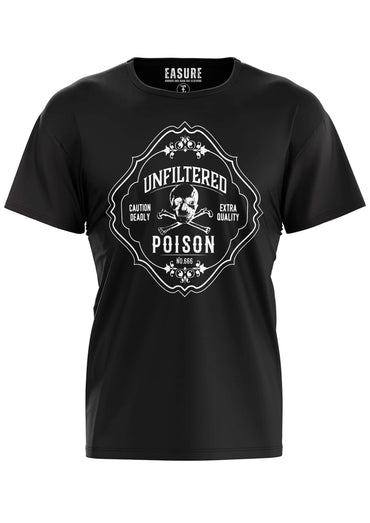
Are you fascinated by Wicca because witches, witchcraft, rituals, and nature magic have long been on your mind? In this glossary entry, we at EASURE explain in detail what constitutes Wicca as a religion and way of life, how Wicca differs from other witch traditions, which Wiccan rituals are typical, how the Wiccan Wheel of the Year works, and how all of this connects with modern Gothic culture, dark art, and occult symbolism.
What is Wicca?
Wicca describes a modern, nature-based, pagan religion that understands witchcraft as a spiritual practice. Many Wiccan witches worship a Goddess and a God, respect the elements, celebrate the Wheel of the Year, and work with rituals, symbols, and magic.
Key points summarized briefly:
Modern Pagan religion with roots in Europe
It originated in the 20th century, primarily through Gerald Gardner in England.
Witchcraft as a positive, creative force
Focus on nature, seasons, cycles, moon phases
Ethical principle: "Do what you will, as long as you harm no one" (Wiccan Rede)
Typical practices include rituals, spells, meditation, working with herbs, candles, and symbols such as the pentagram.
Wicca originated in Great Britain in the 20th century. Its most famous figure is Gerald Gardner , a British civil servant and occultist who, in the 1950s, publicized a modern form of witchcraft as a religion. He spoke of a "Witch-Cult," a witch tradition that he claimed was older, but mixed facts, esotericism, and his own creations.
From this foundation, various Wiccan traditions developed, which you can still find today:
Gardnerian Wicca – highly ritualized, initiatory, working in covens
Alexandrian Wicca – similar to Gardnerian, but places more emphasis on ceremonial magic
Dianic Wicca – emphasizes the goddess, often female-centered
Eclectic Wicca – modern, freely combined forms, many solitary practitioners
Wicca and modern esotericism
Wicca draws on motifs:
Ancient European paganism (gods, seasons, nature cults)
Witch as identity "Witch" often serves as a term of identification : rebellious, nature-loving, intuitive, queer, feminist. Many in the Gothic scene incorporate this into their style – for example with pentagram jewelry, occult fashion, or dark art shirts.
Wiccan witches vs. other witch traditions
Wiccan witches :
They are mostly based on Wiccan ethics (Wiccan Rede, Law of the Threefold Return in many traditions)
celebrate the Wiccan Wheel of the Year
use rituals within a magic circle
working with the God/Goddess concept or other polytheistic interpretations
Other witchcraft traditions (e.g., folkloric witchcraft, chaos magic, traditional witchcraft) have different focuses, sometimes foregoing religious structures or working more with ancestor worship and local spirits.
If you're looking for occult jewelry that isn't directly tied to a specific religion, you'll find a suitable style in our Gothic necklaces and Gothic rings with pentagrams, sigils and dark art motifs.
Basic knowledge: central tenets of the Wiccan religion
Goddess, God and Nature
Many Wiccan traditions worship:
A triple goddess (Virgin – Mother – Wise), associated with moon phases
A horned god (nature, wildness, fertility, cycles)
Both embody polarity, change, and cycles . In some traditions, the Goddess and the God are considered equals, while in others the Goddess is central (e.g., Dianic Wicca). Monotheistic, polytheistic, pantheistic, and agnostic interpretations also exist within the Wiccan community.
Wicca and the Elements
Wicca usually works with five elements :
Earth – stability, body, matter
Water – Emotion, Intuition
Fire – Will, Transformation
Air – Mind, Thought, Communication
Spirit (Aether) – connection, consciousness
In ritual, the elements appear as candle colors, incense, bowls of water and salt, stones, or other symbols. Many of our pentagram designs and pentagram jewelry pieces visually incorporate this system of elements.
Ethics: Wiccan Speech and Triple Law
The most well-known Wiccan principle:
“It harms no one, do whatever you want.”
Translated: Act freely as long as you harm no one.
In addition, the concept that every action energetically reverberates back to it is often formulated as the "threefold law". From this, the following results:
Responsibility for every type of magic and action
Focus on healing, protection, self-development
no glorification of violence or oppression
This approach harmonizes well with anti-fascist and inclusive values, which we at EASURE incorporate into many designs – for example in the collection “Against Anti-Fascism” .
Wicca symbols: pentagram, athame, altar & co.
The pentagram in Wiccan and Gothic culture
The pentagram – a five-pointed star, often surrounded by a circle – is one of the most important Wiccan symbols. It usually represents:
the five elements (earth, water, fire, air, spirit)
the body in the cosmos
Protection, balance, harmony of forces
In Wicca, the interpretation doesn't depend solely on the orientation. Many use the pentagram upright as a symbol of protection and faith. In other occult contexts, an inverted pentagram symbolizes different meanings, such as in the case of Baphomet. If you're interested, you can find more background information in our glossary under "Pentagram" and suitable designs in our shop, such as the "Baphomet" collection with pentagram icons .
Important Wiccan ritual tools
Many covens and individual practitioners work with:
Athame – unsharpened ritual knife, directs energy, does not cut physical objects
Rod (wall) – focus for energy, often wood
Chalice – element of water, symbol of the divine feminine.
Pentacle – disc with pentagram, element Earth
Incense / Censor – Element Air, Purification
Candles – fire, light, focus
Not every Wiccan witch uses all the tools. What's more important is their intentional use . In the Gothic scene, many of these symbols appear as jewelry, prints, or tattoos. If you want to visually complement your own Wiccan or witchcraft set, our dark art decor range with occult ritual motifs would be a good fit.
The Wiccan Wheel of the Year: an overview of the eight Sabbats
The Wiccan Wheel of the Year usually consists of eight festivals, the Sabbats . They reflect natural cycles, changes of light, harvest, death and rebirth.
Sabbath
Date (Northern Hemisphere)
Focus / Symbolism
Samhain
October 31
Ancestors, death, transition, end of the cycle
Yule
Winter solstice (approx. December 21)
Rebirth of light, deepest darkness
Imbolc
February 1st/2nd
Cleansing, new beginning, first increase in light
Ostara
Spring Equinox
Balance, growth, germination
Beltane
30.4./1.5.
Desire, fertility, fire, joie de vivre
Litha
Summer solstice (approx. June 21st)
Peak of light, power, abundance
Lughnasadh / Lammas
August 1st
first harvest, gratitude, willingness to sacrifice
Mabon
Autumnal equinox
Balance, Thanksgiving, letting go
These eight festivals are central to planning Wiccan rituals. Our Halloween/Samhain glossary provides a deeper understanding of Samhain, which is considered the "New Year" in many Wiccan traditions.
Wiccan rituals: structure, steps and typical forms
Basic structure of a Wiccan ritual
Many Wiccan rituals – from simple blessings to complex coven meetings – follow a similar pattern:
Preparation
Clean the room, e.g. by smudging.
Designing an altar: candles, symbols, pentagrams, statues, personal objects
Prepare the tools (athame, staff, chalice)
Draw a magic circle
inner focus, visualization of protection
“Cast the circle” with athame, staff or hands
Welcome elements in the cardinal directions
Invoking gods/powers
Goddess and God or other chosen deities
short prayers, invocations, chants
core of the ritual
Meditation, spellwork, blessings
Seasonal ritual (Sabbath) or lunar ritual (Esbat)
A shared trance or dance element is possible.
Thank you and resolve the circle
Say goodbye to elements
Thank God/Goddess
Open the circuit, grounding
Strengthening Together
Food, drink, exchange, integration
Many people celebrate moon rituals (Esbats) at the full moon to enhance intuitive work, divination, or personal magic.
Types of Wiccan rituals
Sabbath rituals
Sabbath rituals are based on the cycle of the year. Examples:
Samhain : Ancestor altar, photos, letters, reflections on transience
Beltane : Fire, ribbons, symbols of pleasure and joie de vivre
Mabon : Thanksgiving, rituals of letting go, gratitude for abundance
Samhain falls on October 31st – the same night as Halloween . In our Halloween collection, you'll find many designs that resonate with this festival: skeletons, the undead, Nosferatu, dark forests, and ghosts.
Esbat rituals
Esbats are based on lunar phases, especially the full moon. Typical themes:
Full Moon: Manifestation, Healing, Clarity
New Moon: New beginnings, letting go, shadow work
Waxing moon: growth, goal setting
waning moon: cleansing, farewell
An esbat can be simple: a candle, a glass of water, a card from a tarot deck, and a short text that you speak. If you are looking for visual support for your lunar work, occult motifs from our ritual and dark art decor collection will be a perfect fit for your altar.
Wiccan magic: Spellwork, witchcraft and ethics
What does a Wiccan do?
A Wiccan witch:
works magically , for example with candles, herbs, symbols, sigils
performs rituals , alone or in the coven
celebrates the cycle of the year and the phases of the moon
reflects on their actions and takes responsibility for the consequences
She lives her spirituality in everyday life , through mindfulness, connection to nature, and creative forms of expression.
Magic in Wicca functions as a conscious focusing of will and energy, not as a Hollywood fireball. It combines mindset, symbolism, action, and the quality of time.
Bonding and separation rituals – clarifying relationships, breaking toxic connections
Divination – Tarot, Runes, Pendulum, Scrying
Shadow work – confronting unconscious aspects, trauma, fear
Especially in the Gothic context, this inner work often encounters dark aesthetics: skulls, bats, vampires, morbid symbols. If you love this aesthetic, you'll discover suitable styles in our horror designs or in the vampire collection .
Wicca in Germany
Wicca Germany – Scene, Community and Diversity
In Germany there is no central Wiccan church, but rather a colorful mix of:
small coven
loose ritual groups
Online communities
solitary practitioners (“solitary witches”)
Many Wiccans in Germany:
They network via social media, Discord, and forums.
participate in pagan gatherings, medieval markets, or alternative festivals.
move in parallel within Gothic, Metal, or Dark Art scenes.
Those who love Gothic culture will find in Wicca a spiritual dimension to themes that are important to them anyway: darkness, mortality, rebellion, self-determination, and a longing for nature . On our blog section with festival topics , you'll find inspiration on how to visibly express this spirit at concerts, parties, and gatherings.
Wiccan sexuality, body and identity
Body positive and queer-friendly
Many Wiccan traditions understand sexuality as a sacred, creative expression of life energy , not as a sin. Rituals incorporate symbols representing the union of Goddess and God, such as the chalice and athame.
In modern contexts:
Wiccan groups are becoming increasingly open to LGBTQ identities.
Body and gender norms are softening
Sexuality is considered a personal expression, not a moral problem.
This openness fits perfectly with the alternative scene: gender nonconformity, fetish aesthetics, and BDSM styles are incorporated into fashion and art. Our Fetish & BDSM choker collection andvegan-produced Gothic chokers are examples of this – fashion that is as political and identity-forming as it is spiritually coded.
Wicca and Salem: Myth, witch trials and modern reinterpretation
Salem witch trials – historical violence, not Wiccan rituals
Many people spontaneously associate the famous Salem witch trials of the 17th century with Wicca. Historically, however, the accused did not practice the Wiccan religion. The trials reflect:
religious fanaticism
social tensions
misogyny
Fear of deviation
Modern Wiccan witches understand Salem more as a sad reminder than as the origin of their religion.
Salem in the context of pop culture and Gothic culture
Salem serves today as a symbolic city of witch emancipation :
Witch museums, memorials, Wiccan shops
TV series, films, and novels use Salem as a setting.
Witchcraft designs convey empowerment instead of hysteria.
If you love this imagery, you'll find matching designs in our Witchcraft theme range , from witch pins and pentagram rings to dark art shirts.
Combining Wiccan symbols and Gothic style
From ritual to outfit
Many who practice Wicca incorporate symbols into their everyday lives:
Combine subtle pentagram rings with dark outfits for everyday wear.
Use eye-catching chokers made of PU leather orBioThane for club nights or festivals.
Complete your ritual outfit with hair clips and hairpins from the Gothic hair accessories collection, featuring moon or animal motifs.
Use pins and patches with witch and occult motifs to personalize jackets, backpacks and bags – the Gothic pins and Gothic patches categories are a good fit.
Wicca sect, religion, or spiritual scene?
Wicca as a religion – what characterizes it?
Wicca is legally recognized as a religion in many countries today. Characteristics:
No central pope, no obligation to adhere to dogma.
autonomous groups and individual practitioners
no forced conversion
Emphasis on personal responsibility and experience
The word "sect" usually appears in discourse in a derogatory way , without any factual basis. Of course, problematic groups exist in every scene, but Wicca as a whole is structured in a decentralized and pluralistic manner.
How do you find a healthy Wiccan community?
Pay attention to:
Respectful handling of boundaries (physical, emotional, sexual)
lack of pressure to deliver money, sex, or loyalty
Openness to questions and criticism
clear separation of ritual and everyday power (no total control by "High Priest")
If autonomy, anti-fascism, and queer identity are important to you, orient yourself towards groups that actively share these values – just as we at EASURE live them out in many motifs and texts.
Getting started: How do you become a Wiccan?
Inner attitude before the first ritual
Before you call yourself a "Wiccan", it's worth doing the following:
Self-reflection : Are you truly attracted to nature religion, magic, and goddess/god concepts?
Research : Learning about different Wiccan traditions and alternative paths
Distinction : romanticized social media images vs. real practice
Steps for your personal Wiccan path
Reading and learning Start with introductory books and online resources, compare information, and develop your own understanding.
Establishing contact with nature Walks, mindfulness of the seasons, observation of moon phases. Without a connection to nature, Wicca loses its essence.
Testing mini-rituals For example, a candle ritual of gratitude or a small full moon moment at the window with water that you bless.
Keep a diary Write down what feels right, which symbols appeal to you, which rituals strengthen you.
Discover the community Forums, social media, local pagan gatherings, gothic events – sense which people share your values.
Possibly initiation or coven work If you want to commit yourself to a tradition long-term, choose carefully. You don't need a coven to live as a Wiccan; many practice as solitary witches.
You adapt your look to your path step by step. If you want to make your spirituality visible, we recommend taking a look at the Gothic jewelry section with occult symbolism – there you will find pieces that go with ritual robes and everyday outfits.
Living the Wiccan Wheel of the Year in Everyday Life: Practical Ideas
Small, everyday actions can help you ensure that Wicca doesn't remain just theory.
Concrete everyday ideas
Journaling in the rhythm of the year For each Sabbath, write down what you harvested, learned, and let go of in the last section.
Altar design according to season Use natural materials, candle colors, and symbols. Dark art prints, bat motifs, and skull figures from our horror designs are a good fit if you like the dark aesthetic.
Ritual clothing A particular gothic shirt, hoodie, or choker can be your personal ritual item, worn only on special occasions. Find inspiration in our gothic clothing categories .
Music rituals Create playlists with pagan, gothic, darkwave, or metal tracks that put you in a certain mood. Combine them with candles and meditation.
Frequently Asked Questions about Wicca
What traditions are there in Wicca?
In the Wiccan religion, there is no central authority; therefore, various Wiccan traditions have developed. Among the best-known are:
Gardnerian Wicca – historically the oldest modern tradition, highly ritualized
Alexandrian Wicca – similar, but more focused on ceremonial magic
Dianic Wicca – often woman-centered, with the goddess at the center and a feminist orientation
Eclectic Wicca – a flexible combination of Wiccan elements with other pagan traditions.
Reclaiming tradition – politically conscious, with a focus on ecology and social justice
In addition, many local covens, solitary practices, and hybrid forms exist. If you tend to interpret lines, symbols, and witchcraft more freely, an eclectic approach will suit you well. You can visually adorn yourself with symbols like the pentagram or Baphomet, for example, via our pentagram theme section .
How do I become a Wiccan?
You "become" Wiccan by consciously adopting this religion and way of life . This includes:
Understanding the basics: Goddess/God, Wiccan Wheel of the Year, Wiccan rituals, ethics
practical experience with witchcraft, meditation, and nature mindfulness
Decision to pursue this path permanently
Many traditions include an initiation into a coven , while others emphasize a personal vow to the Goddess and God or to nature. There is no global Wiccan certificate. What is important is that you:
You live by the values (respect, anti-fascism, individuality)
honestly engages with magic, responsibility, and witchcraft
Don't reduce your path to social media aesthetics
You can support yourself along the way with suitable symbols – for example with a pentagram ring from our Gothic Rings collection, which you wear as a personal commitment.
What is the difference between Wiccans and witches?
Wicca is a religion with specific structures (cycle of the year, image of the gods, ethics). A witch describes a person who practices magic or witchcraft – regardless of religion.
Every Wiccan witch typically practices witchcraft.
Not every witch belongs to the Wiccan religion. For example, there is traditional witchcraft, chaos magic, and folk magic.
If you define yourself as a witch, you decide whether Wicca forms your spiritual foundation or whether you follow a different path. In both cases, many witches wear symbols such as the pentagram, Baphomet, or occult runes – you can find inspiration in our Occult Fashion and Gothic Jewelry sections.
What does a Wiccan do?
A Wiccan witch:
celebrates the Wiccan Wheel of the Year with eight Sabbats
practices Wiccan rituals for seasonal festivals and lunar phases
works magically (witchcraft) with candles, herbs, symbols, divination
lives a nature-connected spirituality in everyday life
Pay attention to ethics , take responsibility, and avoid harm.
cultivates community , whether in the coven, in online groups or in the Gothic scene
For many, creative expression is also part of it – painting, music, clothing. That's why many Wiccan witches rely on dark art motifs, pentagram jewelry, and occult designs. This is precisely where our Gothic shirts with dark art motifs and Gothic accessories come in.
Is Wicca a cult?
Wicca is not a monolithic sect , but a pluralistic, decentralized pagan religion . It exists:
no central leader
It is not a worldwide dogma that everyone must follow.
There is no obligation to be a member of a coven.
As in any spiritual scene, problematic groups exist. As a Wiccan or witch, you protect yourself by:
respect your limits
you don't relinquish absolute control
focuses on open, anti-fascist, queer-friendly groups
If you are drawn to symbolism but not religious structures, you live out your connection through art, jewelry and clothing – for example, through witchcraft fashion or occult styles – without formally committing to a religion.
///Comment: Tips for external links for E‑E‑A‑T
https://www.britannica.com/topic/Wicca – Overview article on the history and basics of Wicca. A suitable follow-up link after the section "Origin: How did Wicca originate?".
https://www.religionen-entdecken.de/fragen/11387/was-ist-wicca – A children's and youth portal with an easy-to-understand explanation of the Wicca religion. Recommended after reading the section "Basic Knowledge: Central Beliefs of the Wicca Religion".