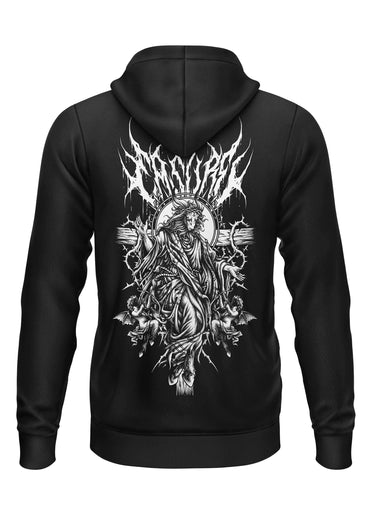
Xaphan – Meaning, Demonology, and Explanation
Brief Definition
Xaphan is a demon from demonology, often associated with fire, rebellion, and infernal architecture.
Brief Explanation
The term Xaphan describes a demonic figure from occult and mythological sources. Xaphan is often depicted as a fallen angel who combines knowledge and destruction.
What is Xaphan?
Xaphan is a figure from demonology, considered a demon or fallen angel with a special role in hell.
Detailed Description
The term Xaphan appears in various demonological and occult writings and is usually described as a fallen angel who opposed God in the heavenly rebellion. After his expulsion, Xaphan is said to have taken on a special function in hell, particularly in connection with fire, destruction, and technical knowledge.
In some traditions, Xaphan is considered the architect of hell, responsible for igniting or controlling the eternal flames. This often associates him with symbols such as fire, inferno, transformation, and destructive power. This depiction gives him a dual meaning: on the one hand, he stands for chaos and rebellion, on the other hand, for knowledge, energy, and change.
In modern interpretation, especially in the Gothic scene, Dark Aesthetic, and pop culture, Xaphan is seen as a symbol of rebellion, individuality, transgression, and inner strength. Related terms and synonyms include demon, fallen angel, infernal being, fiery demon, and occult entity.
Xaphan embodies the connection between destruction and creation, as well as the power of transformation through fire and change.
Frequently Asked Questions (FAQ)
Who is Xaphan in demonology?
Xaphan is a fallen angel or demon associated with fire and hell.
What is Xaphan's role in hell?
He is often described as being responsible for hellfire or as the architect of hell.
Is Xaphan a real demon?
Xaphan is a mythological and occult figure without scientific evidence.
What does Xaphan symbolize?
Rebellion, transformation, fire, and destructive energy.
Why does Xaphan appear in pop culture?
Because as a mystical figure, he carries strong symbolism for power and darkness.