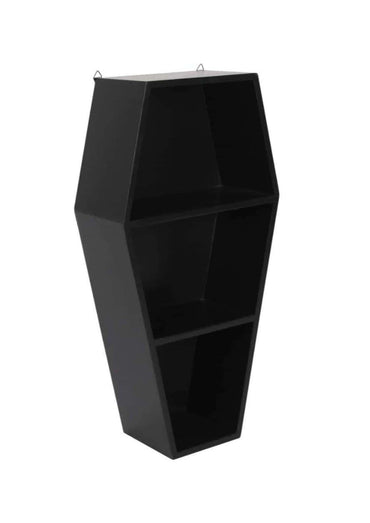
Gothic Interior - Inspiration for your Crypt
Share
Gothic interiors are more than a trend—they're a statement against drab monotony, fast-fashion aesthetics, and soulless homes. By transforming your house into a personal crypt, you create a space where darkness, art, and identity converge. In this guide, I, as Easure, will show you how to use carefully chosen colors, furniture, lighting, and details to build an authentic Gothic interior that feels like a home for creatures of the night—not a Halloween decoration kit from the supermarket.
What defines Gothic interiors today
Gothic interiors combine historical references to cathedrals, castles, and Victorian villas with a modern dark aesthetic. Pinterest, interior design magazines, and trend reports are currently celebrating dark, maximalist spaces, Castlecore, Western Gothic, modern gothic decor, and "dark elegance" as a counterpoint to Scandinavian cleanliness and beige neutrality. ( oldtownmagick.com )
Key features of Gothic interiors:
- Dark, saturated colors such as black, aubergine, burgundy, fir green, midnight blue
- Strong contrasts between light and shadow
- Historically inspired forms: pointed arches, ornaments, carvings, Gothic patterns
- Opulent materials: velvet, brocade, leather or imitation leather, heavy curtains, dark wood
- Symbolism: Pentagrams, bats, tarot, coffins, skulls, crows, occult symbols
- Atmospheric lighting: candles, warm, dimmed light, indirect lighting
Important: Gothic interiors thrive on authenticity. You're not creating a film set, but a space where you live, sleep, think, and celebrate. Your Gothic living room, your Gothic bedroom, your study, or your ritual corner only works if it reflects your everyday life – not just your Instagram feed.
Your vision: What kind of crypt do you want?
Before you save pins or add furniture to your cart, clarify your style. "Gothic Interior" is an umbrella term encompassing various subgenres:
| style | Effect | Typical elements | Suitable rooms |
|---|---|---|---|
| Classical Victorian | Opulent, elegant, dramatic | Dark wood, floral wallpaper, chandeliers, antique picture frames | Living room, library, dining room |
| Castlecore / Medieval | archaic, mystical, ritualistic | Stone look, coats of arms, heavy chests, torch-like atmosphere, tapestries | Living room, gaming room, "hall" |
| Modern Gothic | Clear, high-quality, urban | Dark walls, minimalist furniture, metal accents, targeted dark art pieces | Lofts, small apartments, offices |
| Whimsigoth / Dark Boho | Playful, magical, layered | Star motifs, moon phases, colorful glass objects, plants, carpet layering | Bedrooms, creative spaces |
| Gothic Maximalism | Overloaded, theatrical, collectors | Many pictures, figures, books, decorative layers, strong patterns | Living room, collection rooms |
| Western / Pagan Gothic | Earth-connected, magically nature-based | Horns, natural materials, bone look, runes, herb bundles, Viking influences | Altar corners, living room, balcony/terrace |
Consider:
Do you prefer a quiet, monastic Dark Sanctuary, as described in current interior design articles with a "monastic aesthetic," or do you love Gothic Maximalism, where walls, shelves, and windowsills are filled with dark art, books, and accessories?
Tip:
Save 20–30 images (e.g., from Gothic Home Decor & Lifestyle , Pinterest, and art accounts). Highlight what you specifically like in each image: color, shape, material, symbolism. From this, you'll create your personal interior design DNA.
Color palettes for your crypt: Black, shadows, and nuances
Black walls – bold, yet practical for everyday use
Color forms the basis of every Gothic room design. Black and very dark tones create depth, intimacy, and tranquility. Interior trends show that moody color palettes with black, dark green, midnight blue, and burgundy tones are increasingly appearing in luxury interiors. ( rugsdirect.co.uk )
Three strategies:
Accent wall :
- One wall in deep black or very dark shade, the others in dark grey or taupe.
- Ideal in the Gothic living room behind the sofa or TV, in the Gothic bedroom behind the bed.
Tone on tone :
- Walls in dark graphite, furniture in black, accessories in silver, chrome or deep red.
- It has a modern-gothic, clean look and allows dark art to shine through.
Color spectrum “night forest” :
- Wall colors: fir green, moss, midnight blue.
- Complemented with black shelves, dark curtains, silver details, and botanical motifs.
Pro tip: Matte instead of glossy. Matte or eggshell finishes absorb light and create soft shadows, which is perfect for Gothic interiors.
Contrasts and Highlights
Without contrast, everything looks flat. You need highlights and brighter areas:
- Light curtains against black walls
- Light carpets on a dark floor
- White plaster, stucco, or light-colored picture frames as frames for dark art motifs.
Gothic furniture: Throne instead of seating
Key pieces for Gothic living rooms and bedrooms
You don't need a complete set of Gothic furniture right away. One to three key pieces are crucial to define the look:
- Sofa / Armchair : Dark velvet, leather or faux leather, heavy silhouettes, Chesterfield look, angular wooden legs
- Gothic bed : Metal bed with arches, a "coffin"-inspired headboard, or dark, solid wood with carvings
- Dining table : Dark wood, preferably rustic, complemented by chairs with high backs.
- Sideboards and shelves : Black shelves for your books, figurines, candles, tarot decks
Historical movements like Modern Gothic demonstrate the powerful impact of furniture with clean, sometimes asymmetrical silhouettes and dark, ebonized surfaces. ( en.wikipedia.org )
Minimal setup for your first Gothic living room:
- 1 dark sofa or two armchairs
- 1 coffee table in black or dark wood
- 1 large shelf or display case for books and decorations
- 1 sideboard for altar decorations, figurines, candles
Second hand, DIY and upcycling
Gothic interiors don't require expensive designer items. You can achieve a lot with:
- Used solid wood furniture, painted or stained black
- Replacing handles with black or silver metal handles
- Self-adhesive films in marble, stone or wood look
- Panels and simple wooden strips for pseudo-Gothic wall frames
Gothic decor: Details that transform a room into a crypt
Symbols that tell your story
Gothic decor thrives on symbols and icons. Instead of random skulls from the cheap market, you opt for motifs with meaning:
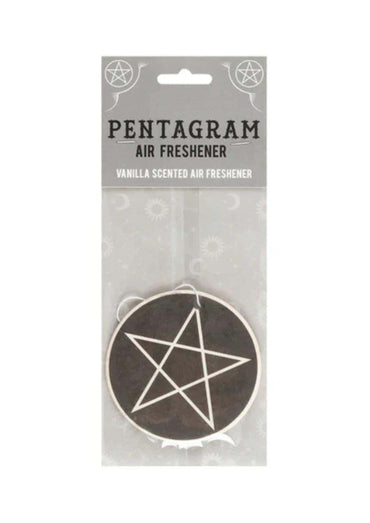
- Pentagrams : Protection, magic, empowerment – as a necklace, wall decoration, pin
- Bats, moths, crows : nocturnal creatures, transformation, transition
- Coffin shapes (Coffin) : Memento mori, humor, horror aesthetics
- Tarot, Ouija, Runes : Divination, Intuition, Occult Practice
Textiles: velvet, lace, nets
Your space only truly feels like Crypt through textures:
- Curtains : Floor-length, heavy fabrics in black, dark red, midnight blue
- Carpets : Baroque patterns, oriental dark tones, round carpets in "moon" look
- Cushions : Combination of velvet, faux fur, lace; motifs such as coffin, bat, tarot cards
- Blankets : Chunky knit, faux fur, printed blankets with dark art prints
Light and shadow: No Gothic interior without light
Candles, lanterns, indirect glow
Lighting determines whether your Gothic room looks cozy or kitschy. Trend reports on "dark interiors" and Halloween decorations currently emphasize "dark elegance" : a few, deliberately placed light sources, warm light, and no aggressive neon colors. ( veranda.com )
Setups for atmospheric lighting:
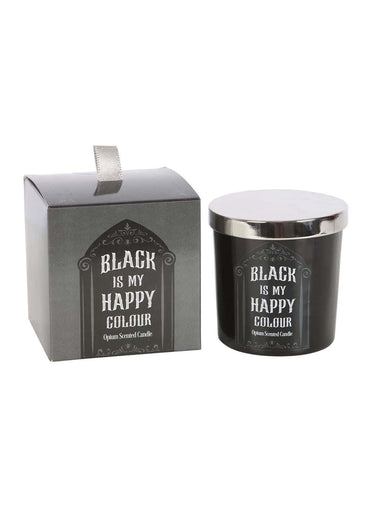
- Multi-armed candle holders on sideboards and window sills
- Wall sconces with LED candles for the ambiance of a knight's hall
- Strings of warm white lights, hidden behind curtains or above picture frames
- Table lamps with dark shades whose light shines downwards
Avoid cold, white light. Warm white bulbs with low wattage create gloom, not an open-plan office.
Light as a ritual
Gothic interiors are perfect for rituals, tarot sessions, reading, and music. Create islands of light:
- A reading chair with a floor lamp, next to it a small table with tarot cards from the tarot card collection.
- An altar area with a Ouija board, crystals, skull objects, surrounded by candles.
- A media corner with a film collection – including classics like “Dracula (1931)”, featured in our Dracula film review – and a warmly lit shelf.
Room by room: Gothic interior in living room, bedroom and more
Gothic living room ideas: A stage for your darkness
The living room is your main stage. Here you receive visitors, here the strongest first impression is made.
Step-by-step approach:
Set color base
- Paint one wall a very dark color, preferably behind the sofa or TV.
- Choose a rug that has a motif or texture (e.g., ornaments, occult patterns).
Place focal furniture
- A dark sofa or armchair as the main feature.
- A coffee table, e.g. rectangular with a metal frame, on which lie candles, books, a Gothic pin tray.
Playing with walls
- Gallery wall made of dark art, posters, aluminum pictures, e.g. from the Dark Art series.
- Antique, black or silver frames, perhaps an empty frame with a lace covering.
Add decorative layers
- Skull figurines, bat statues, candle holders, tarot decks, enamel pins on fabric banners.
- A shelf with books on horror, mythology, and occultism; perhaps you immediately link in your mind to the collection "Dark Stories, Horror & Gothic Culture" on our Gothic Culture Blog .
Here's how to transform a neutral living room into a Gothic living room that shows your guests that darkness is your comfort zone.
Gothic bedroom ideas: Your Dark Sanctuary
The bedroom is your personal sanctuary. Here, intimacy and tranquility are paramount – not mere staging.
Key elements for a Gothic bed and bedroom:
- Bed frame in black or dark metal
- Headboard in coffin shape, with decorative moldings or DIY ornaments
- Bed linen in deep colors, possibly with occult prints, bats, spiderwebs
- Velvet or brocade cushions, combinable with cushions reminiscent of motifs from the Death Theme collection
Dark curtains block out the light during the day and give you the feeling of being in a crypt at night. Add a small shelf with ritual items, scented candles, crystals, and tarot cards – check out our article on reading tarot cards if you want to delve deeper.
Gothic interiors in the bedroom need balance: darkness, yes; but also order and tranquility. A few carefully placed decorative elements have a stronger effect than ten small figurines on every surface.
The Gothic room for work, hobbies, and altar sculptures
Perhaps you could set up a special room: a gaming cave, a study, a creatively chaotic library. Here you can really embrace Gothic maximalism , as celebrated by current trends. ( russh.com )
- A wall full of posters, art prints, and cards
- Shelves with figurines, collectibles, horror Blu-rays
- A desk with a dark surface, metal accessories, and a gothic zip-up hoodie draped over the chair back.
- A bulletin board covered in Gothic pins that you would normally wear on jackets.
You're building your own "Crypt of Culture," where everything you celebrate—from darkwave and horror films to occult symbolism—has a permanent place. Background information on the scene can be found in our glossary: Gothic – What is Gothic? and Dark Fashion – Your Guide .
Favorite materials for Gothic furniture and decor:
- Wood: dark stained, ebonized, brushed
- Metal: Black steel, antique silver, brass
- Fabrics: Velvet, dense cotton, linen, lace
- Stone: Slate, marble look, concrete with patina
Vegan, cruelty-free and dark
You blend your Gothic interior with your ethical standards:
- Faux leather chokers are hung as decoration on mirrors or bedposts, instead of real animal skin.
- Vegan candles, preferably without harmful additives
- Artificial flowers, dried wreaths, and branches instead of short-lived fresh flowers
Your crypt as a political and cultural space
Gothic interiors aren't limited to candles and skulls. You're creating a room that:
- visibly rejects fascism and discrimination
- Celebrates diversity, queerness and alternative lifestyles
- It addresses subcultural history – from classic Gothic fashion to modern darkwear trends, as described in the blog post Gothic Style Through the Ages
Your home thus becomes a physical extension of your values – not an interchangeable backdrop.
Practical Gothic living room ideas for small and large rooms
Small spaces: Compact, but deep
Do you live in a shared apartment or studio apartment? Gothic interior design also works in 20–30 square meters.
Strategy for small spaces:
- Wall color: a dark accent instead of completely black
- Furniture: a few but striking pieces – sofa, shelf, small table
- Smart decor: Make full use of the walls, decorate the ceiling with hanging plants and chains
- Mirrors: large, baroque-decorated mirrors visually expand the room.
Choose accessories that serve a dual purpose: A Gothic gym bag or tote bag hangs as a wall object and simultaneously represents your everyday life out of the crypt.
Large spaces: Halls where you celebrate
If you have a larger living room, an older apartment, or even a house, you will benefit from:
- Zoning: Reading corner, media corner, ritual area, dining area
- Different lighting moods: Bright light at the table, gloom in the sofa corner.
- Larger furniture: Solid wood dining table, sideboard, display cabinet, bookcase
Get inspired by Castlecore – heavy furniture, tapestries, stone looks. ( oldtownmagick.com ) Combine this with modern elements like minimalist shelves and clean lines so your Gothic living room doesn't look like a museum.
Ritual corners, altars and personal crypts
Gothic interior design and spirituality often go hand in hand: Tarot, spirit boards, candle magic, ancestral altars.
Here's how to set up a crypt corner:
- Choose an empty space on a sideboard, shelf or wall shelf.
- Lay a black cloth as a base.
- Place a Ouija board from the Ouija & Spirit Boards collection, tarot decks, crystals, incense.
- Add photos, symbols, skulls, maybe a bat figurine.
- Set up a focused light source: tea lights in holders, a small table lamp with a dark shade.
Your crypt corner remains intentionally designed, not cluttered. You create a setting in which you can concentrate on your rituals.
Styling with fashion: When your clothes become part of the Gothic interior
Your Gothic clothing doesn't exist separately from your interior design. It's an integral part of your aesthetic. Instead of hiding everything away in a closet, you visibly integrate selected pieces:
- Hoodies and shirts from the Gothic Shirts collection are displayed on decorative hooks on the wall.
- Tights and socks from Gothic stockings in an open metal or wooden box
- Necklaces and chokers made from Gothic necklaces draped on jewelry busts or skulls
You thus merge "Gothic Interior" with "Dark Fashion" into a cohesive whole. Your room feels like a walk-in extension of your wardrobe, as described in Dark Fashion – Your Guide : clothing as expression, not as disguise.
Mistakes that will kill your Gothic interior – and how to avoid them
1. Purely Halloween look
Plastic skeletons, garish orange decorations, and cheap-looking fake blood rob your crypt of any depth. Use horror elements, but focus on quality, patina, and real materials.
2. Overcrowded, unstructured corners
Gothic maximalism doesn't mean covering every surface with random decoration. Work with clusters : focal areas, open spaces, then more clusters.
3. No function, only appearance.
A living room where you can neither sit comfortably nor have light for reading is frustrating. Examine each element: Does it contribute to comfort, ritual, daily life, or self-expression?
4. No common thread
When industrial, boho, glam, and gothic styles collide, chaos ensues. Choose 3-5 fixed motifs or symbols (e.g., pentagram, bat, coffin, tarot, ghosts) and stick to them.
Inspiration from the scene: films, music, culture
Gothic interior design is connected to your media DNA. Classics like "Dracula," "Nosferatu," "Frankenstein," or modern horror films influence sets and motifs. On the Easure blog, you'll find, for example, our Dracula (1931) film review and other horror and Gothic culture articles that will inspire you with new ideas.
Genres like darkwave, gothic rock, doom, black metal, and dark electro also bring with them visual imagery: album covers, band shirts, posters. You transform your room into a gallery of your favorite sounds.
Frequently asked questions about Gothic Interior and your Crypt
FAQ about Gothic Interiors and Gothic Rooms
How can I make my home more Gothic?
You can start your Gothic interior with just a few simple steps: Choose a dark color scheme for at least one wall, add accents with velvet curtains, candles, and select Gothic decorations such as pentagrams, bats, or Ouija boards. Complement this with dark art on the walls, for example, from the Dark Art collection, and replace simple accessories with pieces from our Home Decor & Lifestyle range . This way, step by step, you can create a Gothic living room or bedroom that feels like a crypt, without having to completely renovate everything at once.
How do I furnish a Gothic living room without it looking cluttered?
For a functional Gothic living room, start with structure: Dark wall paint or an accent wall, a central sofa, a coffee table, and a shelf are sufficient as a foundation. Then, carefully select Gothic furniture and decorations, such as a large dark art piece, candle holders, and a few figurines with occult symbolism. Leave open spaces between the decorative clusters so your Gothic interior can breathe. Use warm, indirect lighting to make the darkness feel cozy.
What furniture is suitable for a Gothic bedroom?
A Gothic bedroom benefits from a dark bed frame or a Gothic bed with a striking headboard, dark bedding, and heavy curtains. Add one or two nightstands in the same style, perhaps a narrow chest of drawers, and a shelf for books, candles, and tarot cards. Make sure your Gothic furniture matches: similar color palettes, similar materials like dark wood and black metal. This will create a cohesive and harmonious Dark Sanctuary-like space in your Gothic bedroom.
What kind of decoration is best suited for a Gothic room?
Appropriate Gothic decor combines symbolism and materiality: skulls, pentagrams, coffin shapes, bat motifs, candlesticks, spirit boards, tarot cards, dark mirrors, and velvet textiles. Also use wearable scene elements as decoration, such as Gothic pins , necklaces , and chokers, which you can arrange visibly on bowls and busts. This will create a unique Gothic room that reflects your lifestyle.
Who wears Gothic?
Gothic is worn by people who identify with dark aesthetics, subculture, music, and alternative values – regardless of gender, age, or origin. Many in the Gothic scene prioritize sustainable, individual fashion and use brands like Easure to express their attitude. This same attitude flows into Gothic interiors: your Gothic clothing, accessories, and dark fashion from collections like Gothic Clothing become part of the room design and merge with furniture and decor to create a holistic identity.
How do I combine Gothic furniture and modern furnishings without clashing styles?
You can create a harmonious blend by defining a clear theme: for example, a dark color palette or recurring symbols. Use modern, simple furniture as a base and complement it with a few striking Gothic pieces or accessories – a coffin shelf, a baroque mirror, a dark art aluminum picture. Make sure that materials like metal, wood, and fabrics are repeated. This way, your Gothic interior remains modern and functional without losing its dark soul.
- https://thegothicworld.com/gothic-interior-design-trends/ – Overview of current Gothic interior trends, a good supplementary link after the section "What defines Gothic Interior today".
- https://www.homesandgardens.com/interior-design/gothic-interior-design-trend – Article on Gothic Interior Design in the context of classic living trends, useful after the color and material section.
- https://www.lick.com/us/blog/interior-trends-modern-gothic-decor-style – Article on “modern gothic decor style”, fittingly following the section on Modern Gothic and small apartments.
- https://eu.killstar.com/blogs/journal/5-gothic-interior-styles-and-how-to-achieve-them – Overview of various Gothic interior styles, suitable according to the table of style categories.
- https://www.oldtownmagick.com/blogs/library-interiors/the-top-dark-interior-decor-trends-for-2025 – Article on dark interior trends like Castlecore, good after the chapter on living room and Castlecore ideas.
- https://www.russh.com/gothic-inspired-interior-design/ – Contribution to Gothic Maximalism as a trend in 2026, supporting the section “Gothic Maximalism and large rooms”.