How are incense sticks made?
Share
Incense sticks are part of the daily routine for many: while reading, gaming, meditating, for rituals, or simply to give a room a dark, mystical vibe. At the same time, what often goes into a single stick remains invisible: raw materials, craftsmanship, chemicals, tradition, working conditions – and the question of how healthy the smoke actually is. In this guide, we'll take you through the production of incense sticks, explain the differences between cheap mass-produced goods and high-quality varieties, and show you how to consciously incorporate fragrances into your everyday life.
What incense sticks actually are – more than just “fragrance sticks”
Incense sticks consist roughly of four components:
- Carrier (usually a bamboo stick or a malleable paste without a core)
- Fuel (wood flour, coal, plant fibers)
- Binders (e.g. water, plant gums or natural resins)
- Fragrance mixture (resins, woods, herbs, oils, synthetic fragrances)
The art lies in the fact that the stick:
- glows evenly
- does not constantly go out
- a defined amount of smoke is produced
- has a specific fragrance progression (top note, heart, base)
- not drowning in a toxic chemical broth
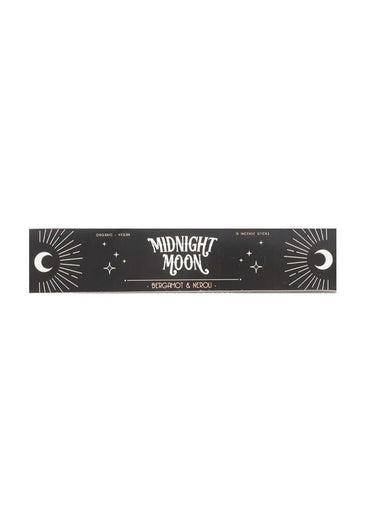
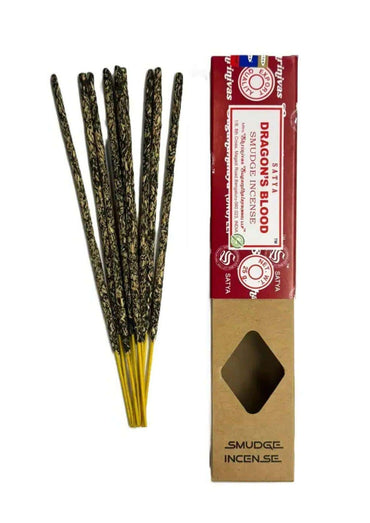
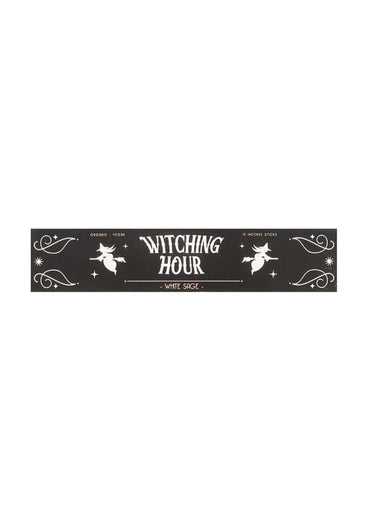
If you scroll through the categories Incense Sticks , Midnight Rituals Incense Sticks or Elements Incense Sticks in the EASURE shop, you will see the result of this work – here we look at the way to get there.
Brief overview: The most important manufacturing methods for incense sticks
Before we delve into the individual production steps, it's helpful to look at the common types. They differ not only in appearance, but also in their burning behavior and manufacturing process.
1. Incense sticks with a wooden or bamboo core
The most common form: A thin bamboo or wooden stick is inserted in the middle. A flammable fragrance mass is placed around the outside.
Typical of:
- many Indian incense sticks
- inexpensive mass-produced goods, but also high-quality brands
Features:
- clearly visible rod
- relatively heavy smoke
- Often perfumed in fragrance, sometimes with synthetic oils
2. Masala incense sticks (without liquid fragrance perfumes)
Masala here means: a solid mixture of powders and resins that is processed into a paste.
- Base made of resins, wood flour, herbs, spices
- Bonding via natural gums and water
- Fragrance comes from the plants themselves, not just from perfume oils.
Many popular Indian brands use masala recipes. They are well-suited for rituals, tarot readings, or sessions with your Ouija board because the scent is more complex and less like a typical room spray.
3. Japanese and Tibetan incense sticks (without core)
These sticks are made entirely of pressed fragrance material – there is no bamboo stick in the middle.
- very fine, often dense consistency
- often a subtle, understated fragrance
- strongly influenced by tradition, long lines of craftsmanship
For those who prefer a quieter atmosphere and associate incense burning with meditation, spirituality, or quiet rituals, these sticks are intriguing.
Raw materials: What goes into an incense stick?
The recipe determines whether an incense stick suits your ritual or smells more like bathroom air freshener. It also influences how much particulate matter, volatile organic compounds, and problematic residues are produced when burned.
Burning base: wood, coal, plant fibers
Wood flour and powder
- sandalwood
- cedar
- Agarwood (Oudh, extremely high quality and rare)
- other aromatic woods
They form the basic structure of the stick and ensure:
- Glowing ability
- Burning time
- Basic character of the fragrance
Money
Finely ground charcoal or coconut charcoal is found primarily in industrially mass-produced goods:
- burns intensely
- produces a lot of smoke
- It is well suited as a neutral base for cheap fragrance mixtures.
The more charcoal, the “harsher” the smoke seems – you can tell by irritated eyes or a scratchy throat.
Plant fibers
E.g. from bamboo, bark, rice flour, mulberry tree:
- stabilize the mass
- improve glowing behavior
- They occur more frequently in high-quality or traditionally manufactured chopsticks.
Binders: What holds the mass together
Binders ensure that the loose mixture forms a stable stick.
Natural binders:
- Gum tragacanth , gum arabic , other plant gums
- Strength
- certain resins (e.g. dammar, mastic)
They swell in water and make the mass malleable. After drying, they fix everything into a solid rod.
Fragrance blends: resins, herbs, oils and perfume
This is where things get magical – and chemical. The fragrance components determine whether a stick puts you in a calm, meditative mood or triggers a headache.
Resins
- Frankincense (Olibanum)
- myrrh
- Copal
- Benzoin
- Dammar and others
Resins provide deep, balsamic, often sacred notes that are perfect for Gothic rituals, Samhain/Halloween, or Midnight Rituals. Our blog post on incense in rituals delves deeper into its symbolic meaning.
Woods and herbs
- Sandalwood, cedar, palo santo
- Sage, mugwort, juniper, rosemary
- Flowers such as lavender, rose, jasmine
They give incense sticks their characteristic “body” and link fragrance with ritual symbolism – cleansing, opening, protection, grounding.
Essential oils
Many modern incense sticks also use distilled essential oils:
- e.g. lavender, orange, patchouli, ylang-ylang, spruce
- increase fragrance intensity
- allow for targeted effect profiles (relaxing, focusing, stimulating)
Synthetic fragrances and fixatives
Mass-produced goods rely heavily on:
- synthetic perfume oils
- Phthalates as fixatives
- Dyes
- partly problematic fragrance chemicals
Step by step: This is how classic incense sticks are produced.
Let's now look at the actual manufacturing process – from loose ingredients to the finished stick.
1. Raw material procurement and quality control
Before a manufacturer starts production, they clarify:
- Origin of the woods and resins (wild harvesting, plantation, organic quality?)
- Purity: Foreign matter, pesticide residues, mold
- Moisture content (too moist = poor storage, risk of mold)
Reputable brands test raw materials in the laboratory for:
- Heavy metals
- solvent residues
- Pesticides
- microbial contamination
2. Grinding and mixing the dry components
Next step:
- Resins, woods and herbs are dried.
- They end up in mills where they are processed into a fine powder.
- Individual powders are stored separately to ensure that the formulations remain precise.
- The dry ingredients for a specific incense stick are placed in large mixing containers.
There, so-called masala mixtures are produced: complex powders that are later combined with water and binders to form a paste.
3. Production of the fragrance paste
Now we come to the actual base of the incense sticks:
- Powder mix in large tubs or kneading machines
- Addition of water
- Binders (plant gums, resins, starches)
- Optionally, add essential oils or perfume oils to finish.
Goal: A homogeneous, malleable mass with:
- uniform consistency
- sufficient moisture
- good adhesive strength on the bamboo core or in stick form
In traditional workshops, workers still knead with their hands and feet, while in modern factories kneading machines and mixers take over many steps.
4. Application to the bamboo core or shaping of the sticks
Now the typical shape emerges:
a) With bamboo core
- Bamboo sticks arrive in bundles.
- A machine or manual workers dip them into the paste or roll them in it.
- Excess mass is removed.
- Each stick thus receives an even layer.
b) Without a kernel
- Strands are formed from the paste (similar to pasta dough, only thinner).
- Molds or nozzles press the mass into uniform sticks.
- They are then cut and placed on trays.
Japanese and Tibetan chopsticks predominantly use this coreless technique.
5. Drying – the invisible key to quality
After shaping, the sticks are left to dry:
- on grids or wooden frames
- in warm, airy rooms
- Depending on the climate: from 24 hours to several days
Important:
- slow, even drying
- Avoid direct, harsh sunlight, otherwise the rods will break.
- consistent air circulation
Poorly dried incense sticks:
- burning unevenly
- They keep going out
- mold growth during storage
6. Post-ripening, quality control and packaging
After drying:
- The fragrance blend stabilizes (maturation).
- Sticks are sorted according to length and thickness.
- Samples are test-smoked.
- Rods with cracks, breaks, or uneven mass are discarded.
Only after that come:
- Bundling in packages
- Protective packaging against moisture
- If applicable, operating instructions, warnings and information on ingredients
Table: Comparison of different types of incense sticks
| type | carrier | Fragrance base | Smoke development | Typical use |
|---|---|---|---|---|
| Indian charcoal sticks | bamboo core | Charcoal + perfume oils | strong | Room fragrance, affordable sets |
| Masala incense sticks | mostly bamboo core | Resins, woods, herbs + oils | medium | Rituals, meditation, spirituality |
| Japanese chopsticks | without a core | fine wood and herb masses | rather low | daily incense burning, subtle scents |
| Tibetan chopsticks | without a core | potent herbal/resin mixtures | medium to strong | religious rituals, protection, purification |
Effects of incense sticks: fragrance, psyche, atmosphere
Many people wonder: “Incense sticks – is it just fragrance or is there more to it?”
Psychological and atmospheric effect
Scent directly affects your emotions. Your limbic system reacts extremely quickly to smells. You'll notice this when:
- a scent immediately reminds you of an ex-relationship, a club, or a cemetery
- You automatically breathe more calmly with certain incense sticks.
- a dark, resinous scent makes your playlist seem even more intense
Classic profile examples:
- Sandalwood: warm, woody, grounding, deep breath
- Frankincense & Myrrh: sacred, ritualistic, opening, ideal for Tarot and spirituality – our blog article What is Spirituality? fits in with this.
- Patchouli: dark, earthy, sexy, slightly dirty, widely used in Gothic and metal circles.
- Lavender: relaxing, calming, good before bed.
Incense sticks enhance rituals : Anything you use regularly in a specific context becomes associated by your brain with a mental state. A particular stick can thus become the button for “meditation mode on” or “Midnight rituals – now things get occult”.
Spiritual and ritual level
In many cultures:
- Smoke as a medium between worlds
- Offering to ancestors, gods, spirits
- Protective circle, cleansing, banishing
Especially in the Gothic community, where themes like death, transformation, liminality, and occult symbolism are deeply rooted, incense fits perfectly as a ritual tool. If you want to delve deeper into the connection between incense, tarot, and Ouija boards, you can find inspiration in the blog on reading tarot cards and in the section "Tarot, Cards & Ouija – Spirituality Explained" .
Health: Are incense sticks harmful?
The question “Are incense sticks harmful?” is coming up more and more frequently – and rightly so. Studies show that burning incense sticks:
- Fine dust (PM2.5)
- volatile organic compounds (VOCs)
- Aldehydes such as formaldehyde
- polycyclic aromatic hydrocarbons (PAHs)
releases substances that are harmful in high concentrations and with prolonged exposure.
Some studies found:
- In some cases, the level of fine particulate matter in indoor spaces is higher than that caused by cigarette smoke, even with comparable mass.
- Irritation of the eyes, nose, and throat
- Exacerbation of respiratory problems, especially in asthmatics and sensitive individuals.
- In the long term, smoking daily without ventilation increases the risk of certain respiratory diseases.
Does that mean incense sticks are completely out of the question? Not automatically. The crucial factors are:
- Frequency (daily vs. occasional)
- Duration (permanently using several sticks vs. one stick in the evening)
- Room size
- ventilation
- Composition of the rods
How to use incense sticks more consciously and safely
A few practical tips:
- Always ventilate : Tilt windows or briefly open them for a short burst of fresh air before and after smoking. Studies show that VOC concentrations decrease significantly faster with good ventilation.
- Reduce the amount : One stick per session is usually plenty.
- Do not inhale directly : Do not sit directly in the smoke.
- Keep your distance : Do not place the mount at head height, but lower.
- Children, pets, asthmatics: Be especially careful, use incense sparingly or opt for very subtle, high-quality incense sticks.
If you notice that you get headaches or irritated mucous membranes after smoking, test:
- higher quality incense sticks with less charcoal and synthetic perfume
- smaller quantity
- improved ventilation
- As an alternative: resins on charcoal or incense cones with tested ingredients
How do high-quality incense sticks differ from cheap ones?
If you want to buy incense sticks, you'll encounter two worlds: "3 packs for 1 euro" and carefully produced series that sometimes cost as much as a drink at a club. The differences aren't just in the branding.
Cheap incense sticks: How to recognize them
Typical signs:
- extremely shrill or “artificial” fragrances
- Colorful, eye-catching packaging without ingredient information.
- no indication of origin or resins/woods used
- Smoke has a stinging, biting effect and burns the eyes.
- Sticks burn down extremely quickly or unevenly.
This price range often includes:
- more coal than wood base
- cheapest synthetic fragrances
- partly questionable binders or fixatives
This can put extra strain on the indoor air – especially in small, poorly ventilated rooms.
How to properly light and use incense sticks
Many people use incense sticks "anyhow" – light them, put them in the holder, and that's it. You'll get more out of it if you pay attention to a few details.
Incense stick holder – why it's important
A good holder:
- reliably catches ash
- Hold the stick at an angle where it glows evenly.
- does not burn itself
- It fits visually into your dark aesthetic.
Forms:
- simple wooden holders with recess
- Ceramic or metal holders in the shape of a skull, moon or pentagram
- Standing holders for coreless Japanese chopsticks
Important: Always place the holder on a fireproof and stable surface . This will reduce the risk of fire, especially in rooms with many textiles, tights, hairpieces, and decorations (like a classic shrine).
Step-by-step application
- Open the window a crack.
- Light the incense stick at the end with the fragrance mixture.
- Let the flame burn briefly, then blow it out. The tip will be glowing.
- Place it in the holder, leaving space between it and walls, curtains and decorations.
- Avoid inhaling smoke directly; it's better to sit to the side.
- After burning: Ventilate the room again.
If you don't want the whole stick to burn through, you can carefully squeeze it out in a fireproof bowl and relight it later.
DIY: How to make your own simple incense sticks
If you want to practice your own dark alchemy, you can easily make your own incense sticks. This requires some experimentation, but it's worth it if you want maximum control over scents and ingredients.
Safety and practical advice
Before you begin:
- I work in a well-ventilated room.
- Document your mixtures (quantities, ingredients, burning behavior)
- Try new recipes outside first, or with the window open.
Basic recipe for masala incense sticks with bamboo core
Ingredients (basic idea, you vary according to taste):
- 2 parts finely ground sandalwood or cedarwood powder
- 1 part finely ground frankincense resin
- 1 part finely ground herbs (e.g. lavender, mugwort, rosemary)
- 0.5–1 part binder (gum arabic powder or tragacanth)
- Water (preferably distilled)
- optional: a few drops of essential oils (e.g., patchouli, orange, sage)
- Bamboo sticks or thin wooden sticks
Manufacturing steps:
Mix powders
Carefully mix all the dry ingredients in a bowl.
Incorporate water and binder
Dissolve the binder in lukewarm water and gradually add it to the powder until a kneadable, not too wet mass is formed.
Add fragrance oils
Incorporate essential oils drop by drop, kneading well.
Apply to bamboo sticks
Take a small portion of the mixture and roll it around the bamboo core until an even layer is formed.
Dry
Place the finished sticks on a rack, let them rest for 2–5 days in a well-ventilated, dry place, turning them occasionally.
Test burn
Light a stick in a well-ventilated place and observe the burning behavior, amount of smoke, and the development of the scent.
This way you can experience firsthand how much craftsmanship and chemistry goes into each incense stick – and get an even better sense of which purchased incense sticks you want to use in your ritual practice in the long term.
Incense sticks compared to other forms of incense
Incense sticks are convenient, but not the only option. Especially if you're concerned about air quality, it's worth thinking outside the box.
Incense cones
- compact
- intense smoke development concentrated in a small area
- often smells stronger near the ground
- Visually spectacular for certain backflow holders
Production: similar to sticks, but without a core, pressed into cone shapes.
Loose incense (resins, herbs) on charcoal
- highly flexible in the mixture
- very intense smoke development
- Room-filling, but often stronger than incense sticks
Coal also produces particulate matter and gases; more awareness of ventilation is needed here.
Smudge sticks and incense bundles
- bundled herbs (sage, mugwort, rosemary, lavender, etc.)
- highly ritualized, often associated with “purification”
- Compared to sticks, the smoke is relatively coarse.
Which form suits you best depends on your rituals, the size of your room, your personal preferences, and your sensitivity. Those who burn incense more frequently tend to prefer more subtle, higher-quality incense sticks and use more intense forms like charcoal more sparingly.
Checklist for buying
If you want to buy incense sticks, ideally you should check:
- Transparency : Are the ingredients or at least the fragrance base listed on the packaging or product page?
- Brand background : Is it some no-name importer or a brand with a concept and attitude?
- Fragrance description : Does the fragrance sound clear (e.g., “Sandalwood & Myrrh”) or just like marketing (“Mystic Ocean Fantasy”)?
- Price : Extremely cheap bundles often indicate cheap mass production without quality control.
- Shop stance : Does the shop align with your values (sustainability, anti-fascism, subculture, handmade)?
Incense sticks and language – a brief side note for nerds
If you've already searched for "incense sticks English": The correct term in English is "incense sticks" . Product descriptions also use the following terms:
- “incense cones” (for cones)
- “loose incense” or “resin incense” (for loose incense)
This is useful if you're researching specific brands internationally or want to watch craft videos on how to make them.
Frequently asked questions about incense sticks
What are the best incense sticks?
The best incense sticks suit your ritual, your sense of smell, and your values. Look for masala or natural incense sticks made with resins, woods, and herbs, rather than cheap charcoal-perfume blends. You can recognize high-quality incense sticks by their transparent description of fragrance families, clean burning, pleasant smoke, and a coherent brand philosophy. If you value Gothic aesthetics, spirituality, and a conscious approach, curated series like the Satya, Elements, or Midnight Rituals incense sticks offered by EASURE provide a better foundation than anonymous mass-produced incense from the supermarket.
Are incense sticks harmful?
Incense sticks produce fine dust, aldehydes, and other substances when burned, which can be harmful in high concentrations and with frequent use. Studies link heavy, persistent use in poorly ventilated areas to increased risks of respiratory problems, irritated mucous membranes, and sometimes long-term health effects. These risks are significantly reduced by using incense sticks consciously, ensuring good ventilation, choosing high-quality, natural varieties, and limiting the amount. Sensitive individuals, children, and people with asthma or heart and lung conditions should be especially careful when using incense sticks that produce a lot of smoke.
How do incense sticks affect the body and mood?
The effect of incense sticks depends on the scent and your individual perception. Sandalwood, lavender, or frankincense support relaxation, meditation, and spirituality, while patchouli, amber, or resinous blends create a dark, sensual atmosphere for Gothic rituals, music sessions, or reading at night. The scent molecules reach your limbic system, the part of the brain that processes emotions, and influence mood, focus, and memory. Simultaneously, smoke is released into the air, so good ventilation helps to ensure the effect remains pleasant.
How do I use incense sticks correctly?
Light the incense stick at the thicker end, let the flame burn briefly, and then blow it out so that the tip is glowing. Place the stick in a stable incense holder that catches the ash and prevents contact with fabrics, hair accessories, or decorations. Ventilate the room before and after burning, keep a safe distance from the smoke, and burn one stick at a time rather than several simultaneously. If you only want a hint of fragrance, extinguish the stick in a fireproof dish in between uses and use the remaining scent later.
Which incense sticks are suitable for rituals and spirituality?
For rituals and spirituality, incense sticks with resins like frankincense, myrrh, or benzoin, combined with woods such as sandalwood or cedar, are ideal. These scents support protection, purification, opening, and grounding, and are well-suited for tarot, meditation, or Ouija board sessions. Series like Elements or Midnight Rituals incense sticks explore these themes and combine them with a dark, occult aesthetic that fits well into Gothic altars, home interiors, and dark fashion setups. It's important to consciously associate one or two scents with specific rituals so that your body can access these states more quickly.
How can I recognize good incense sticks compared to cheap mass-produced goods?
You can recognize good incense sticks by transparent communication regarding their fragrance profile, origin, and ingredients, consistent burning behavior, and a scent that is complex and pleasant rather than overpowering or chemical. High-quality incense sticks tend to rely on resins, woods, herbs, and essential oils with a moderate amount of smoke. Cheap bundles often use a high proportion of charcoal, synthetic perfume oils, and dyes, and provide no insight into the recipe.
What does “incense sticks” mean in English and why is that important?
“Incense sticks English” simply means you're searching for the English term for incense sticks. This translation helps you find high-quality international brands, watch craft and manufacturing videos, or read studies on incense smoke and indoor air quality. Many scientific studies on particulate matter, VOCs, and health effects originate from English-speaking countries. If you want to delve deeper or are specifically looking for certain scents, the English term opens up new resources and shops.
- https://pmc.ncbi.nlm.nih.gov/articles/PMC9058426/ – Review article on the health risks of incense smoke (particulate matter, VOCs, long-term effects). Ideal after reading the section “Are incense harmful?”.
- https://pmc.ncbi.nlm.nih.gov/articles/PMC8345624/ – Study on indoor air quality and hazardous substances in smoking products. Related to the section on pollutants and emissions from combustion.
- https://www.mdpi.com/2076-3417/13/12/7344 – Technical article on aromatic substances in incense sticks and the influence of ventilation on VOC concentrations. Useful after reading the tips on ventilation and health-conscious incense burning.
- https://pmc.ncbi.nlm.nih.gov/articles/PMC8548258/ – Review on the mechanisms and health implications of incense smoke (cardiovascular, respiratory). Suitable for further study in the health section.
- https://pmc.ncbi.nlm.nih.gov/articles/PMC2377255/ – An older but fundamental study on the structure and clinical effects of incense smoke on the respiratory system. It can be linked at the end of the health chapter as further reading.
Prev post
The most popular incense scents compared
Updated on 12 July 2026
Next post

Midnight Rituals Incense Sticks
Updated on 04 March 2026