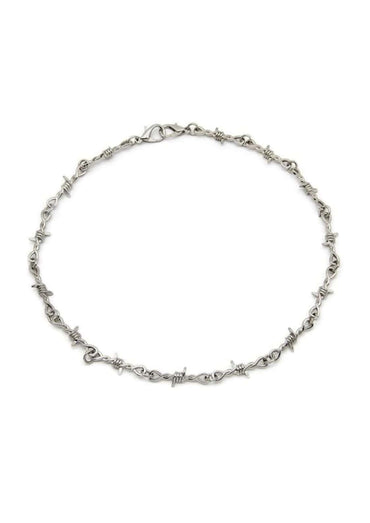
Nickel allergies are among the most common contact allergies worldwide. Symptoms often appear quickly and clearly, especially when wearing jewelry: itching, redness, blisters, or even inflamed skin. Many sufferers therefore wonder which jewelry materials are truly safe and what to look for when buying jewelry.
In this article we explain why nickel is problematic, which materials are suitable for allergy sufferers and how to avoid skin reactions.
What is a nickel allergy?
A nickel allergy is a type of contact allergy. The immune system reacts to nickel ions that are released from the metal through sweat and friction and penetrate the skin. The allergy is particularly common on the ears, neck, wrists, or fingers – precisely where jewelry is worn.
Typical symptoms include:
- Itching and burning
- Redness and swelling
- Blisters or weeping sores
- Scaly or cracked skin
Since nickel is contained in many metal alloys, not all jewelry is automatically safe.
Why nickel in jewelry is problematic
Nickel is frequently used because it makes metals harder, shinier, and cheaper. It is particularly common in costume jewelry and inexpensive alloys. Problems arise when nickel is not fully bound and dissolves upon skin contact.
Even coated jewelry can be problematic: once the coating wears off, the nickel-containing base is revealed – often only after weeks or months.
These jewelry materials are considered safe
Stainless steel (nickel-free or surgical stainless steel)
High-quality stainless steel, especially surgical stainless steel (e.g., 316L), is considered very skin-friendly. The nickel it contains is tightly bound and is generally not released through the skin. For most people with a nickel allergy, stainless steel is a safe choice.
Advantages:
- durable and robust
- rust-free
- easy-care
- very low nickel release
titanium
Titanium is one of the most hypoallergenic materials available. It is extremely lightweight, corrosion-resistant, and does not release any nickel. Therefore, titanium is also used in medicine for implants.
Advantages:
- Completely nickel-free
- very light
- extremely skin-friendly
- ideal for sensitive skin
Silver (with limitations)
Pure silver contains no nickel. However, jewelry is usually made of sterling silver (925), which is alloyed with other metals. The composition of the alloy is crucial here.
Silver is suitable for allergy sufferers if:
- no nickel was added
- the surface is of high quality workmanship
Problems can arise from inferior silver alloys or unknown origins.
Gold (14 karat and above)
Gold itself is nickel-free, but it is also alloyed. The higher the gold content, the lower the risk of an allergic reaction. Yellow gold is generally better tolerated than white gold, as white gold often contains nickel.
Recommendation:
- at least 14 karat
- 18 karat or higher is better
- White gold only if nickel-free is guaranteed
Plastic, Acrylic & Resin
Non-metallic materials contain no nickel and are therefore generally allergy-free. They are frequently used in statement jewelry, pendants, or alternative designs.
Please note:
- Quality and skin compatibility of the plastics
- possible reactions to plasticizers in very inexpensive products
Materials that allergy sufferers should avoid
The following materials are particularly problematic for people with a nickel allergy:
- Brass
- Zinc alloys
- Nickel silver
- Cheap costume jewelry without material specifications
- Unknown alloys
Even nickel-plated or only superficially coated jewelry is risky, as the protective layer wears off over time.
Coatings: Solution or risk?
Coatings like rhodium or gold can make jewelry more skin-friendly in the short term. However, they are not a long-term guarantee because:
- coatings rub off
- Scratches can expose nickel
- Allergies often only appear with a delay.
For allergy sufferers, consistently nickel-free materials are always the better choice.
Tips for allergy sufferers when buying jewelry
- Check material specifications carefully
- Look for "nickel-free" or "hypoallergenic" options.
- For sensitive skin, opt for titanium or stainless steel.
- Avoid unknown, cheap products.
- Clean your jewelry regularly to remove sweat residue.
Conclusion: Safe jewelry despite nickel allergy
A nickel allergy doesn't mean you have to forgo jewelry. The key is choosing the right material. Titanium, high-quality stainless steel, and tested silver or gold offer a safe foundation for stylish jewelry without skin irritation.
Those who prioritize quality, transparency, and durable materials not only protect their skin but also invest in jewelry that can be worn for a long time.
Note: This article is not a substitute for medical advice. A dermatologist should be consulted in case of severe or persistent skin reactions.