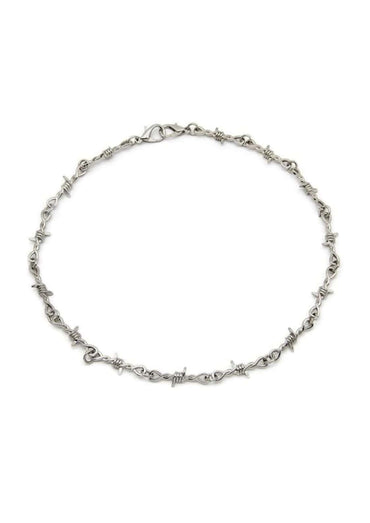
Jewelry should complement an outfit, not leave marks. It's all the more frustrating, then, when dark or greenish stains appear on the skin. This is especially common on the neck, fingers, and wrists, where jewelry often leaves a residue. But why does this happen – and what can you do about it?
Lars
Why does jewelry tarnish?
Staining usually results from a combination of material, skin contact, and external influences. The most common causes are:
1. Reaction of metal with sweat
Sweat contains salts and acids. These can react with certain metals and trigger oxidation processes. This creates residues that are deposited on the skin.
2. Inferior alloys
Fashion jewelry, in particular, is often made of brass, copper, or zinc alloys. These metals react quickly with moisture and skin oils and can cause green or dark discoloration.
3. Wear and tear of coatings
Many pieces of jewelry are coated to create color or shine. When this protective layer wears off, the underlying metal comes into contact with the skin – discoloration is then almost unavoidable.
4. Cosmetics and care products
Perfume, creams, hairspray or sunscreen can trigger chemical reactions with jewelry and discolor both the material and the skin.
Which jewelry materials are particularly prone to staining?
Not every material is equally problematic. Frequent color transfer occurs with:
These materials are often not suitable for prolonged skin contact.
These materials generally do not bleed color.
Those who want to avoid skin discoloration should use the following materials:
Stainless steel (e.g. 316L)
titanium
-
Completely nickel-free
-
extremely skin-friendly
-
no oxidation
-
ideal for sensitive skin
Silver (of good quality)
Gold (14 karat and above)
-
The higher the gold content, the lower the risk.
-
Yellow gold is usually better tolerated than white gold.
Jewelry is already staining – what can I do now?
If the jewelry is already discoloring, the following measures will help:
-
Clean jewelry regularly (mild dish soap, soft cloth)
-
Remove skin discoloration with water and mild soap.
-
Remove jewelry before exercising, showering, or sleeping.
-
Avoid contact with perfume and creams
-
Store jewelry in a dry place after wearing.
In the short term, a transparent jewelry varnish can also help to seal the contact surface – however, this is not a permanent solution.
How can color transfer be permanently prevented?
The best prevention is a conscious choice of materials. When buying jewelry, pay attention to:
-
clear material specifications
-
nickel-free or hypoallergenic materials
-
high-quality workmanship
-
preferably uncoated metals
Jewelry intended for prolonged skin contact should be robust, durable, and skin-friendly.
Conclusion: Jewelry that bleeds color is no coincidence
If jewelry discolors the skin, it's almost always due to the material or external factors. High-quality metals like stainless steel, titanium, or gold reliably prevent skin discoloration and are the better choice in the long run.
Those who prioritize quality over short-term trends not only protect their skin but also invest in jewelry with a longer lifespan.