hair dye
Share
Are you thinking about using hair dye – maybe for your next night out, a festival, a ritual with friends, or simply because your reflection is screaming for more drama? At EASURE, we celebrate everything that defies convention. And that's precisely where hair dye comes in: color that enhances your identity without chemically shackling you to a specific look.
In this guide, we'll show you how hair coloring works technically, how to use it strategically for your style, how to avoid typical fails, and which products are right for you if you think sustainably but still want bold colors.
What exactly is hair dye – and why do alternative cultures love it?
A hair toner doesn't permanently color your hair; instead, it deposits color pigments on or just below the hair's surface. The hair's structure remains largely intact. Unlike traditional hair coloring with strong oxidizing agents, a hair toner only changes your hair color temporarily.
Typical characteristics of a hair dye:
- low or no ammonia pollution
- significantly less or no hydrogen peroxide
- Depending on the product, pigments remain for only a few washes to a few weeks.
- Tone-on-tone or darker, no radical lightening.
This has a clear advantage for you: You can adjust your look like your favorite playlist – darker, more colorful, cooler, warmer – without putting a lot of strain on your hair structure each time.
Hair coloring means: color as a statement, not as a lifelong decision.
Hair tint vs. hair color: What are the real differences?
Many people confuse hair tinting with hair dye, even though they work completely differently. Understanding the chemistry behind them will help you make the right choice with ease.
Mechanism of action and depth of color change
Hair tint (level 1 / semi-permanent)
Color pigments are deposited on the cuticle layer of the hair or penetrate only minimally.
Result: Nuance, shine, slight color change, more intense reflections.
No significant improvement.
Intensive tint / Demi-permanent (often called "Level 2")
A gentle oxidation process with a weak developer allows pigments to penetrate deeper.
Result: strong, more durable color, slightly stronger coverage, slight grey tint.
Hair coloring / permanent hair color (level 3)
High oxidation level, cuticle opens, natural pigments are altered.
Result: strong, permanent color change, including lightening or strong gray coverage.
Durability: How long does a hair dye stay in the hair?
The longevity of a hair dye depends on three factors:
- Product type
- The structure of your hair
- Care and washing habits
General overview:
- Washable hair color / temporary color : 1–8 hair washes
- Semi-permanent hair color : 6–12 washes
- Intensive hair color (dark shade, high pigment) : lasts up to 24 washes.
Key influencing factors:
- Light, porous hair absorbs pigments like a sponge. The effect is more intense, the color lasts longer – sometimes longer than promised.
- Healthy, smooth hair absorbs pigments more evenly, but often releases them somewhat faster.
- Hair washing routine : Frequent washing, hot water, aggressive shampoos and lots of sun noticeably shorten the lifespan of the hair.
For example, if you regularly use Directions or other colorful hair dyes, they won't fade completely as quickly on bleached hair. This can be a feature or a problem – depending on how spontaneously you change your style.
Washable hair dye: For those who love to experiment and aren't afraid of color.
A wash-out hair dye is perfect if you:
- You want a color just for one event, a photo shoot, a vacation, or a special appearance?
- test your look before deciding on permanent hair color
- School, training or work limits you, and you still need hair color on the weekends.
Typical forms of washable hair dye:
- tinting foam
- tinted shampoo
- Paint sprays and paint masks
- semi-permanent direct-drawing cartridges without developer
Advantage: You can play with your style without stressing your hair structure in the long term.
Disadvantage: A residual shimmer may remain on very light hair, especially with strong colors such as blue, green or intense red.
Hair tint for gray coverage: How far can you get without permanent color?
Many people know the feeling: the first gray hairs appear, and you wonder if this is the end of your black hair. Don't panic. With gray coverage hair dye , you control how much you cover up your natural gray – and how subtle your transition is.
Basic rules:
-
Hair dyes usually only partially cover grey hair .
They apply pigments to light, grey hair, but rarely make it completely invisible. - Intensive tints/demi-permanent products conceal better than ultra-light tinting foams.
- Dark tones like dark brown or black cover grey hair much more effectively than light tones.
For you, hair coloring can even be exciting if you don't want to completely hide your gray hair, but rather create soft transitions . Gray-on-black or gray-on-dark brown can look very aesthetically pleasing and enhance your appearance rather than "rejuvenate" it.
If you want permanent, complete gray coverage , there's no way around a well-formulated hair color or plant-based dye in the long run. A hair toner then serves more as a test run, a temporary solution, or a way to soften harsh roots between coloring appointments.
DIY hair dye: Step-by-step instructions without the drama
Want to dye your hair at home? No problem if you approach it in an organized way. Here's a concise guide to help you avoid unpleasant surprises.
Preparation
Select color shade
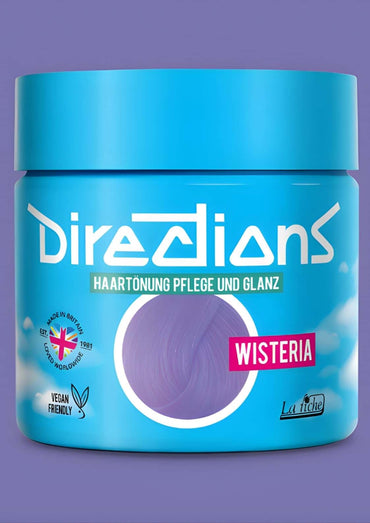
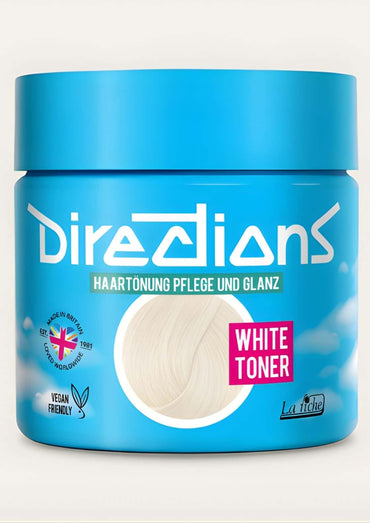
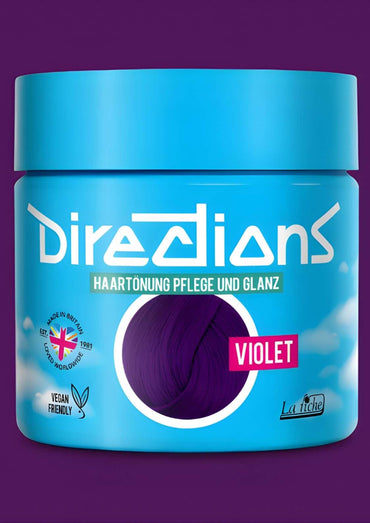
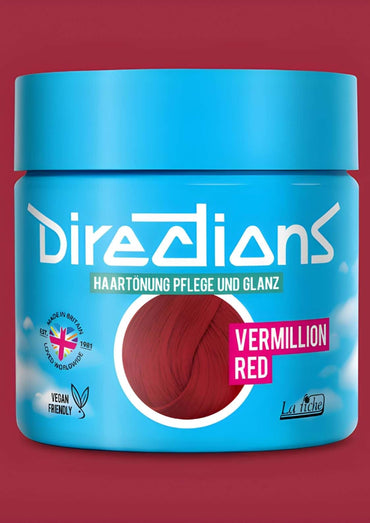
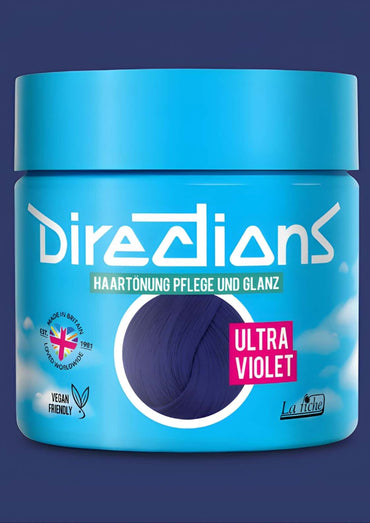
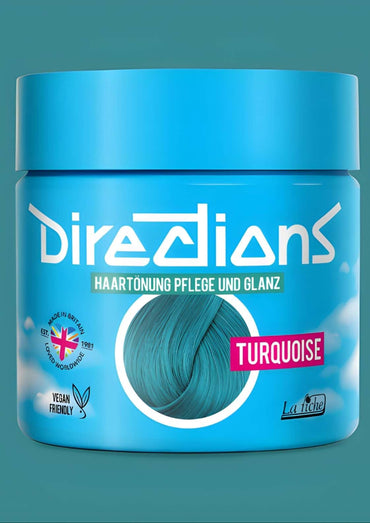
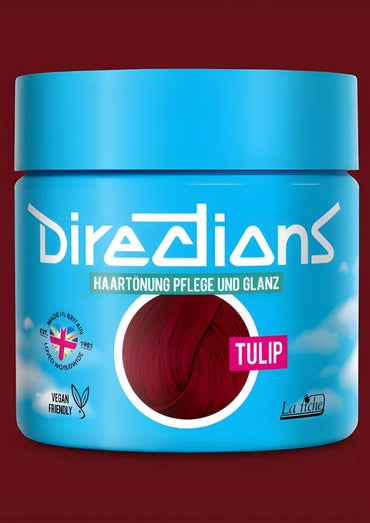
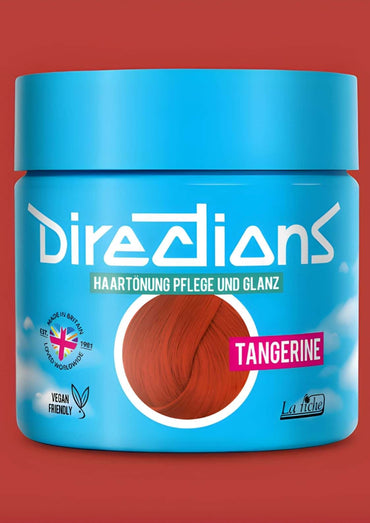
Choose a hair dye that suits your undertone, your style, and your everyday life. For bold colors and vegan direct dyes, you'll find suitable products at EASURE, for example in the Directions category or in the hair dye collection.
strand test
Apply the hair dye to a hidden strand of hair and wash it out after the recommended processing time. This way you can tell:
- Color result based on your actual starting color
- possible allergic reactions
- whether the processing time is suitable for your hair type
Protection
Dark hair dyes also stain skin, clothes, and towels.
- old shirt
- Towels that can withstand color
- Gloves
- Ointment/contour cream for hairline, ears, neck
Apply
- Detangle hair and prepare it dry or towel-dried, depending on the product instructions.
- Apply hair dye strand by strand, starting at the front of the face, then the lengths.
- Distribute evenly: Use a comb or brush to avoid any patchy appearance.
- Adhere to the exposure time, ideally using a timer.
Rinse and finish
- Rinse thoroughly until the water appears fairly clear.
- For direct dyes, water is usually sufficient; for intensifying dyes, a conditioning rinse is helpful.
- Dark hair dyes can still bleed slightly after several washes – dark towels and bed linen will save your sanity.
Hair coloring and hair health: How gentle is it really?
Hair dye is considered "gentle", but a closer look is still worthwhile.
Benefits for your hair:
- less or no ammonia
- less or no brightening
- less damage to the cuticle layer
- frequent nourishing additives
Risks and limits:
- Allergies to dyes are also possible with hair dyes.
- With very frequent use in quick succession, the hair can become dull.
- In porous or heavily bleached hair, pigments penetrate deeper and last longer or unevenly.
If you regularly color and style your hair, and your daily routine already consists of heat styling, hairspray, and nights out, a well-chosen hair dye will work with you rather than against you. Pay attention to:
- low-sulfate shampoos
- Color care treatments
- Heat protection for hair straighteners and hair dryers
This way, even frequent use of Directions, intense red or dark tones, and festival experiments remain within reasonable limits.
Hair coloring in an alternative style: Colors as part of your symbolism
For EASURE's target audience, hair coloring is more than just cosmetics. Hair functions as a visual manifesto : belonging, distance from the mainstream, spirituality, aesthetics.
Here are some examples of how to consciously use hair dyes:
Black + Color Tips
Black base color (permanently or intensely tinted) with bright tips in red, purple or blue.
Statement: controlled rebellion, structured chaos look.
Red-black gradients
Dark red roots, black lengths or vice versa.
Silver or ashy tones
Cool tones on light hair, combined with dark makeup.
Atmosphere: ghostly, otherworldly, almost otherworldly.
Pastel hair color
Soft lilac, rose, or mint on bleached hair. Deliberately contrasted with harsh outfits, studs, and chains.
Hair coloring gives you the freedom to make your inner self visible on the outside – temporarily, flexibly, seasonally, and mood-dependent.
Table: Comparison of hair tint, semi-permanent tint, and permanent hair color
| feature | Hair tint (semi-permanent) | Intensive toning (demi-permanent) | Permanent hair color |
|---|---|---|---|
| durability | approximately 1–12 hair washes | up to approximately 24 hair washes | lasts until offspring |
| Is lightening possible? | no | minimal to hardly any | Yes, depending on the product, very much so. |
| Grey cover | slightly concealing | Significantly better, but not 100% | Full coverage possible |
| Hair damage | small amount | medium | high |
| Suitable for extreme colors | Yes, for bleached or light hair. | conditional | especially for natural tones |
| Flexibility in look | very high | high | less, because it is permanent |
Hair dye from the drugstore (dm, Rossmann) vs. specialized scene products
You can find hair dye in any drugstore – just search for "dm hair dye" or "ROSSMANN hair dye" . The question is: Is that enough for you, or would a specialized shop like EASURE be a better fit?
Drugstore hair dyes (dm, Rossmann etc.):
- Focus on natural color tones (brown, red, blonde variations)
- uncomplicated application
- often cheaper, strong brand presence
- Rarely extreme, very bright colors
- The wording is geared more towards mainstream needs.
Specialized hair coloring at EASURE:
- Focus on bright, intense colors
- Brands like Directions and other vegan, cruelty-free products in the Manic Panic or Directions category
- Combination with matching accessories and fashion, for example from Gothic clothing
- Conscious curation based on sustainability, scene relevance and quality
If you're just looking for a subtle color update, a simple hair dye from the drugstore will suffice. However, if you see your overall appearance as part of an alternative lifestyle, a specialized shop like EASURE offers a more cohesive experience.
Hair coloring and bleaching: Dream team or disaster?
Many vibrant hair dyes only show their true effect on light hair. For this, you use bleach to prepare your hair.
Key points:
- Bleach damages the hair structure, no matter how "gentle" it is formulated.
- Immediately after bleaching, your hair absorbs hair dye extremely well – but also very unevenly if you don't work cleanly.
- On severely damaged hair, any hair dye will last longer than you would like.
Strategy if you want to be colorful but not destroyed:
- Use bleach carefully and in a controlled manner, possibly in several steps.
- After bleaching, use conditioning products and masks.
- Then use a semi-permanent hair dye, e.g. Directions, Manic Panic or similar direct dyes.
- After toning, use color-protecting shampoos and cool water temperatures.
After hair coloring: Care to make your color statement last
You've just applied your hair color. Now it's about maintaining the new look for as long as possible without stressing your hair.
Tips for long shelf life:
- Use color-safe shampoos , preferably low in sulfates.
- Wash your hair with lukewarm water instead of hot water.
- Reduce blow-drying, straightening and curling iron use, or consistently use heat protectant.
- Protect your hair from intense sun, especially if it has red or pastel tones.
- Use nourishing masks with color pigments to refresh your tone between tints.
If you notice that your hair looks too dry despite coloring it, regularly schedule a few "recovery" weeks with pure conditioning, without any new color. Your hair will thank you with shine, elasticity, and better color absorption the next time you color it.
Hair coloring in everyday life: school, office, stage and ritual
Not everyone earns their living in an environment where bright green hair isn't an issue. Hair dye can help you connect different aspects of your life.
For the office:
- Subtle brown tones or cool red shades with hair dye that appear more natural under artificial light
- Updos and braided hairstyles where colorful tips only peek out slightly.
- Glossing treatments and gentle hair tints that provide shine rather than vibrant color.
For the club
- Intense red tones, violet or blue hair tones on a bleached base
- Color highlights around the face and neck, combined with eye-catching accessories
- Temporary color sprays for quick effects that disappear after one or two hair washes.
For meetings, festivals:
- symbolic choice of colors (e.g. black and red for resistant energy, violet for spirituality)
- A perfectly timed hair coloring session shortly before the event, including a care program afterwards.
Hair coloring allows you to control when and to what extent you stand out – without revealing your basic attitude.
Hair coloring mistakes you should avoid
Even though hair dyeing is relatively gentle, there are typical fails that many only learn about after the first disaster.
1. Incorrect initial tone was misjudged
Your natural hair color appears darker or lighter than it actually is, and you choose a hair dye that is too pale or too dark.
Solution: Strand test, daylight, honest look in the mirror.
2. Uneven distribution
Patchy areas, uneven roots, striped lengths.
Solution: Proceed systematically, strand by strand, using a comb and working with sufficient product.
3. No skin or clothing protection
Dark hair dye on pillow, neck, ears and favorite shirt.
Solution: Gloves, an old shirt, old towels, and a greasy cream applied to the hairline.
4. Bleached lengths, natural roots – same processing time
This quickly leads to "helmet looks" or stark differences in brightness.
Solution: First work on the lighter, more porous areas, only briefly tinting the base or vice versa, depending on the goal.
5. Expectation: "Hair tint saves every failed coloring"
If your hair is severely damaged, no hair dye in the world will help repair the structure.
Solution: Condition first, then color. And if necessary, visit the hairdresser before you make things worse.
Hair coloring and sustainability: Do they go together?
Sustainability plays an important role for many. You don't want to sacrifice everything else for your aesthetics. Hair coloring can be a step towards more conscious choices.
Why hair coloring fits into a more sustainable mindset:
- Less chemicals are used than in intensive bleaching and permanent coloring.
- Longer breaks between major interventions in the hair structure are possible.
- Many brands are working with vegan, cruelty-free, and improved formulations.
At EASURE, we ensure that our product range – whether clothing, hair color , or accessories – allows you to live your lifestyle with a certain awareness. Hair coloring gives you the freedom to change your look more often without causing maximum damage each time.
Frequently asked questions about hair coloring
Which hair dye is the best?
There's no one-size-fits-all solution for hair coloring; it depends on your goal. For short-term experiments, a wash-out hair color that fades after a few shampoos is ideal. If you want your color to last longer, semi-permanent or intensive hair colors offer greater durability. For bold, dramatic colors, direct dyes from the hair color or toner categories at EASURE perform better than many standard supermarket products.
How long does a hair dye last in the hair?
The longevity of a hair color typically ranges from a few washes to around 24 washes, depending on the product type and your hair type. A light, wash-out hair color often disappears after 1–8 washes, while a more intense color can remain visible for up to 12 washes or more. Color pigments last longer on bleached or highly porous hair, especially with vibrant red or blue shades.
Does hair dye cover gray hair?
Hair toners offer only limited gray coverage. Light toners usually tint gray hairs transparently, making them appear softer, but they still remain visible as lighter highlights. Intensive toners often achieve better gray coverage, but they don't replace the full coverage of permanent hair color. If you simply want to conceal gray without severely damaging your hair, a hair toner is a good option.
Is hair dye harmful to hair?
Compared to permanent hair color, a hair toner is significantly gentler because it uses less or no ammonia and a lower oxidation level. This protects the hair structure better. However, frequent chemical treatments can still damage the hair. Therefore, it's important to use conditioning products, color-safe shampoos, and heat protectant after every toner to keep your hair healthy and shiny.
Can I simply wash out hair dye if I don't like the color?
A wash-out hair dye disappears after a few washes, but not always instantly. Especially on bleached or very light hair, red, blue, or green can leave slight shadows that fade only slowly. If you want to be absolutely sure, start with a subtle dye or test the color on a hidden strand of hair before dyeing your entire head.
What is the difference between hair tint and hair color?
A hair toner primarily applies pigments to the surface of the hair and only temporarily alters your natural hair color. Permanent hair color, on the other hand, penetrates much deeper into the hair shaft, lightens the natural color, and provides a lasting result that can only be changed by regrowth or re-coloring. If you value flexibility and don't want to regularly subject your hair to significant damage, a hair toner is a much better choice.
Can I achieve very dark or black hair with hair dye?
A hair toner can deepen your hair color and make it appear darker, especially if you want to go from light brown to dark brown or from dark brown to almost black. For extreme black shades with maximum coverage, many people still opt for permanent hair color. If you want to test how a very dark look suits you, it's a good idea to start with a brown or almost black toner and only switch to permanent color later if you like the style in the long run.
Does a hair tint provide better coverage than hair dye?
No, a semi-permanent hair color usually doesn't provide better coverage than a permanent hair dye. Permanent hair dyes penetrate deeper into the hair shaft and therefore generally offer more complete coverage.
Does a hair dye reliably cover grey hair?
Yes, a hair tint can partially cover gray hair. It deposits more color pigments in the hair than a regular tint, but usually doesn't achieve complete gray coverage like a permanent hair dye.
- https://www.bfr.bund.de/de/chemikalien_in_haarfaerbemitteln-51357.html – Information page of the Federal Institute for Risk Assessment on chemicals in hair dyes, risks and regulation.
- https://www.dkfz.de/de/risikokommunikation/Haarfaerbemittel.html – Technical article by the German Cancer Research Center on hair dyes and health aspects.
- https://www.haut.de/haare/haarfashion/haarfashion-haarfarben/ – Specialist portal with basic information on hair coloring, temporary and permanent colorings, durability levels.
- https://www.friseur.org/haartoenung-wissenswertes/ – Specialist portal with practical explanations on the application of hair tinting and differences to coloring.
- https://www.goldwell.com/de-de/education/hair-science/farblehre/semi-demi-permanente-haarfaerbung/ – Professional information on semi- and demi-permanent colors, their mode of action and durability from a hairdresser's perspective.
Next post

Anweisungen
Updated on 14 March 2026